Couldn't load pickup availability
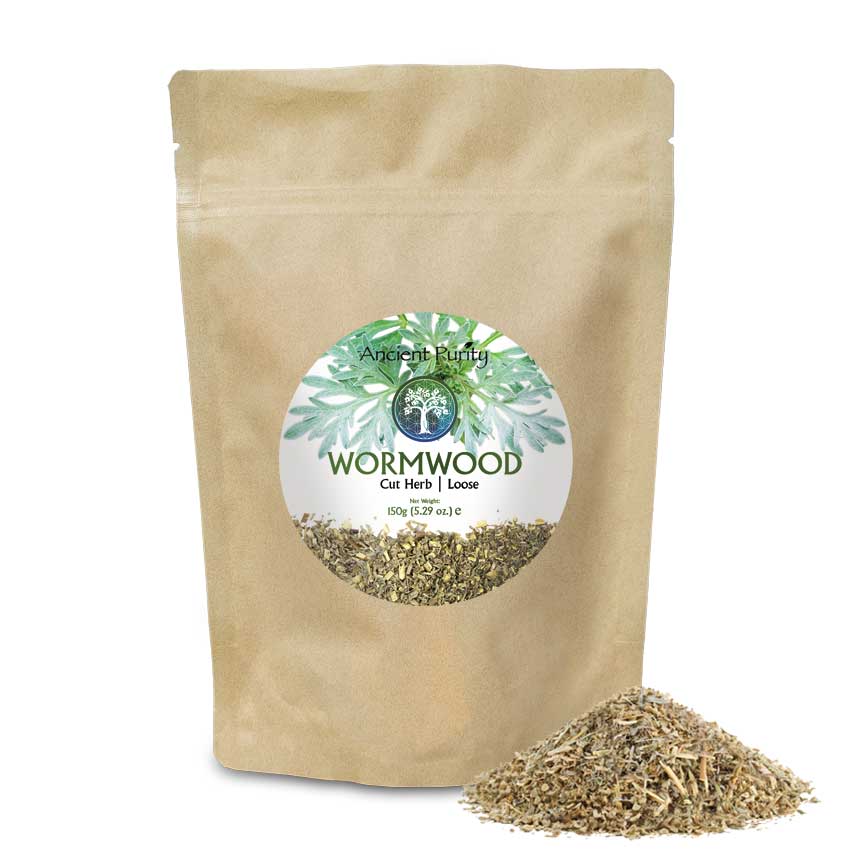
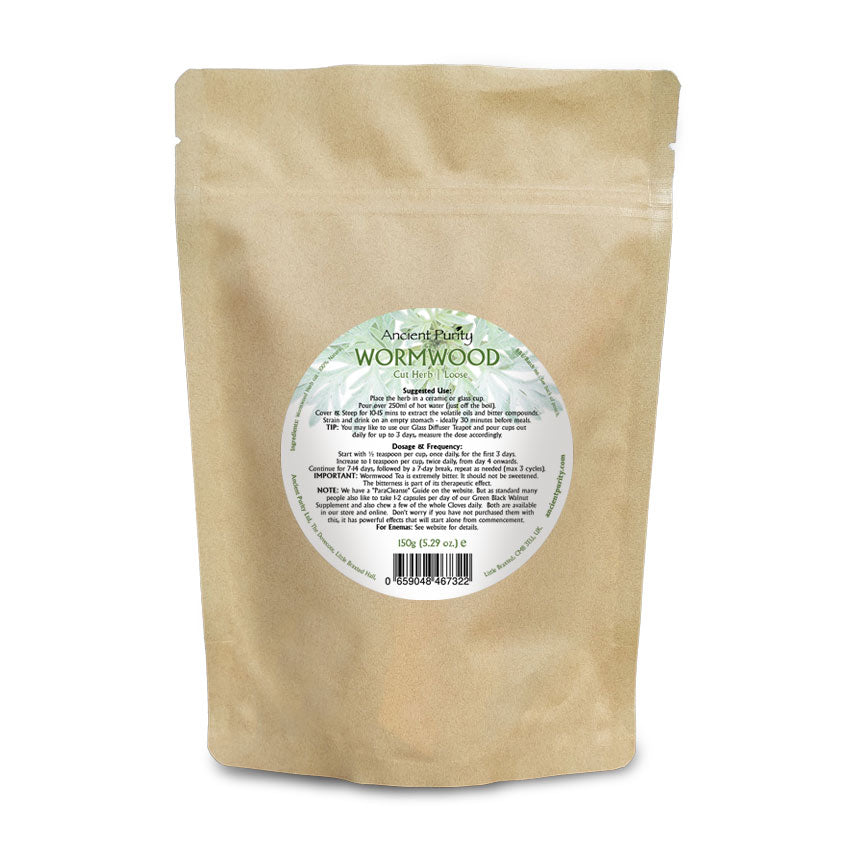
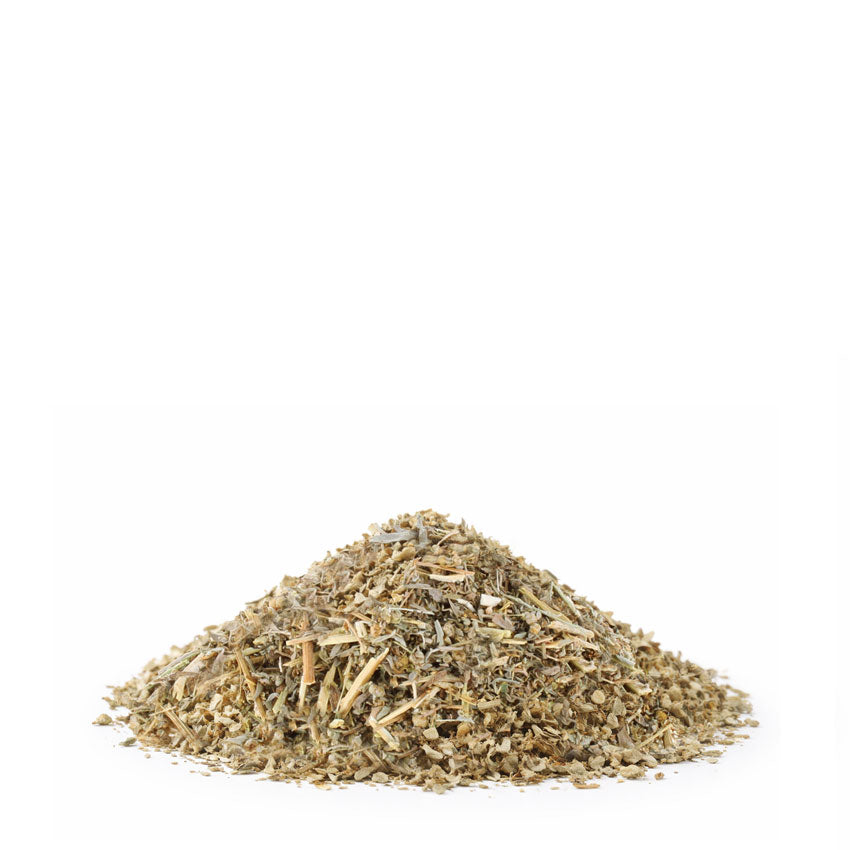
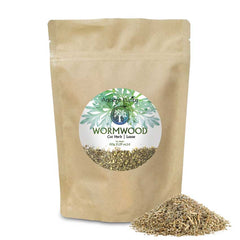
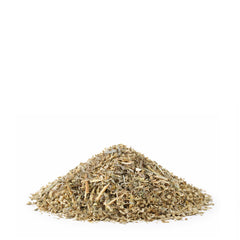
Ancient Purity Wormwood - Whole Herb - Tea | Digestive Cleansing, Parasite Defence & Bitter Tonic Support | USA Origin
Wormwood has a long and uncompromising history in traditional herbal medicine. Its very name reflects its original purpose, supporting the body in clearing intestinal parasites and restoring digestive integrity. Across European, Middle Eastern and early Western herbal traditions, Wormwood was valued not for comfort or flavour, but for results. Its bitter compounds activate innate digestive reflexes, increasing gastric secretions, bile flow and enzymatic activity, all of which contribute to a hostile internal environment for parasites while improving digestive efficiency.
Consumed as a tea, Wormwood works directly where it matters most. The digestive tract. Its phytochemistry has been studied for antimicrobial, antifungal and antioxidant activity, while its bitter profile supports the liver and gallbladder, organs central to detoxification, metabolic balance and fat digestion. This makes Wormwood especially relevant for those experiencing bloating, sluggish digestion, gas or a sense of digestive stagnation.
Unlike modern synthetic approaches, Wormwood does not attempt to override physiology. It signals the body to do what it already knows how to do. Produce bile. Activate digestion. Clear what does not belong. This is why bitter herbs remain foundational tools in traditional systems of healing. Ancient Purity Wormwood is offered as a loose herb tea because this is the most balanced and sustainable way to work with such a powerful plant. Tea allows for gentle, controlled extraction of bitter compounds without forcing high, isolated doses. It is suitable for longer term use when respected, making it ideal for those engaging in fasting, digestive resets, parasite protocols or biofilm focused approaches.
This is not a recreational tea. It is not designed for flavour or indulgence. The bitterness is the message. It tells the nervous system, liver and digestive tract that it is time to activate, cleanse and restore. Wormwood is not meant to be masked. It is meant to be understood.
Q: Whats in Wormwood?
A: It contains a host of bioactive compounds, including thujone, absinthin, and various flavonoids, all of which contribute to its medicinal activity.
Q: Are these bioactive compounds effective against parasites?
A: These compounds interfere with the life cycle of parasitic organisms by disrupting their nervous systems and metabolic functions.
Q: What kind of parasites?
A: It supports the expulsion of roundworms, pinworms, flukes, and even protozoa such as giardia.
Q: Is Wormwood safe to use as a tea?
A: When used respectfully and in traditional tea form, Wormwood has a long history of safe use. Tea provides a gentler delivery than extracts or essential oils, allowing the body to respond without overwhelming the nervous system. It is best used in cycles rather than continuously.
Q: How should Wormwood tea be prepared?
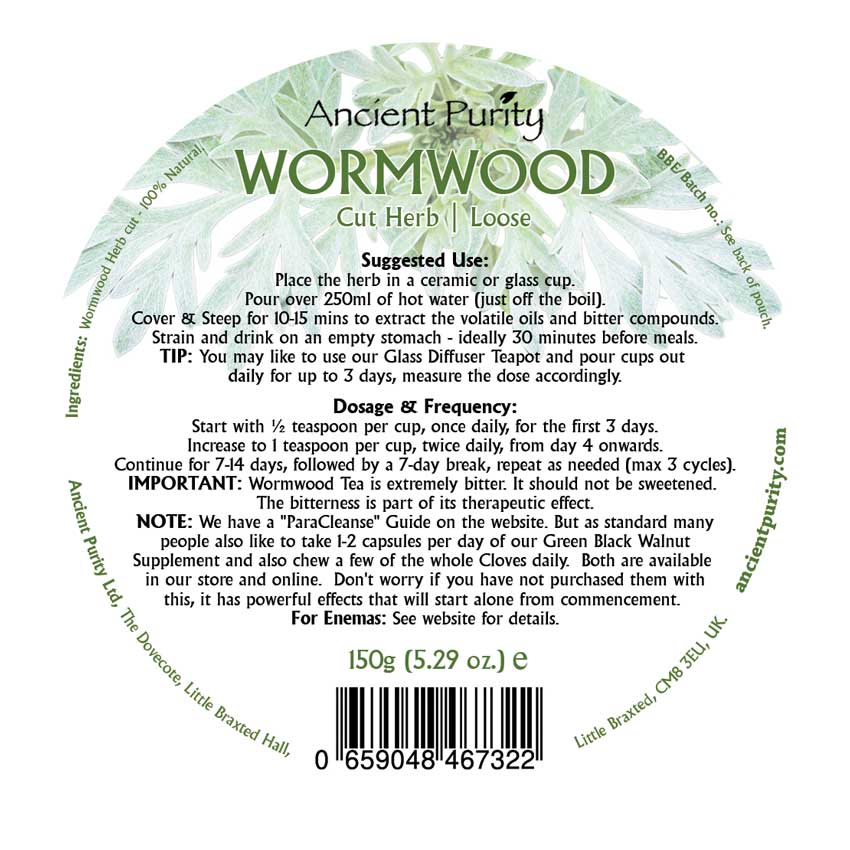
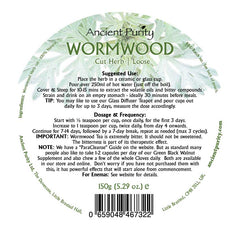
A: Use a small amount of loose herb infused in hot water rather than aggressively boiled. This extracts the bitter compounds without excessive intensity. Many people prefer short infusions due to its strength.
Q: How long should I use Wormwood for?
A: Wormwood is traditionally used short term in focused protocols rather than year round daily use. Many herbalists recommend periods of use followed by breaks to allow the body to rebalance.
Q: Why is bitterness important in Wormwood?
A: Bitterness is not a flavour choice. It is a physiological signal. Bitter herbs activate digestive reflexes, increase bile flow and stimulate detox pathways. The stronger the bitterness, the stronger the digestive and liver response.
Q: Can Wormwood support digestion even without parasites?
A: Yes. Wormwood’s bitter compounds stimulate stomach acid, bile production and pancreatic enzymes, making it valuable for sluggish digestion, bloating and poor fat digestion even when parasites are not present.
Q: Does Wormwood support liver health?
A: Wormwood has traditionally been used to support the liver and gallbladder by increasing bile flow. This supports detoxification, fat metabolism and waste elimination through the digestive tract.
Q: Is Wormwood antimicrobial?
A: Wormwood has demonstrated antimicrobial and antifungal properties in both traditional use and modern research. This contributes to its ability to rebalance the gut environment.
Q: Can Wormwood help with bloating and gas?
A: By stimulating digestive secretions and discouraging microbial overgrowth, Wormwood may help reduce fermentation in the gut, easing bloating and excessive gas.
Q: Why choose loose cut Wormwood instead of capsules?
A: Loose herb allows the full spectrum of plant compounds to work together as nature intended. Tea also allows dosage control and avoids forcing concentrated compounds into the system.
Q: Does Wormwood affect appetite?
A: Traditionally, bitter herbs like Wormwood were used to awaken appetite by stimulating digestive readiness. This can be helpful for those with poor appetite or digestive stagnation.
Q: Can Wormwood be used during fasting?
A: Wormwood tea has been traditionally used during fasting protocols to keep digestion responsive, support bile flow and reduce parasitic or microbial stress while food intake is reduced.
Q: Is Wormwood suitable for long term daily use?
A: Wormwood is best respected as a powerful herb used cyclically. Continuous long term daily use is not traditionally recommended without breaks.
Q: Why has Wormwood been used across so many cultures?
A: Its effects are direct, noticeable and systemic. Cultures valued Wormwood because it worked quickly on digestion, parasites and internal cleansing without reliance on synthetic medicine.
Q: Is the bitterness supposed to be unpleasant?
A: Yes. Bitter taste receptors are directly connected to digestive and liver responses. The discomfort is part of the signalling mechanism, not a flaw in the herb.
Q: Can Wormwood support the gut liver axis?
A: Yes. By enhancing bile flow and digestive secretions, Wormwood supports communication between the gut and liver, which is central to detoxification and metabolic health.
Q: Why is Wormwood often combined with other antiparasitic herbs?
A: Traditionally, Wormwood was part of broader protocols to address different life stages of parasites. Each herb targets different mechanisms, creating a more comprehensive approach.
Q: Is Wormwood the same as absinthe?
A: Wormwood is the plant used historically in absinthe, but Wormwood tea is non alcoholic and used for medicinal purposes rather than stimulation or intoxication.
Q: Does Wormwood contain antioxidants?
A: Yes. Wormwood contains flavonoids and other antioxidant compounds that help reduce oxidative stress during detoxification and microbial clearing.
Q: Why do herbalists still use Wormwood today?
A: Because despite modern advances, digestive stagnation and parasitic stress remain common. Wormwood continues to offer a simple, effective and time tested solution.
Q: What exactly is Wormwood? Aren’t there many Wormwoods, what are they, and which one is this?
A: Yes, there are many plants commonly referred to as “Wormwood”, but they are not all the same and they are not interchangeable. Wormwood is a broad name used for several species within the Artemisia genus, a large family of bitter, aromatic herbs traditionally used for digestion, cleansing, and microbial balance.
The most well known Wormwoods include Artemisia absinthium, Artemisia annua (Sweet Wormwood), Artemisia vulgaris (Mugwort), and Artemisia dracunculus (Tarragon). Each species has a distinct phytochemical profile and traditional use. For example, Artemisia annua is primarily associated with artemisinin and immune support, while Mugwort is more commonly used for nervous system and menstrual applications.
The Wormwood offered here is Artemisia absinthium, often referred to as “true” or “classic” Wormwood. This is the historically documented species used in European and traditional Western herbalism for digestive stimulation, parasite cleansing, bile flow support, and systemic detoxification. It is defined by its intense bitterness, high absinthin content, and characteristic aromatic compounds, including thujone in naturally occurring amounts.
This specific species is chosen for its lineage, potency, and clarity of purpose. It is not a generic Wormwood blend or substitute. It is whole herb Artemisia absinthium, selected for those who understand that bitterness is not a flaw but a biological signal, and that precision matters when working with powerful traditional plants.
Q: What does Wormwood work best with?
A: Wormwood has traditionally been used as part of a broader botanical protocol rather than in isolation. When combined with complementary herbs and substances, its effectiveness is amplified by targeting multiple stages of parasitic and microbial life cycles.
Ancient Purity Wormwood + Ancient Purity Cloves Whole
Cloves are traditionally paired with Wormwood because they address a different biological target. While Wormwood helps weaken and expel active organisms, Cloves are valued for their ability to affect eggs and microbial residues through their high eugenol content. Chewing whole Cloves supports the oral and gastrointestinal environment, helping reduce reinfestation while providing antimicrobial and antioxidant protection.
Ancient Purity Wormwood + Ancient Purity Green Black Walnut
Green Black Walnut has long been used in traditional cleansing protocols for its strong astringent and tannin rich profile. It supports intestinal cleansing by creating an environment that is unfavourable for parasites and unwanted microbes. When used alongside Wormwood, it complements its bitter digestive stimulation by helping physically clear the intestinal terrain and support elimination.
Ancient Purity Wormwood + Ancient Purity Turpentine
In traditional folk and historical cleansing practices, Turpentine was used in highly controlled, minute amounts for its ability to penetrate biofilms and disrupt microbial strongholds. When paired with Wormwood, it is believed to enhance deep cleansing by reaching areas that herbs alone may not fully access. This combination is typically reserved for experienced users following structured protocols.
Together, these Ancient Purity products form a time honoured, multi layer approach that supports digestive readiness, microbial balance, and systemic cleansing without reliance on synthetic interventions.
NOTE: Don't try to sweeten or improve the Tea, the bitter taste is the power.
Produced to ecological standards, free from agro-chemicals, non-irradiated and GMO-free.
Thanks for subscribing!
This email has been registered!