Couldn't load pickup availability
Q: Can you tell me how to make Wild Cherry Bark tea?
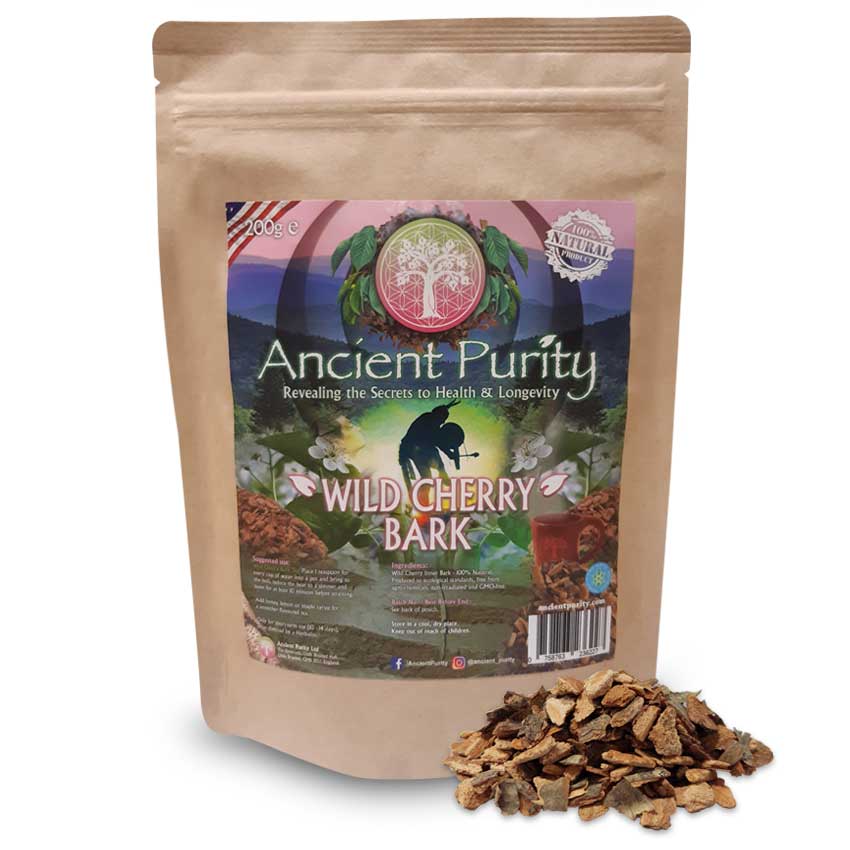
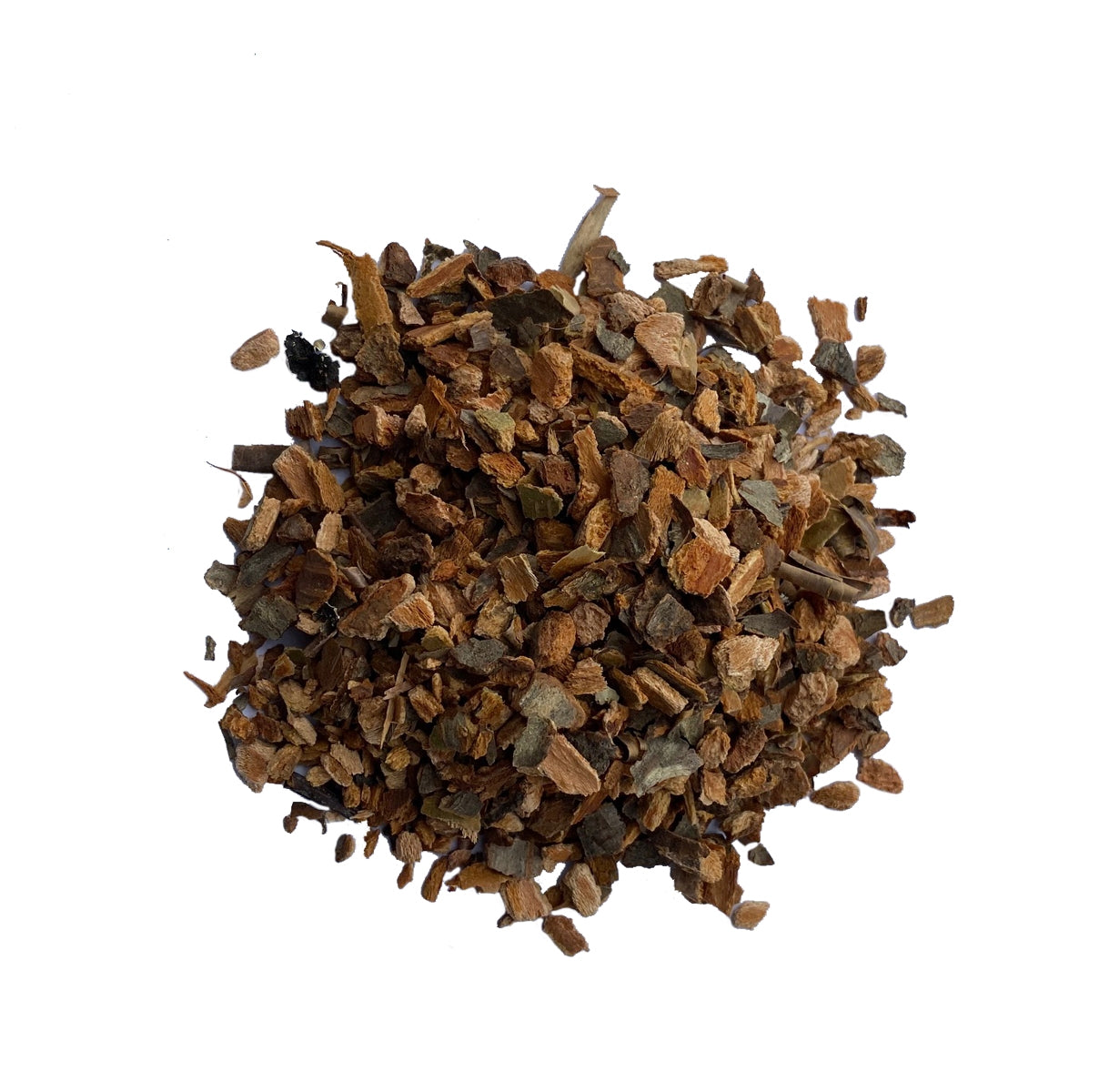
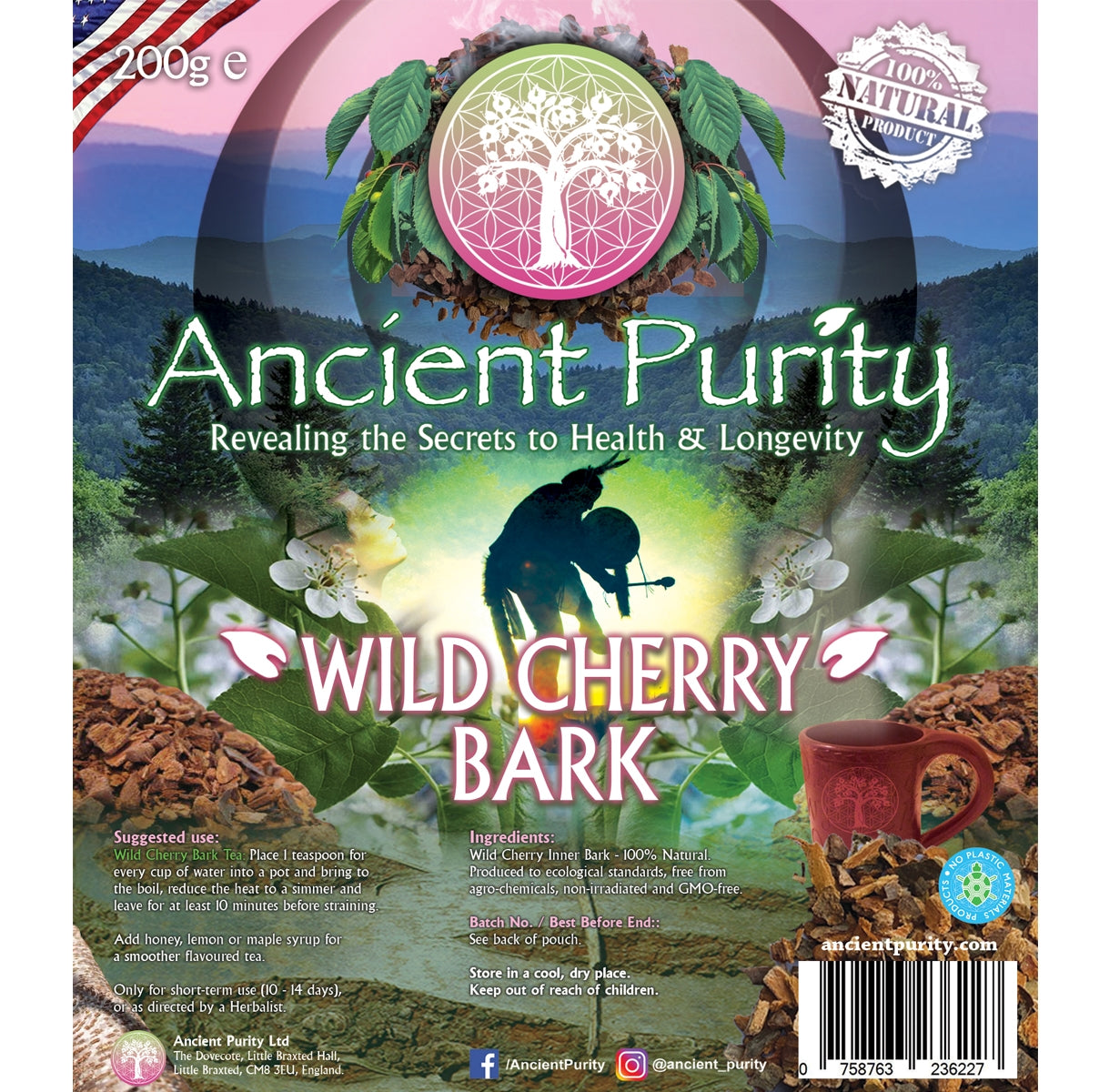
A: Grind the dried Wild Cherry Bark coarsely. Add 1 teaspoon to a tea ball and steep in just filtered boiled water, covered for 10 minutes. Sweeten to taste. Drink 1 cup to quell an irritating cough up to 3 times daily. Cherry Bark Tea should be used only for short-term treatment. (10-14 days).
Q: Where does Wild Cherry Bark come from?
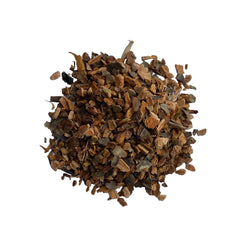
A: It is native to eastern North America, Prunus serotina has small, dark fruits that are often used as food as well as making jams and liqueurs. The tree's brown-reddish bark has traditionally been used for its wellness-promoting qualities.
Q: What is Wild Cherry Bark traditionally used for?
A: For centuries, Native American and European herbalists valued Wild Cherry Bark as a soothing remedy for the lungs and throat. It was often brewed into teas or tinctures to ease persistent coughs, calm irritation, and support clear breathing. Its long history of safe use makes it one of the most respected botanicals in Western herbal medicine.
Q: What makes Wild Cherry Bark effective?
A: The bark contains naturally occurring compounds such as cyanogenic glycosides, tannins, and flavonoids. These work together to gently relax the respiratory system, soothe the throat, and reduce spasms in the airways. Unlike harsh synthetic syrups, Wild Cherry Bark supports the body’s own natural recovery processes.
Q: How does Wild Cherry Bark compare to modern cough syrups?
A: Many commercial syrups are based on the same soothing principles but often contain artificial sweeteners, colours, and alcohol. Wild Cherry Bark in its loose, whole form delivers the pure botanical directly, allowing you to prepare it traditionally as a tea, infusion, or tincture without additives.
Q: Can Wild Cherry Bark only be used for the lungs?
A: No. While its reputation is strongest for supporting the respiratory system, it also has gentle astringent and calming properties that make it useful for digestion, easing tension, and even skin care preparations. Herbalists often see it as a “multipurpose bark” that benefits several systems.
Q: Is Wild Cherry Bark safe for long-term use?
A: Taken in sensible, traditional amounts as a tea or infusion, Wild Cherry Bark has an excellent safety record. Because it contains cyanogenic compounds, very high or concentrated doses should be avoided, but at normal herbal levels it is regarded as safe and effective, even for regular seasonal use.
Q: Why is loose bark better than capsules or extracts?
A: Loose Wild Cherry Bark allows you to control both the preparation and the strength. Brewing it yourself preserves the volatile compounds that may be lost in factory processing. It also connects you more directly to the plant, the traditional way it was always used — giving you a more authentic and potent experience.
Q: How do I prepare Wild Cherry Bark for best results?
A: The most common method is a gentle decoction: simmering the bark in water for 10–15 minutes, then straining and drinking. This slow extraction draws out the beneficial compounds without degrading them. Some prefer to steep it overnight as a cold infusion for a smoother taste.
Q: Does Wild Cherry Bark taste pleasant?
A: Yes, it has a naturally mild, slightly sweet and almond-like flavour, which makes it easier to drink than many medicinal herbs. This is why it has long been used as a natural flavouring in tonics, syrups, and even confectionery.
Q: Can Wild Cherry Bark be combined with other herbs?
A: Absolutely. It pairs especially well with expectorant and soothing herbs like licorice root, mullein, thyme, or marshmallow root for a broader respiratory tonic. For a calming blend, it can be combined with chamomile or lemon balm.
WARNING: Do not take if pregnant or breastfeeding. Contact your healthcare practitioner before taking Wild Cherry Bark if you are taking any prescription medications.
NOTE: Wild Cherry Bark is used to make medicine. Wild Cherry is used for colds, whooping cough, bronchitis and other lung problems; diarrhoea; gout; digestive disorders; and aches pain. It is also used in cough syrups because of its sedative, expectorant, drying, and cough-suppressing effects. Be sure to follow relevant directions on product labels and consult your pharmacist or physician or other healthcare professional before using
Produced to ecological standards, free from agro-chemicals, non-irradiated and GMO-free.
Thanks for subscribing!
This email has been registered!