Couldn't load pickup availability
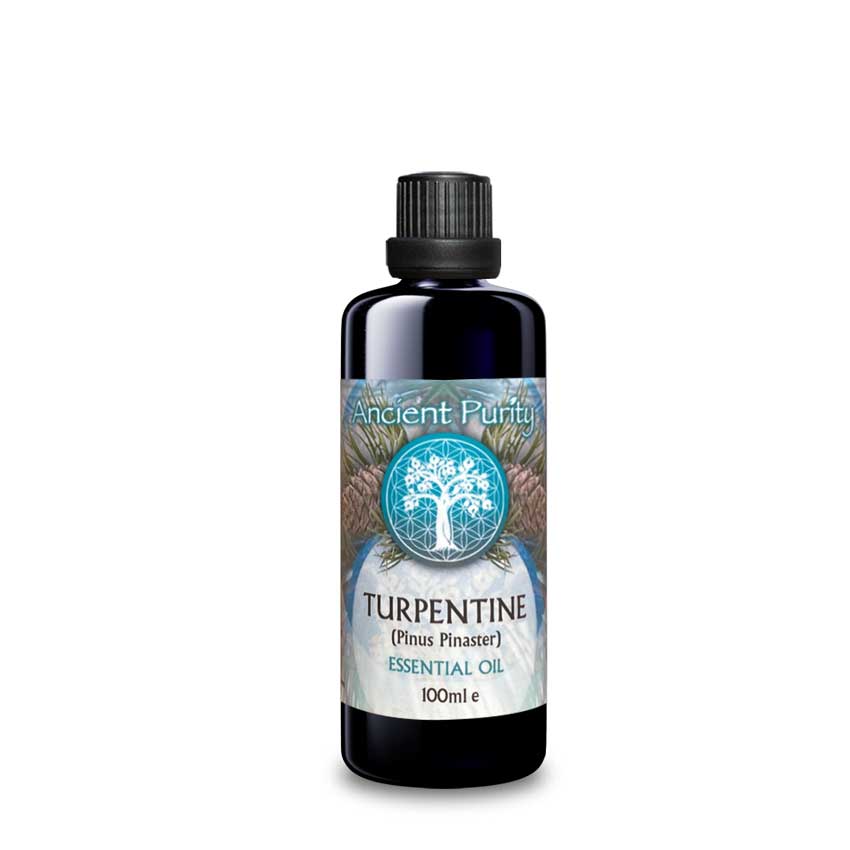
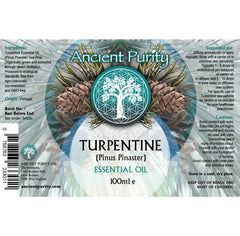
Ancient Purity Turpentine Essential Oil - The Medicine of Folklore | Pure Pine Resin from Portugal
Turpentine Essential Oil has been respected for generations as a practical, no-nonsense pine resin oil. Its warming and penetrating nature makes it useful for everyday muscle aches, circulation support, and clearing applications when diluted correctly. The fresh, evergreen aroma delivers an immediate sense of clarity and openness, making it particularly valued during cold seasons or after physical exertion. Ultimately Turpentine removes unwanted guests and does it powerfully. That is the main reason most of our friends here choose Turpentine.
This essential oil carries a distinctive balsamic pine profile, functioning as a top to middle note in aromatherapy blends. It pairs well with citrus oils such as grapefruit, neroli, and sweet orange, while also blending naturally with tree oils including eucalyptus, tea tree, and cypress. When combined with softer floral oils like lavender or frangipani, it adds structure, sharpness, and balance to blends.
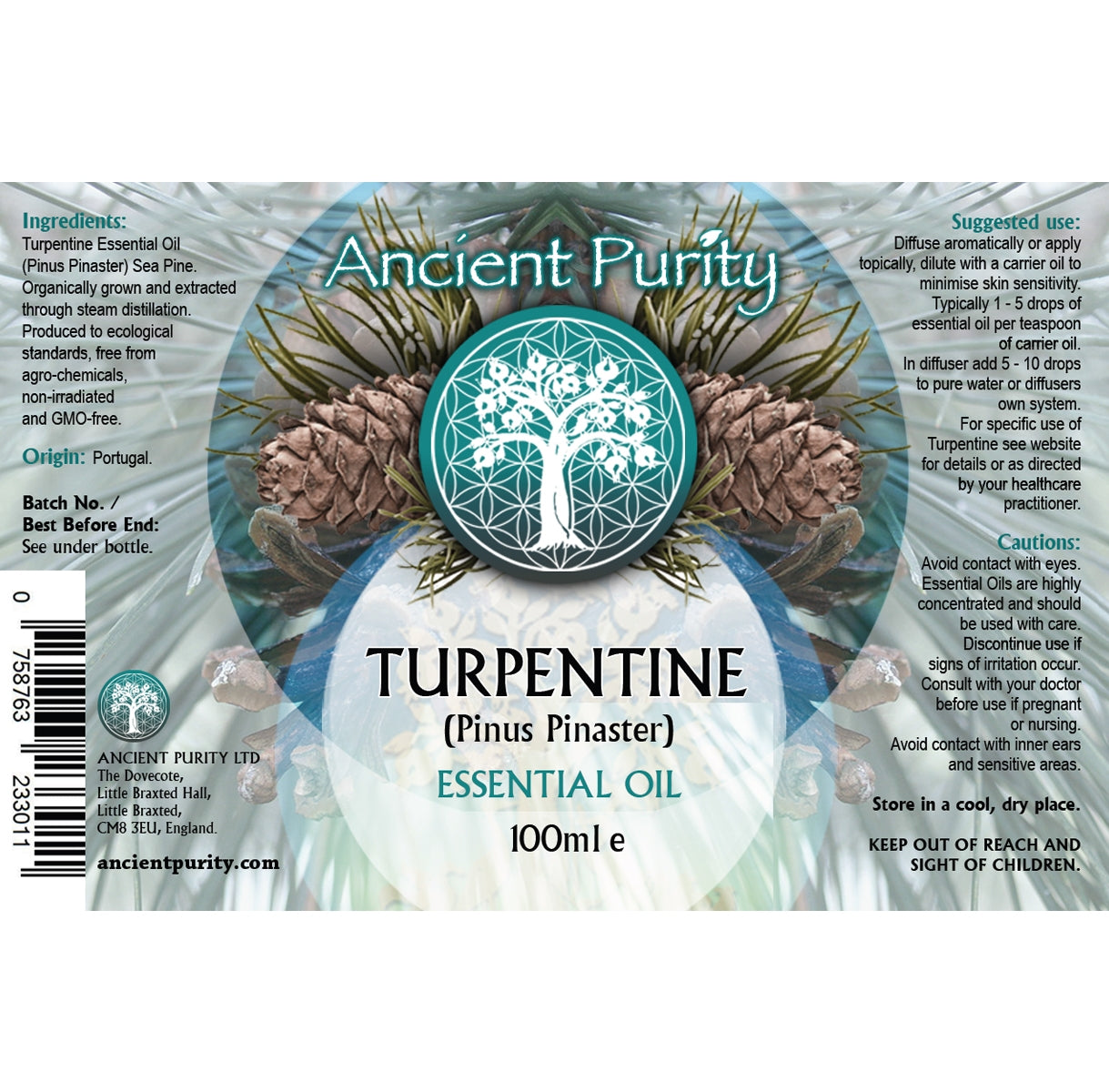
Ancient Purity Turpentine Essential Oil is produced with respect for both tradition and safety. Distilled in Portugal from pine resin rather than synthetic sources, it remains true to its botanical origin. This oil is potent and should be used with care, whether for foot baths, aromatic diffusion, or diluted topical use. Stored in Miron dark violet glass, it is protected from light degradation, ensuring long-term purity and effectiveness.
Q: After reading your page I still wonder what is Turpentine Oil’s best health benefit?
A: Turpentine has been reported to be most useful for its anti-parasitic effects. It has been used in the treatment of myiasis (infection of a fly larva in human tissue). Specifically, it is useful in helping to remove the larvae in cases of myiasis. Obviously, depending on their own experiences with the oil, people will mention different ‘best health benefits’.
Q: What exactly is Turpentine Essential Oil made from?
A: True Turpentine Essential Oil is distilled from the resin of pine trees, not from wood pulp or synthetic petroleum derivatives. Ancient Purity Turpentine Oil is steam distilled from pine resin of Pinus pinaster, producing a clean, resin-rich oil with a long history of traditional use.
Q: Is this Turpentine Essential Oil the same as industrial turpentine or paint thinner?
A: No. Industrial turpentine and paint thinners are often chemically altered, highly refined, or petroleum-derived. Essential Oil of Turpentine is a botanical distillate from pine resin. They are not interchangeable and should never be confused. Only properly distilled essential oil is suitable for aromatherapy or traditional external use.
Q: Why has Turpentine been used historically in natural medicine?
A: Pine resin oils have been used for centuries for their antiseptic, warming, clearing, and protective properties. Historically, turpentine was valued for respiratory support, wound cleansing, muscle comfort, and protection against environmental exposure, long before modern pharmaceuticals existed.
Q: Are there benefits from Turpentine Oil for feet?
A: Yes one of its uses is as a Cold Foot Soak. Walking or standing for long periods of time might make you feel exhausted and experience aches on your feet. When you feel tired and have pain on your feet and legs due to walking and standing for hours all day long, you should add 2 teaspoons of Turpentine Oil to COLD water and next soak your feet in it. Cold water can reduce the inflammatory chemical mediators and aids constrict your blood vessels so that the inflammation and swelling in the muscles are reduced. It might also reduce the inconvenience of fungal skin infections (Athlete’s Foot).
Q: Can I use Turpentine Oil for Chest Congestion?
A: Yes, bring a bowl of clean water to a quick boil and remove from heat. You should add in about 4 to 5 drops of Turpentine Oil and use a towel to cover your head. Lean around 6 inches above the bowl and breathe deeply and as gently as you can for about 5 minutes as the fragrance helps open your airways. However, although safe for most, people with lung issues should talk to their healthcare practitioner first.
Q: What does Turpentine Oil smell like and why does that matter?
A: It has a sharp, fresh, evergreen aroma with balsamic undertones. This scent profile is associated with respiratory opening, mental clarity, and a feeling of outdoor freshness. Aromatic compounds play a direct role in how essential oils influence the nervous system and airways.
Q: Can Turpentine Oil be used for muscle aches and joint discomfort?
A: Yes. When properly diluted, Turpentine Oil is traditionally used for its warming and penetrating qualities, making it useful for tired muscles, stiffness, and post-exertion discomfort. It is often blended with carrier oils or magnesium-based products for topical application.
Q: Is Turpentine Oil useful for skin applications?
A: In diluted form, it has been traditionally used for cleansing and protective skin applications. Because it is potent, it should always be diluted and patch tested. Many people use it in foot soaks or blended into balms rather than direct skin application.
Q: Can Turpentine Oil help with fungal or microbial issues?
A: Turpentine has long been recognised for its antiseptic and antimicrobial properties. This is one reason it has been traditionally used in foot soaks and cleansing applications. It should not replace medical treatment where needed, but it has a strong historical record of use.
Q: Is Turpentine Oil safe to diffuse?
A: Yes, in small amounts. Diffusing Turpentine Oil can help freshen indoor air and support respiratory clarity. Use fewer drops than softer essential oils due to its strength, and ensure good ventilation.
Q: Can Turpentine Oil be blended with other essential oils?
A: Yes. It blends especially well with citrus oils such as grapefruit, sweet orange, and neroli, as well as tree oils like eucalyptus, cypress, and tea tree. Lavender is often added to soften and balance its intensity.
Q: Why do some people associate Turpentine with parasite cleansing?
A: Historically, turpentine was used externally and in other traditional contexts for its strong antimicrobial and insect-repelling properties. Modern interest has revived discussion around these historical uses, but approaches and safety considerations vary widely and should be researched carefully.
Q: Why is Miron dark violet glass important for this oil?
A: Essential oils degrade when exposed to light. Miron glass filters harmful wavelengths while allowing beneficial ones, preserving aromatic compounds, stability, and potency over time. This is especially important for resin-based oils like turpentine.
Q: Why is Pinus pinaster important compared to other pine species?
A: Pinus pinaster produces a resin rich in terpene compounds traditionally associated with cleansing, warming, and protective effects. Not all pine species yield the same resin profile. Using a clearly identified botanical source ensures consistency, traceability, and predictable aromatic and functional characteristics.
Q: How strong is Turpentine Essential Oil compared to other essential oils?
A: Turpentine is considered a strong, penetrating essential oil. It requires lower doses than many floral or citrus oils and should always be used with care. Its strength is part of why it has been valued historically, but also why respect and proper dilution matter.
Q: Can Turpentine Oil support outdoor or travel use?
A: Yes. Due to its crisp pine aroma and traditional cleansing reputation, many people carry Turpentine Oil for outdoor activities, travel, or time spent in unfamiliar environments. It has historically been used to support comfort and resilience when away from home.
Q: Does Turpentine Oil have warming or cooling properties?
A: Turpentine Oil is considered warming and stimulating. This makes it useful for circulation support, muscle comfort, and clearing applications, particularly when the body feels cold, sluggish, or congested.
Q: Why do pine resin oils feel “clearing” when inhaled?
A: Pine resin oils contain volatile aromatic compounds that stimulate airflow perception and neurological alertness. This creates a sensation of openness in the chest and sinuses and contributes to mental clarity.
Q: Can Turpentine Oil be used in baths or foot soaks regularly?
A: Many people use it occasionally rather than daily due to its potency. Foot soaks are preferred over full baths as they allow controlled exposure while still benefiting from aroma and absorption through the feet.
Q: How does Turpentine Oil compare to Eucalyptus Oil?
A: Both are tree-derived and clearing, but turpentine is more resinous and warming, while eucalyptus is sharper and more mentholated. Turpentine is often used for deeper, grounding applications, whereas eucalyptus is commonly used for acute respiratory freshness.
Q: Does the oil evaporate quickly or linger?
A: Turpentine Essential Oil has moderate volatility. It opens sharply and then settles into a balsamic pine note. This makes it effective both as a top note for immediate impact and a middle note for sustained presence.
Q: Is this oil suitable for traditional or ancestral practices?
A: Yes. Pine resin oils were widely used in traditional European, forest-based, and maritime cultures for cleansing, preservation, and physical support. This oil reflects those older practices rather than modern perfumery.
Q: Why is this oil described as needing “respect”?
A: Because it is concentrated, active, and not diluted. Respect means proper dosing, correct dilution, mindful use, and understanding that potency is a feature, not a flaw.
Q: How long does a bottle typically last?
A: Due to its strength, only small amounts are needed. A single bottle can last many months when used properly for diffusion, foot soaks, or diluted blends.
Q: Can this oil be used in household or air-clearing applications?
A: Traditionally, pine oils have been used to freshen indoor air and create a clean, forest-like environment. Small amounts can be diffused or added to natural cleaning routines for aromatic freshness.
Q: Why is this product increasingly searched for today?
A: Interest has grown as people revisit traditional remedies, essential oils, and non-synthetic approaches to health, comfort, and resilience. Turpentine has re-emerged as part of this broader return to older, practical tools.
Q: Who should avoid or be cautious with Turpentine Essential Oil?
A: Pregnant or breastfeeding women, young children, and individuals with respiratory sensitivity or chronic lung conditions should consult a qualified practitioner before use. This oil is powerful and should always be respected.
Q: Is Turpentine Essential Oil meant for internal use?
A: This product is sold as an essential oil for aromatic and external traditional use. Internal use of turpentine is a specialised topic with significant safety considerations and is not recommended without professional guidance.
Q: What does Turpentine Essential Oil work best with?
A: Turpentine Essential Oil is often used in combination with other natural parasite-support and cleansing products to create a layered, intelligent system. It works synergistically with Wormwood Tea, Clove, Green Black Walnut, Black Seed Oil, and Diatomaceous Earth. Each has a distinct mechanism: Turpentine is traditionally antiseptic and resinous, helping to create an internal environment less hospitable to parasites. Wormwood Tea contains bitter compounds that support digestive cleansing, while Clove contributes antimicrobial phenols. Green Black Walnut delivers tannins and juglone for targeted parasite support, and Black Seed Oil complements with broad-spectrum antimicrobial and immunomodulatory effects. Diatomaceous Earth acts mechanically, gently sweeping the digestive tract and supporting elimination of unwanted organisms and residues.
You do not need to take all of these together at once; careful, staggered use often improves tolerance and effectiveness. When combined thoughtfully, Turpentine Essential Oil and these herbal or mineral allies form a layered approach: Turpentine primes and clears, the herbs act biochemically, and Diatomaceous Earth provides physical support. This synergy supports gut health, digestive function, and overall resilience while remaining compatible with broader wellness routines, making it a foundational component in a traditional, intelligent cleansing protocol.
The appropriate dose of essential turpentine oil depends on several factors such as the user's age, health, and several other conditions. At this time there is not enough scientific information to determine an appropriate range of doses for turpentine oil. Keep in mind that natural products are not always necessarily safe and dosages can be important. Be sure to follow relevant directions on product labels and consult your pharmacist or physician or other healthcare professional before using.
Dosages of Turpentine range from a drop to a teaspoon depending upon what you are trying to do. Always start with less, increase slowly, and monitor your own personal response to it.
If you want to take consecutive Turpentine doses for a particular problem then you could take Turpentine for 5 days and then have 2 days off and do it like this for about 6 weeks only. This protocol will help to get rid of most unwanted things from your body.
It is best to start with drop dosages of your choice or start with 1/4 teaspoon and slowly work up to the full 1 teaspoon dose. Take just before meals. Start taking it just twice a week then work towards taking it on a one day on, one day off protocol.
Take plenty of breaks from this protocol because this regimen kills a large range of pathogens including parasites, candida, bacteria, viruses, mycoplasma etc...Adjust the dosage accordingly to reduce the stress."
Many recommend taking it with some sugar...
Thanks for subscribing!
This email has been registered!