Currency
Currency


Couldn't load pickup availability
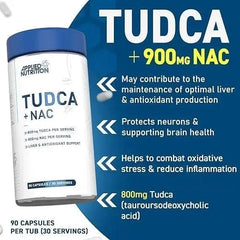
TUDCA + NAC | Advanced Liver Support, Glutathione Production, Bile Acid Metabolism & Cellular Protection
TUDCA and NAC represent two fascinating areas of modern nutritional biochemistry, bringing together the science of bile acid metabolism, intracellular antioxidant defence and the body's response to cellular stress. TUDCA, or Tauroursodeoxycholic Acid, is a taurine-conjugated form of ursodeoxycholic acid, a naturally occurring bile acid found in small quantities within the human body. Bile acids are essential for the digestion and absorption of dietary fats and fat-soluble vitamins, but their biological significance extends well beyond digestion. They also participate in complex signalling pathways involved in metabolic regulation, cellular communication and liver physiology. TUDCA has attracted particular attention because of its relatively hydrophilic properties and its behaviour in experimental models of cellular stress. Researchers have investigated its influence on endoplasmic reticulum stress, mitochondrial function and pathways involved in programmed cell death. The endoplasmic reticulum, often abbreviated to ER, is responsible for important processes including protein folding, lipid synthesis and intracellular calcium regulation. When proteins fail to fold correctly or cellular demands exceed the ER's processing capacity, a response known as the unfolded protein response is activated. This is initially a protective mechanism, but persistent ER stress can disrupt normal cellular function. In experimental research, TUDCA has demonstrated properties associated with reducing certain markers of ER stress and supporting protein-folding environments, leading to its classification as a chemical chaperone in specific research contexts. Nevertheless, its relationship with bile acid physiology and cellular stress pathways makes TUDCA an intriguing compound for those interested in understanding the biochemical mechanisms that influence liver health and cellular resilience.
NAC, or N-Acetyl-L-Cysteine, complements this formulation through a different but equally important biochemical pathway: the synthesis and maintenance of Glutathione. Glutathione is a tripeptide composed of glutamate, cysteine and glycine, and is present throughout the body, particularly within metabolically active tissues such as the liver. It plays a central role in antioxidant defence, cellular redox regulation and the activity of Glutathione-dependent enzymes. Cysteine availability can be a limiting factor in Glutathione synthesis, making NAC an important source of this sulphur-containing amino acid. After absorption and metabolism, NAC can contribute cysteine for the production of Glutathione, helping support the biochemical systems involved in maintaining cellular redox balance. This relationship is particularly relevant to the liver, which performs numerous metabolic functions involving the processing of nutrients, endogenous compounds and substances entering the body. Glutathione participates in reactions catalysed by Glutathione S-transferases, contributes to the reduction of peroxides through Glutathione peroxidase and works alongside Glutathione reductase to maintain the balance between reduced and oxidised Glutathione. These systems help cells manage reactive oxygen species generated during normal metabolism. NAC has also been investigated for its effects on inflammatory signalling, mitochondrial oxidative stress and cellular antioxidant capacity. Its established medical use in specific circumstances, including the treatment of paracetamol poisoning under medical supervision, demonstrates the clinical importance of its biochemical properties.
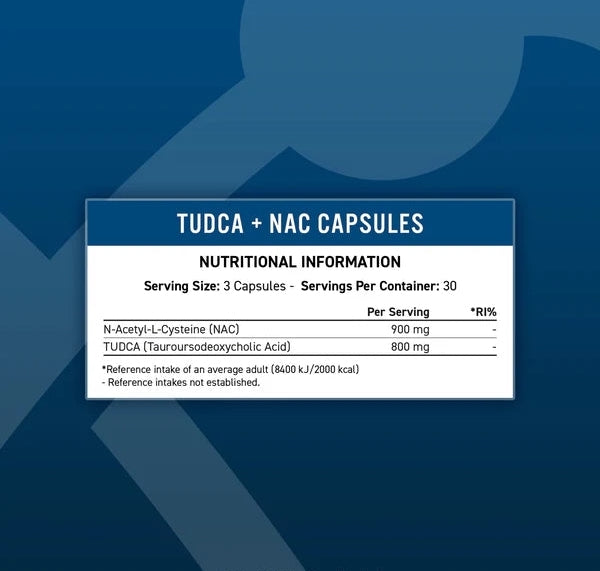
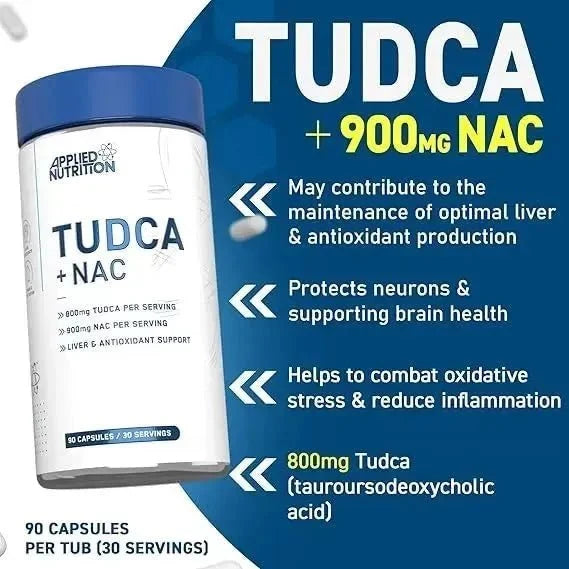
The combination of TUDCA and NAC brings together two distinct but potentially complementary areas of cellular biology: the management of protein-folding stress and the maintenance of intracellular antioxidant systems. Mitochondria and the endoplasmic reticulum are closely connected through specialised contact regions that help coordinate calcium signalling, lipid exchange and cellular responses to metabolic demand. Disruption of these processes can contribute to oxidative stress, altered protein handling and changes in cellular energy regulation. TUDCA has been investigated for its ability to influence ER stress responses and mitochondrial-associated signalling, while NAC provides a precursor for Glutathione synthesis and participates in maintaining the cellular antioxidant environment. This creates an interesting scientific rationale for studying the two compounds together, although clinical evidence demonstrating superior outcomes from their combined use remains limited. The liver is especially relevant to these pathways because of its central role in bile production, nutrient processing, protein synthesis and the metabolism of endogenous and external substances. Healthy liver function depends on coordinated cellular activity, adequate nutritional resources and the effective regulation of metabolic stress. With 800mg of TUDCA and 900mg of NAC per daily serving, this high-strength formula provides substantial quantities of both compounds in a convenient three-capsule serving. Its appeal extends beyond conventional antioxidant supplementation, offering a more sophisticated approach to understanding bile acid signalling, Glutathione production, mitochondrial physiology and the biological systems associated with cellular maintenance. For serious biohackers interested in liver health, longevity research and the science of cellular resilience, TUDCA + NAC brings together two extensively investigated compounds with distinct biochemical functions.
Q: Why combine TUDCA and NAC for advanced liver and cellular health?
A: TUDCA (Tauroursodeoxycholic Acid) and NAC (N-Acetyl-L-Cysteine) act through distinct biochemical pathways. TUDCA is a hydrophilic bile acid studied for its effects on bile acid composition, endoplasmic reticulum stress and cellular signalling. NAC supplies cysteine, a precursor required for Glutathione synthesis. Together, they provide an interesting combination for researchers investigating cellular stress, antioxidant defence and liver physiology.
Q: What makes TUDCA different from conventional liver support ingredients?
A: Unlike many botanical liver supplements, TUDCA is a taurine-conjugated bile acid with direct relevance to bile acid physiology. Bile acids are essential for dietary fat digestion, but they also participate in signalling pathways that influence metabolism and cellular function. TUDCA has been investigated for its relatively hydrophilic properties and potential effects on cellular stress responses. Its scientific interest extends beyond conventional antioxidant activity into protein folding, bile acid regulation and intracellular signalling.
Q: What is endoplasmic reticulum stress, and why is TUDCA being researched for it?
A: The endoplasmic reticulum, or ER, is responsible for protein folding, lipid synthesis and aspects of calcium regulation. ER stress occurs when cellular conditions interfere with the organelle's ability to process proteins correctly. Cells respond through a protective signalling network called the unfolded protein response. Persistent ER stress can contribute to cellular dysfunction. Experimental studies suggest TUDCA can influence certain ER stress pathways, making it an important compound in research involving metabolic disorders, liver physiology and neurodegeneration. Human supplementation outcomes remain less established.
Q: How does TUDCA act as a chemical chaperone inside cells?
A: Chemical chaperones are compounds that can influence the cellular environment in ways that reduce protein misfolding or aggregation under certain experimental conditions. TUDCA has demonstrated chemical chaperone-like properties in laboratory research, including effects on markers associated with ER stress. This has generated interest in conditions where protein handling becomes disrupted.
Q: What is the unfolded protein response, and how does TUDCA interact with it?
A: The unfolded protein response, or UPR, is a cellular signalling system activated when the endoplasmic reticulum experiences excessive protein-folding demand. Three major signalling pathways involve PERK, IRE1 and ATF6. Initially, the UPR helps cells restore normal function by reducing protein synthesis, increasing folding capacity and removing damaged proteins. If stress persists, the response can contribute to inflammation and programmed cell death.
Q: How does NAC support the body's production of Glutathione?
A: Glutathione is a tripeptide composed of glutamate, cysteine and glycine. Cysteine availability can limit Glutathione synthesis, making NAC particularly interesting because it provides a source of this sulphur-containing amino acid. After metabolism, NAC can contribute cysteine for Glutathione production. Glutathione participates in antioxidant defence, cellular redox signalling and enzyme systems involved in processing reactive compounds. NAC's effects depend on individual physiology, dose and existing Glutathione status.
Q: Why is Glutathione considered one of the body's most important intracellular antioxidants?
A: Glutathione is present throughout the body and plays a central role in maintaining cellular redox balance. In its reduced form, GSH, it participates in reactions that neutralise certain peroxides and support antioxidant enzyme activity. It also helps maintain the chemical environment required for normal protein and cellular function. The liver contains substantial Glutathione stores because of its extensive metabolic responsibilities.
Q: What is the GSH-to-GSSG ratio, and why does it interest serious biohackers?
A: GSH is reduced Glutathione, while GSSG is its oxidised form. Their relationship provides information about cellular redox conditions. A shift towards greater oxidation can occur during oxidative stress, although interpretation depends on the tissue, sampling method and clinical context. Researchers use Glutathione-related measurements to investigate oxidative biology and metabolic health.
Q: How do TUDCA and NAC relate to mitochondrial health and cellular energy?
A: Mitochondria generate much of the ATP required for cellular activity and are closely connected to oxidative metabolism. NAC can contribute to Glutathione-dependent antioxidant systems involved in maintaining mitochondrial redox balance. TUDCA has been investigated for effects on mitochondrial membrane integrity and stress-related signalling in experimental models.
Q: What is the connection between TUDCA, mitochondrial membranes and apoptosis?
A: Apoptosis is a regulated form of programmed cell death that helps remove damaged or unnecessary cells. Mitochondria participate in important apoptotic signalling pathways, including the release of proteins that activate cellular dismantling mechanisms. Experimental studies suggest TUDCA can influence certain mitochondrial and apoptosis-related pathways under specific conditions.
Q: Can TUDCA influence bile flow and the metabolism of dietary fats?
A: Bile acids help emulsify dietary fats, allowing digestive enzymes to break them down and supporting the absorption of fat-soluble nutrients. TUDCA belongs to the bile acid family and has been studied in relation to bile composition and hepatobiliary physiology.
Q: How does TUDCA differ from UDCA or Ursodeoxycholic Acid?
A: UDCA is Ursodeoxycholic Acid, a hydrophilic bile acid used medically for certain liver and bile duct conditions. TUDCA is its taurine-conjugated form, produced when UDCA is linked to the amino acid taurine. Their chemical relationship means they share aspects of bile acid biology, but they are not identical compounds. Differences in conjugation can influence transport, metabolism and biological behaviour.
Q: What are FXR and TGR5, and why are bile acid receptors important for metabolic health?
A: FXR, or Farnesoid X Receptor, is a nuclear receptor involved in regulating bile acid synthesis, transport and aspects of lipid and glucose metabolism. TGR5 is a membrane-associated bile acid receptor involved in signalling across several tissues. These receptors demonstrate that bile acids act as metabolic signalling molecules rather than simply digestive detergents. Different bile acids activate these receptors to different degrees.
Q: Can TUDCA influence insulin sensitivity and glucose metabolism?
A: Researchers have investigated TUDCA because ER stress is associated with metabolic dysfunction in certain experimental models. A small human study reported improvements in selected measures of insulin sensitivity after TUDCA administration, generating interest in its metabolic effects.
Q: Does NAC support Phase II liver detoxification pathways?
A: Phase II metabolism includes biochemical reactions that make certain compounds easier for the body to process and eliminate. Glutathione conjugation is one important pathway, involving enzymes called Glutathione S-transferases. Because NAC supplies cysteine for Glutathione synthesis, it can contribute to the nutritional availability of a key component of this system.
Q: How does NAC influence oxidative stress without eliminating beneficial reactive oxygen species?
A: Reactive oxygen species are not exclusively harmful. At controlled concentrations, they function as signalling molecules involved in immunity, exercise adaptation and cellular communication. Excessive oxidative activity can damage proteins, lipids and DNA, but indiscriminate suppression of redox signalling may also interfere with normal physiology. NAC contributes to cysteine availability and Glutathione metabolism, potentially influencing redox balance. Its effects depend on dose and context, making the goal healthy regulation rather than the complete elimination of oxidative processes.
Q: What is the relationship between NAC and the NRF2 antioxidant response pathway?
A: NRF2 is a transcription factor that regulates the expression of numerous genes involved in antioxidant defence, cellular protection and the handling of reactive compounds. Experimental research suggests NAC can influence redox-sensitive signalling pathways, including those associated with NRF2, although the direction and magnitude of effects depend on the model and conditions studied. NAC is not a guaranteed NRF2 activator, and increased activity of an antioxidant pathway does not automatically translate into improved health or longevity.
Q: Can NAC influence inflammatory signalling through NF-kappa B?
A: NF-kappa B is a family of transcription factors involved in immune responses, inflammation and cellular survival. Oxidative conditions can influence aspects of NF-kappa B signalling, and NAC has demonstrated effects on inflammatory pathways in certain laboratory studies.
Q: Why is NAC used medically in cases of paracetamol overdose?
A: In paracetamol overdose, the liver can accumulate a reactive metabolite called NAPQI when normal metabolic pathways become overwhelmed. Glutathione helps neutralise this metabolite, but excessive exposure can deplete Glutathione stores and damage liver cells. NAC is an established medical antidote because it helps restore Glutathione availability and supports other protective mechanisms.
Q: Can TUDCA and NAC protect the liver from alcohol-related damage?
A: Alcohol metabolism can generate oxidative stress, disrupt cellular energy systems and contribute to inflammation and liver injury. NAC and TUDCA have been investigated in experimental contexts relevant to these processes. However, there is insufficient clinical evidence that taking this combination prevents alcohol-related liver damage or makes heavy drinking safer. Reducing alcohol exposure remains one of the most effective ways to protect liver health. Supplements should not be used to compensate for excessive alcohol consumption.
Q: Is TUDCA + NAC useful for people concerned about fatty liver and metabolic health?
A: Metabolic dysfunction-associated steatotic liver disease, or MASLD, involves excess liver fat associated with metabolic risk factors. Oxidative stress, insulin resistance and ER stress are among the mechanisms investigated in its development.
Q: What is the relationship between TUDCA, protein misfolding and neurodegenerative research?
A: Protein misfolding and impaired protein clearance are features of several neurodegenerative disorders. Because TUDCA has demonstrated chemical chaperone-like properties and effects on cellular stress pathways in experimental models, researchers have investigated it in neurological conditions.
Q: Can NAC influence Glutamate regulation and neurological function?
A: NAC has been studied for effects on the cystine-glutamate antiporter, a transport system involved in exchanging extracellular cystine for intracellular glutamate. Through this and other mechanisms, NAC may influence glutamatergic signalling in certain experimental settings. This has prompted research into psychiatric and neurological conditions. However, clinical results vary, and NAC should not be considered a proven cognitive enhancer or treatment for mood disorders. Its established biochemical role as a cysteine source remains the clearest nutritional rationale.
Q: How does TUDCA relate to autophagy and cellular recycling?
A: Autophagy is a regulated cellular process that helps recycle damaged proteins, organelles and other intracellular components. ER stress, mitochondrial function and autophagy are interconnected through complex signalling networks. Experimental studies suggest TUDCA can influence autophagy-related pathways under certain conditions, but its effects are not uniformly stimulatory or inhibitory.
Q: Can TUDCA + NAC support healthy ageing and longevity?
A: Both compounds interact with biological processes that are relevant to ageing research, including oxidative stress, protein homeostasis, mitochondrial function and cellular stress responses. However, involvement in ageing-related pathways is not equivalent to demonstrating increased lifespan or improved healthspan. There are currently no robust human clinical trials showing that TUDCA and NAC, individually or combined, extend lifespan in healthy adults.
Q: How does NAC compare with GlyNAC for increasing Glutathione availability?
A: NAC supplies cysteine, while GlyNAC combines NAC with Glycine, another amino acid required for Glutathione synthesis. Researchers have investigated whether providing both precursors influences Glutathione status, particularly in older adults. Small studies have reported promising findings, but larger trials are needed. NAC alone can contribute cysteine for Glutathione synthesis, while adequate Glycine and Glutamate availability also matter.
Q: Can TUDCA + NAC be combined with Milk Thistle, Alpha-Lipoic Acid or other antioxidant supplements?
A: These compounds act through different biological pathways. Milk Thistle extracts contain silymarin flavonolignans, Alpha-Lipoic Acid participates in mitochondrial enzyme systems and redox biology, NAC provides a Glutathione precursor, and TUDCA is involved in bile acid-related physiology.
Q: Why does the formula contain 800mg TUDCA and 900mg NAC per daily serving?
A: The three-capsule daily serving provides 800mg of TUDCA and 900mg of NAC, totalling 1,700mg of the two active compounds. These are substantial quantities compared with many lower-strength formulations. However, there is no universally established optimal combined dose for general liver health, cellular protection or longevity.
Q: Is it better to take TUDCA + NAC on an empty stomach or with food?
A: Supplement timing depends on formulation, gastrointestinal tolerance and the manufacturer's instructions. NAC can cause nausea or abdominal discomfort in some individuals, and taking it with food may improve tolerability. TUDCA is a bile acid derivative, but there is insufficient evidence that one particular meal-timing strategy produces superior outcomes for healthy adults. Follow the labelled directions unless a healthcare professional advises otherwise.
Q: Are there any important safety considerations with TUDCA and NAC?
A: NAC may cause nausea, diarrhoea or other gastrointestinal symptoms and can interact with certain medicines, including nitroglycerin, potentially increasing headaches or lowering blood pressure. TUDCA may also cause digestive disturbances and requires caution in people with liver, gallbladder or bile duct conditions. Those with suspected biliary obstruction, significant liver disease, pregnancy, breastfeeding or ongoing prescription medication should obtain professional advice before use. Supplements are not substitutes for investigation of abnormal liver tests or persistent symptoms.
Q: Can TUDCA + NAC improve liver enzyme results such as ALT, AST and GGT?
A: ALT, AST and GGT are commonly measured blood markers that can provide information about liver injury or hepatobiliary conditions, although they are not direct measures of liver performance. Certain studies involving bile acid therapies or NAC have examined changes in liver-related biomarkers, but findings depend on the underlying condition and treatment protocol.
Q: Which biomarkers are most useful when evaluating liver and metabolic health?
A: Common clinical measurements include ALT, AST, ALP, GGT, bilirubin and albumin, with additional tests selected according to individual circumstances. Metabolic assessments may include triglycerides, HbA1c, fasting glucose and other cardiovascular risk markers. However, these measurements must be interpreted in context because no single biomarker provides a complete picture of liver health. Q: What is the most intelligent way to evaluate TUDCA + NAC supplementation?
A: Begin with a clear objective rather than assuming that every cellular stress pathway needs intervention. Review existing health conditions, medication use, diet, alcohol intake and any relevant laboratory results. Follow the recommended serving, monitor gastrointestinal tolerance and avoid introducing multiple new supplements simultaneously if you want to understand individual responses. Remember that subjective feelings cannot reliably measure Glutathione production, ER stress or liver protection.
Other Ingredients: Capsule Shell (Hydroxypropyl Methylcellulose). Bulking Agent (Microcrystalline Cellulose), Anti-Caking Agent (Magnesium Stearate).
Thanks for subscribing!
This email has been registered!