Currency
Currency


Couldn't load pickup availability
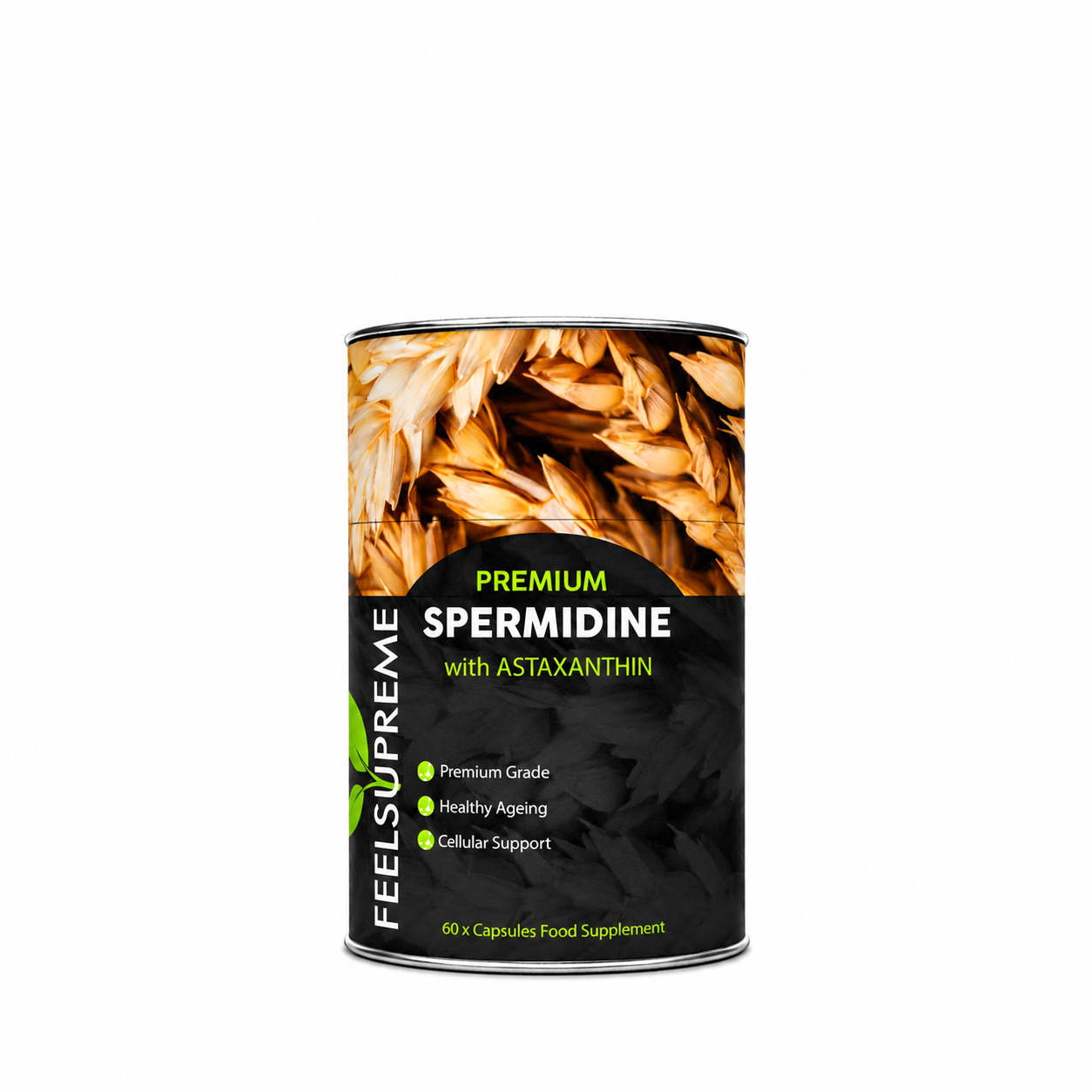
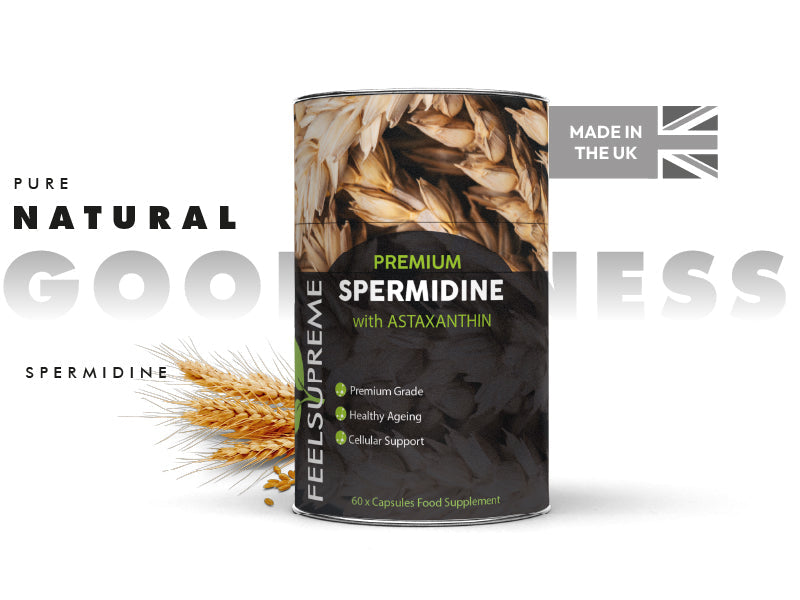
Spermidine with Astaxanthin - Cellular Renewal, Autophagy, Longevity & Healthy Ageing
Spermidine is one of the most exciting natural compounds in modern longevity research, particularly recognised for its involvement in autophagy, the body's remarkable cellular cleansing and recycling process. This essential biological function allows cells to break down damaged proteins, recycle worn-out components and maintain healthy cellular activity. Spermidine is naturally present throughout the body, but its levels and metabolism can change with age, making it a major focus of research into cellular ageing, mitochondrial health, brain function and longevity. Astaxanthin adds another powerful dimension, delivering exceptional antioxidant activity that helps protect cellular structures against oxidative stress. Derived from microalgae, this remarkable carotenoid has attracted scientific interest for its relationship with skin elasticity, eye health, exercise recovery and cellular protection. Together, Spermidine and Astaxanthin bring two complementary approaches to longevity, combining the science of cellular renewal with antioxidant defence.
This advanced formula combines 500mg of Wheatgerm Extract, standardised to provide 5mg of Spermidine, with 80mg of Algae Extract, supplying 4mg of Astaxanthin in every capsule. Both ingredients are naturally derived and carefully standardised to deliver consistent quantities of their active compounds. Spermidine occurs naturally in foods such as wheatgerm, mushrooms and fermented products, while Astaxanthin is produced by microalgae and is responsible for the distinctive red pigmentation found in salmon and other marine life. The combination offers a concentrated source of these two remarkable nutrients without the need to consume large quantities of individual foods. Free from unnecessary fillers and binders, the clean, vegan-friendly formulation provides a straightforward approach to daily supplementation. Each bottle contains 60 capsules, offering a full two-month supply with just one capsule per day.
Spermidine with Astaxanthin brings together two of the most fascinating ingredients in cellular health and longevity nutrition. Spermidine is being investigated for its influence on autophagy, cellular maintenance and age-related biological processes, while Astaxanthin provides antioxidant activity associated with protecting cells from everyday oxidative stress. This combination is particularly appealing to biohackers, longevity enthusiasts and anyone interested in maintaining healthy cellular function as they age. With its high-strength active ingredients, clean formulation and convenient daily serving, it makes an excellent addition to a carefully considered wellness routine. Invest in your cellular health and longevity and get Spermidine with Astaxanthin.
Q: What is Spermidine and why is it associated with longevity?
A: Spermidine is a naturally occurring polyamine found in virtually every living cell. It plays an important role in cellular maintenance, growth and renewal, particularly through its relationship with autophagy, the body's natural cellular recycling system. Spermidine has become a major focus of longevity research because of its involvement in cellular housekeeping, mitochondrial function and healthy ageing.
Q: What is the traditional Japanese food rich in Spermidine?
A: Natto, a traditional Japanese food made from fermented soybeans, is one of the best-known dietary sources of Spermidine. Natto has been eaten in Japan for centuries and is particularly popular as a breakfast food. Japan is famous for its long-lived population, and traditional Japanese diets rich in fermented foods, vegetables and soy products have attracted considerable attention from longevity researchers. Natto is especially interesting because it provides Spermidine alongside vitamin K2, protein and other naturally occurring nutrients.
Q: Is Natto considered a longevity food in Japan?
A: Yes, Natto is frequently discussed as a traditional Japanese longevity food. Its naturally occurring Spermidine content is one reason researchers are interested in it, alongside its vitamin K2 and fermented soybean compounds. Observational Japanese studies have associated higher Natto consumption with lower cardiovascular mortality. However, these findings do not establish that Spermidine alone is responsible for Japan's longevity. Natto remains a fascinating example of how traditional fermented foods can contribute to a nutrient-rich, healthy-ageing diet.
Q: What is autophagy and why is it so important?
A: Autophagy is the body's natural process of breaking down and recycling damaged proteins, worn-out cellular components and dysfunctional organelles. This essential housekeeping system helps cells maintain their integrity and function efficiently. Spermidine is particularly interesting because experimental research suggests it can influence autophagy-related pathways, making it a prominent compound in cellular renewal and longevity research.
Q: Can Spermidine help slow the ageing process?
A: Spermidine has demonstrated intriguing effects on ageing-related processes in laboratory and animal research, including studies investigating cellular maintenance and lifespan. Human studies are continuing, but supplementation has not yet been shown to extend human lifespan. Its involvement in fundamental cellular processes makes it an exciting ingredient for those interested in healthy-ageing nutrition.
Q: Why combine Spermidine with Astaxanthin?
A: These two ingredients complement one another through different biological mechanisms. Spermidine is involved in cellular renewal and autophagy-related processes, while Astaxanthin is a powerful carotenoid antioxidant that helps protect cellular structures against oxidative stress. Combining them brings together cellular maintenance and antioxidant nutrition in one convenient daily formula.
Q: What makes Astaxanthin such a powerful antioxidant?
A: Astaxanthin is a naturally occurring red carotenoid produced by microalgae. Its distinctive molecular structure allows it to interact with cell membranes, where it can help counter oxidative damage. It has attracted considerable research interest for its antioxidant activity and potential benefits for skin health, visual fatigue and exercise-related oxidative stress.
Q: Can Spermidine support brain health and memory?
A: Spermidine is being investigated for its relationship with neuronal maintenance, autophagy and cognitive ageing. The brain depends on effective cellular recycling and mitochondrial function to maintain healthy nerve cells. Although some observational findings have been encouraging, clinical trials have not yet demonstrated consistent improvements in memory from Spermidine supplementation.
Q: Is Spermidine beneficial for mitochondrial health?
A: Spermidine is involved in cellular processes associated with mitochondrial quality control. Mitochondria are responsible for producing much of the energy used by the body's cells, and maintaining their function is an important part of healthy ageing. Spermidine's relationship with cellular recycling makes it particularly interesting in mitochondrial research.
Q: Can Astaxanthin support healthier-looking skin?
A: Astaxanthin has been studied for its effects on skin hydration, elasticity, texture and oxidative stress. Its antioxidant properties make it a popular ingredient in beauty-from-within supplements. Some human studies have reported improvements in selected skin measurements, although results vary.
Q: How much Spermidine and Astaxanthin does each capsule contain?
A: Each capsule contains 500mg of Wheatgerm Extract standardised to 1% Spermidine, providing 5mg of actual Spermidine, alongside 80mg of Algae Extract standardised to 5% Astaxanthin, providing 4mg of actual Astaxanthin.
Q: Is 5mg of Spermidine a high-strength serving?
A: Yes, 5mg of actual Spermidine is a substantial quantity compared with many supplements containing smaller amounts. Importantly, this formula specifies the actual Spermidine content rather than simply advertising the weight of the wheatgerm extract. The ideal supplemental dose for longevity has not yet been established in human research.
Q: What foods naturally contain Spermidine?
A: Spermidine occurs naturally in wheatgerm, Natto, mushrooms, soybeans, peas, lentils, aged cheeses and various wholegrains. Traditional diets containing fermented foods and plant-based ingredients can provide useful dietary sources of this fascinating compound.
Q: Does Spermidine activate autophagy in the same way as fasting?
A: Spermidine and fasting are both studied in relation to autophagy, but they operate through different and overlapping biological mechanisms. Experimental studies suggest Spermidine can influence pathways involved in cellular recycling without requiring complete food restriction. However, taking Spermidine has not been proven to reproduce all the biological effects of fasting in humans.
Q: Can Spermidine with Astaxanthin be taken as part of a biohacking routine?
A: Absolutely. Spermidine and Astaxanthin are popular subjects in biohacking and longevity research because of their connections with cellular maintenance, antioxidant defence and mitochondrial biology. They can be incorporated into a broader routine focused on nutrition, exercise, sleep and long-term metabolic health.
Q: Is this supplement suitable for vegans?
A: Yes. The formula uses plant-derived Wheatgerm Extract and microalgae-derived Astaxanthin, enclosed in an HPMC vegetable capsule. It contains no unnecessary fillers or binders.
Q: How many capsules are in each bottle?
A: Each bottle contains 60 vegan capsules, providing a convenient 60-day supply when taking one capsule daily.
Q: When is the best time to take Spermidine with Astaxanthin?
A: Take one capsule daily with food, preferably a meal containing some healthy fats such as olive oil, avocado or nuts. Astaxanthin is fat-soluble, so consuming it alongside dietary fat can help its absorption. Consistency is more important than a particular time of day.
Q: What makes Spermidine with Astaxanthin different from an ordinary antioxidant supplement?
A: Rather than focusing exclusively on antioxidant activity, this formula combines Astaxanthin with Spermidine, a compound involved in essential cellular maintenance and recycling processes. It offers two distinct areas of nutritional interest in one formula, making it particularly appealing to those exploring the science of cellular health, healthy ageing and longevity.
Other Ingredients: HPMC Vegetable Capsule
Thanks for subscribing!
This email has been registered!