

Couldn't load pickup availability
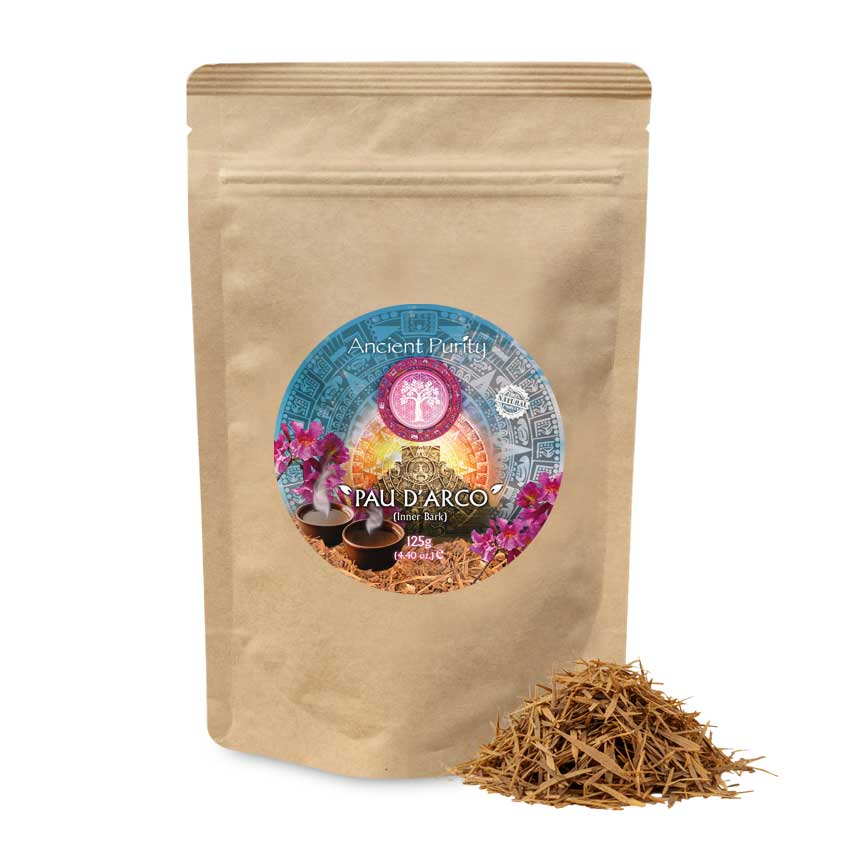
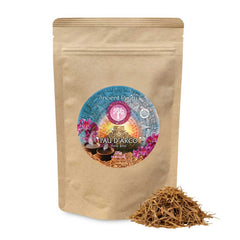
Ancient Purity Pau d’Arco - Inner Bark | The Divine Rainforest Tea for Immunity, Cleansing & Renewal
Pau d’Arco has been revered across South America for its remarkable ability to support the body during times of stress, infection and imbalance. Traditionally brewed as a strong tea, it has been used for inflammation, joint discomfort, digestive complaints, skin issues and immune challenges. Its naturally occurring antifungal and antibacterial compounds have made it especially valued for restoring balance when the body is under microbial pressure, both internally and externally.
In indigenous traditions, Pau d’Arco is far more than a medicinal bark. It is a sacred plant teacher. Amazonian shamans have long incorporated it into cleansing rituals, energising tonics and ceremonial preparations, recognising its ability to strengthen vitality while assisting the body in releasing stagnation and toxicity. Its use spans from everyday wellness teas to more profound spiritual and cleansing applications, always respected for its strength and intelligence.
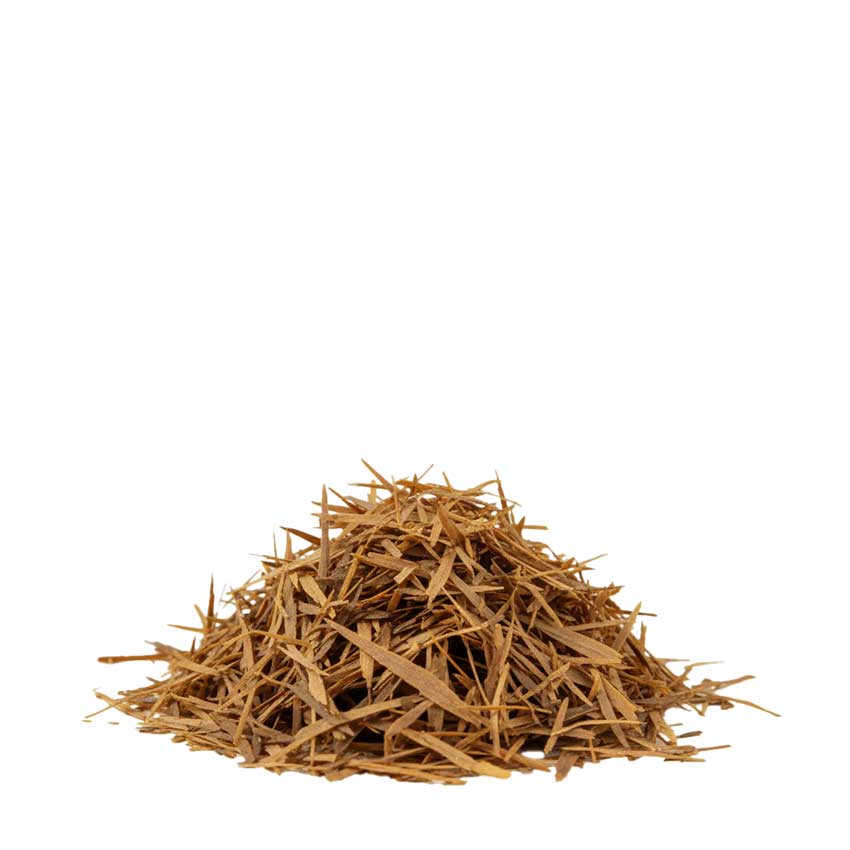
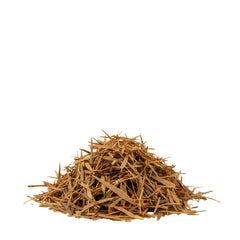
Ancient Purity Pau d’Arco is offered in its most authentic form, the whole inner bark, allowing you to prepare it slowly and intentionally as a loose tea. This method preserves the full spectrum of plant compounds and honours the way Pau d’Arco has always been used. Each cup connects you back to ancient rainforest wisdom, supporting immunity, purification and deep cellular renewal through one of nature’s most powerful herbal allies.
Q: What is Pau d’Arco tea traditionally used for?
A: Pau d’Arco is a South American inner bark tea traditionally prepared as a decoction and used for deep internal cleansing and systemic balance. Modern interest has grown due to its unique naphthoquinones and polyphenols, which have been widely studied for their biological activity. The tea has a naturally woody, slightly vanilla like taste and has been consumed for generations as part of long term herbal protocols rather than short term symptom chasing.
Q: Can Pau d’Arco support inflammatory balance?
A: Pau d’Arco contains compounds that have been shown in laboratory and animal research to influence inflammatory signalling pathways. Studies suggest its constituents can modulate the release of pro inflammatory mediators, helping the body maintain a more balanced inflammatory response rather than forcing suppression. This makes it of interest for those focused on long term cellular resilience.
Q: Is Pau d’Arco useful in weight management protocols?
A: Experimental research has explored Pau d’Arco’s interaction with digestive enzymes involved in fat metabolism, including pancreatic lipase. By influencing how fats are processed, it has attracted attention in metabolic research. Traditionally however, Pau d’Arco is not used as a weight loss herb but as a systemic support that may indirectly benefit metabolic efficiency when combined with diet and lifestyle strategies.
Q: Why is Pau d’Arco always prepared as a bark decoction rather than a quick tea?
A: The key compounds in Pau d’Arco are locked within dense inner bark fibres and require sustained heat to extract effectively. A true decoction allows the full phytochemical spectrum to be released, whereas quick steeping under extracts its most valuable constituents.
Q: What makes Pau d’Arco chemically unique among medicinal barks?
A: Pau d’Arco contains rare naphthoquinones such as lapachol and beta lapachone, alongside flavonoids and tannins. This combination gives it a biochemical profile that interacts with microbial signalling, oxidative stress pathways and cellular energy metabolism in ways few other barks do.
Q: Is Pau d’Arco more suited to short term use or long term protocols?
A: Traditionally, Pau d’Arco is used in cycles rather than continuously. Its strength lies in cumulative effects over time, making it better suited to structured protocols with breaks rather than daily indefinite use.
Q: How does Pau d’Arco differ from antifungal or antimicrobial herbs?
A: Rather than acting as a blunt antimicrobial, Pau d’Arco appears to influence environmental conditions within the body that make imbalance less favourable. This distinction is why it has historically been used as part of broader herbal systems rather than as a standalone intervention.
Q: Why do biohackers pair Pau d’Arco with mineral rich or liver supporting protocols?
A: Pau d’Arco’s activity can increase metabolic turnover and detox demand. Supporting mineral status and liver function helps the body process and eliminate metabolic byproducts efficiently, improving tolerance and results.
Q: Does Pau d’Arco contain caffeine or stimulants?
A: No. Pau d’Arco is naturally caffeine free and does not stimulate the nervous system. Any sense of clarity reported by users is more likely related to reduced biological noise rather than stimulation.
Q: Can Pau d’Arco be combined with fasting or low carbohydrate protocols?
A: Traditionally, bitter and astringent barks like Pau d’Arco were often consumed away from heavy meals. Many modern users find it integrates well into fasting or low carbohydrate routines due to its non caloric nature and lack of blood sugar impact.
Q: Why is inner bark quality more important than colour or grind size?
A: The medicinal compounds reside in the inner bark, not the outer wood. Proper harvesting, drying and storage preserve these compounds far more than visual appearance or fineness of grind.
Q: How does Pau d’Arco fit into ancestral herbal systems?
A: Indigenous systems viewed Pau d’Arco as a foundational cleansing bark, used periodically to reset internal balance. It was rarely used casually and more often respected as a deep acting plant ally.
Q: Is Pau d’Arco better taken alone or stacked with other herbs?
A: Alone, Pau d’Arco offers clarity and predictability. In stacks, it is often paired with supportive rather than aggressive herbs to avoid overwhelming detox pathways.
Q: Why does Pau d’Arco have renewed interest in modern research?
A: Its unique compounds interact with cellular signalling in ways that align with current interest in inflammation, oxidative stress, metabolic efficiency and microbial balance, making it a bridge between traditional use and modern systems biology.
Q: Why does Pau d’Arco feel different from most herbal teas at a cellular level?
A: Pau d’Arco contains compounds that interact with cellular redox balance rather than acting as surface level stimulants or suppressors. Instead of pushing the body in one direction, it appears to influence how cells handle oxidative load and metabolic stress, which is why many people describe its effects as “foundational” rather than noticeable in one specific organ.
Q: Why was Pau d’Arco historically reserved for specific seasons or life phases?
A: In indigenous systems, strong barks were used during transitions such as seasonal shifts, recovery periods or internal resets. Pau d’Arco was not treated as a daily beverage but as a strategic tool to support internal recalibration when the body was under higher environmental or physiological pressure.
Q: What does Pau d’Arco do that isolated extracts cannot replicate?
A: Whole bark preparations deliver a complex matrix of compounds that modulate each other’s activity. Isolated compounds often lose this self limiting intelligence, whereas the full bark appears to naturally cap its own intensity through tannins and co factors.
Q: Why do some people report a “clearing” sensation rather than stimulation?
A: Pau d’Arco does not stimulate neurotransmitters or adrenal output. Any sense of clarity is more likely the result of reduced background inflammatory or oxidative signalling, allowing normal physiological processes to function with less interference.
Q: Why is Pau d’Arco considered a systems herb rather than a target herb?
A: Target herbs push a specific pathway. Systems herbs influence the terrain in which multiple pathways operate. Pau d’Arco’s traditional role was to improve the internal environment so balance could re emerge naturally, rather than forcing outcomes.
Q: How does Pau d’Arco interact with microbial ecosystems rather than individual microbes?
A: Rather than acting like a broad spectrum killer, Pau d’Arco appears to influence signalling, adhesion and metabolic conditions. This shifts competitive advantage within microbial ecosystems instead of wiping them out, which aligns with its long term traditional use.
Q: Why do traditional preparations emphasise patience and consistency over strength?
A: Pau d’Arco’s effects are cumulative and regulatory rather than acute. Stronger doses do not necessarily improve results and may reduce tolerance. Slow, repeated exposure allows the body to integrate its effects without triggering defensive responses.
Q: Why is Pau d’Arco often described as a “cleansing” bark without being a laxative?
A: Cleansing in traditional herbalism does not mean forced elimination. Pau d’Arco supports metabolic processing and clearance efficiency upstream, reducing the need for aggressive elimination strategies downstream.
Q: What makes Pau d’Arco relevant to modern environmental stress?
A: Modern bodies face chronic low level stress from oxidative load, signalling noise and metabolic disruption. Pau d’Arco’s compound profile aligns closely with these pressures, which explains renewed scientific interest despite its ancient use.
Q: Why is Pau d’Arco rarely combined with stimulants in traditional formulas?
A: Stimulants increase metabolic demand. Pau d’Arco supports metabolic order. Combining the two can work against the herb’s core purpose, which is why traditional systems kept it paired with grounding or supportive elements.
Q: How does Pau d’Arco differ from adaptogens conceptually?
A: Adaptogens help the body respond to stress. Pau d’Arco appears to reduce the underlying burden that creates stress responses in the first place. This places it upstream of adaptation.
Q: Why does inner bark age and storage matter more for Pau d’Arco than for leafy herbs?
A: Bark compounds oxidise and polymerise differently over time. Proper drying and storage preserve the delicate balance between potency and astringency, which directly affects both efficacy and tolerance.
Q: Why is Pau d’Arco sometimes described as “quietly powerful”?
A: It does not announce itself through immediate sensations. Its influence is subtle, progressive and regulatory, which is often overlooked in a culture conditioned to equate intensity with effectiveness.
Q: How does Pau d’Arco fit into a long view of health rather than symptom management?
A: Traditional use focused on resilience, longevity and internal balance over years, not quick relief. Pau d’Arco was respected as a plant that supported the body’s ability to self regulate over time.
Q: Why do some people feel better after stopping Pau d’Arco rather than during use?
A: This delayed benefit pattern is common with regulatory herbs. Effects continue as the body integrates changes rather than depending on continued intake.
Q: Why has Pau d’Arco never become a mainstream commercial tea despite centuries of use?
A: Its effects are subtle, its preparation requires patience and it does not deliver instant gratification. These qualities make it less suited to mass market trends but ideal for informed users seeking depth.
Q: What kind of person tends to benefit most from Pau d’Arco?
A: Individuals focused on systems health, long term resilience and internal order rather than quick fixes often resonate most with Pau d’Arco’s character.
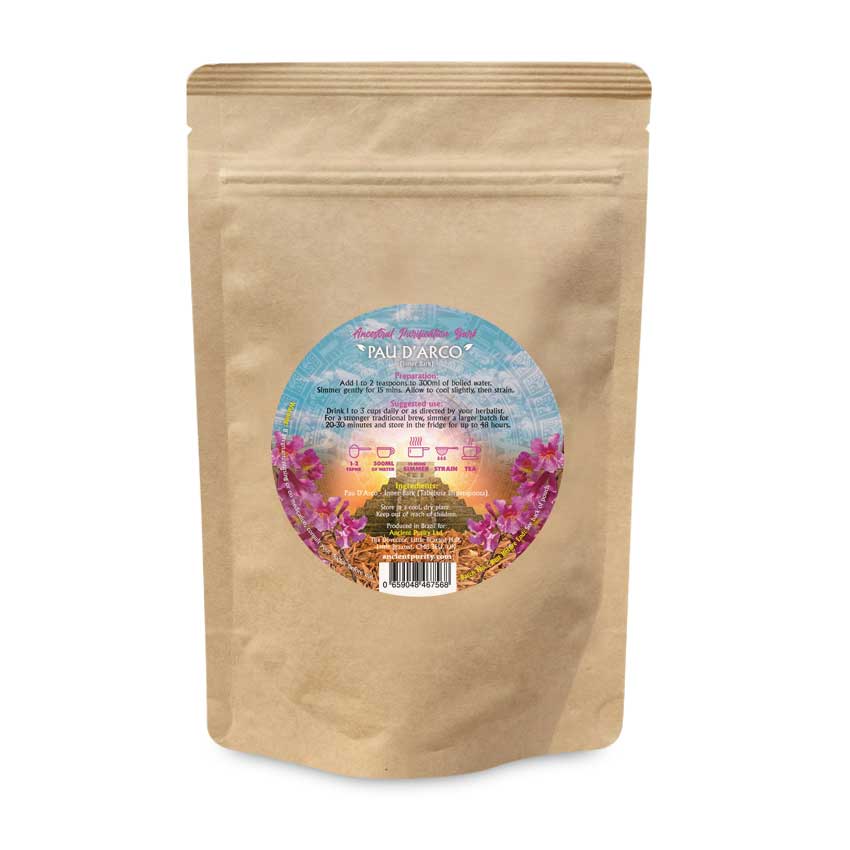
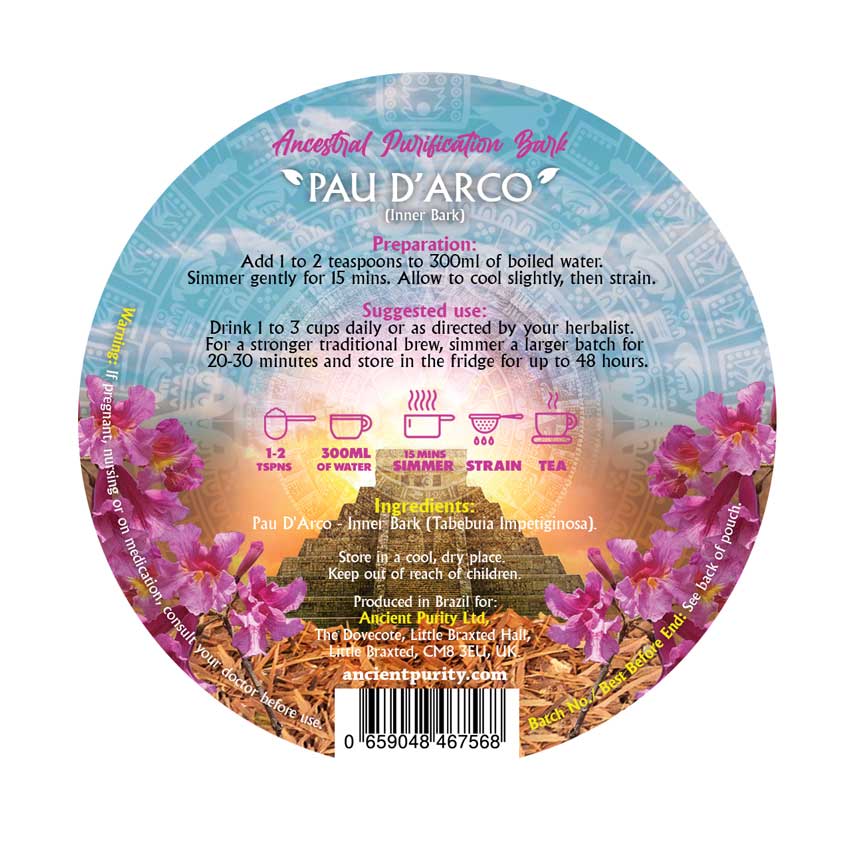
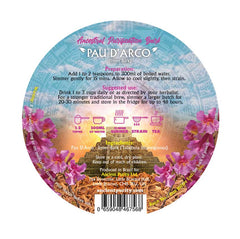
Put 2 teaspoons of Ancient Purity Pau d'Arco Bark into 4 cups of boiling water.Let the bark sit in the boiling water for 20 minutes.Remove heat and let the bark cool for at least 1 hour.Strain the water.Drink tea in small portions throughout the day, or use tea water for external use and vaginal flush.You can also talk to your healthcare practitioner regarding use the correct amount of Pau d’Arco. Do not exceed the recommended daily intake. Take a one-week break after 7 days of use.
WARNING: Because Pau d'Arco can slow blood clotting, it should not be used with anticoagulants like Coumadin (warfarin) or antiplatelet drugs like Plavix (clopidogrel). The same may apply to nonsteroidal anti-inflammatory drugs like Advil (ibuprofen), Aleve (naproxen), and Voltaren (diclofenac) in which the combined use may lead to gastric bleeding and stomach ulcers. Pregnancy/Nursing: Due to lack of research, Pau d'Arco should not be used in children, pregnant women, or nursing mothers. To avoid interactions or unforeseen side effects, always advise your doctor about any herbal supplement or traditional medication you are taking.
NOTE: Sweeten with Honey or Maple Syrup.
Whole Dried inner bark / 100% Natural, Organically Grown.
Produced to ecological standards, free from agro-chemicals, non-irradiated and GMO-free.
Thanks for subscribing!
This email has been registered!