Currency
Currency


Couldn't load pickup availability
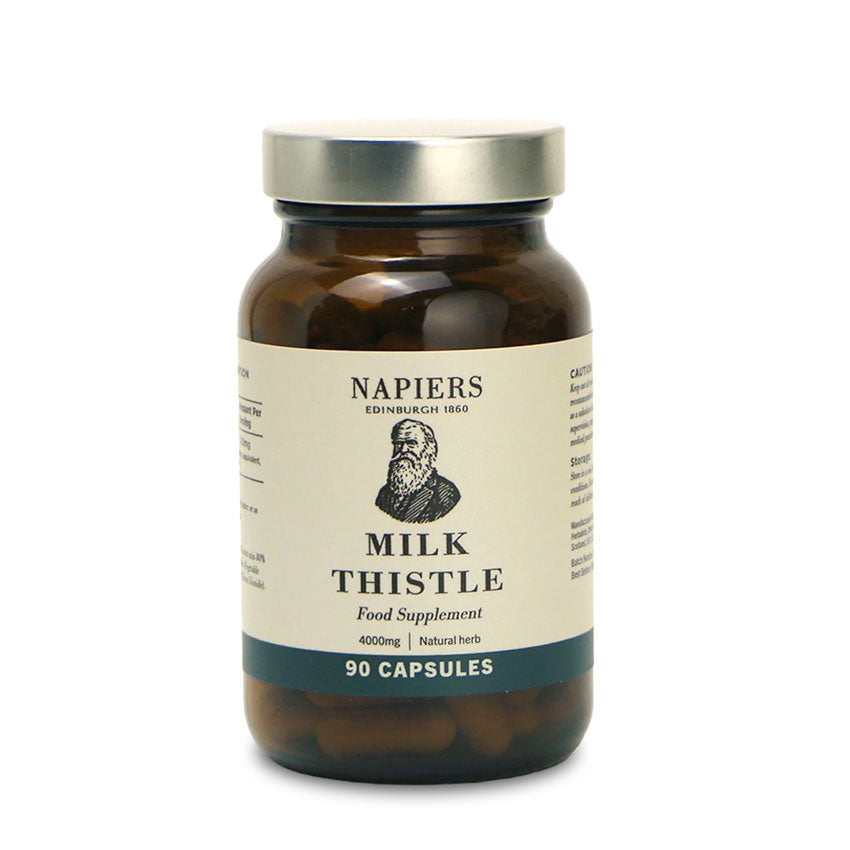
Milk Thistle Capsules 4000mg | High Strength 80% Silymarin for Liver Health, Antioxidant Protection & Natural Detoxification
Milk Thistle (Silybum marianum) has been valued for over 2,000 years as one of nature's most important herbs for liver health. The liver performs hundreds of essential functions, from metabolising nutrients and regulating energy to processing hormones, alcohol and metabolic by-products. Modern lifestyles place considerable demands on this remarkable organ, making its long-term health an important part of overall wellbeing. Unlike aggressive cleansing formulas that promise to flush toxins from the body, Milk Thistle takes a more intelligent approach by supporting the liver itself, the body's principal organ for metabolic processing and detoxification.
At the heart of Milk Thistle is silymarin, a complex of naturally occurring flavonolignans including silybin, recognised for their antioxidant and cell-protective properties. Research has investigated silymarin's influence on oxidative stress, inflammatory signalling, liver cell membranes and the biological mechanisms involved in cellular repair. These properties make Milk Thistle particularly interesting to those focused on liver resilience, metabolic health and long-term cellular protection. Its relationship with glutathione, one of the body's most important endogenous antioxidants, is another area of scientific interest. Rather than forcing artificial detoxification, Milk Thistle provides plant compounds that may help support the liver's existing protective mechanisms.
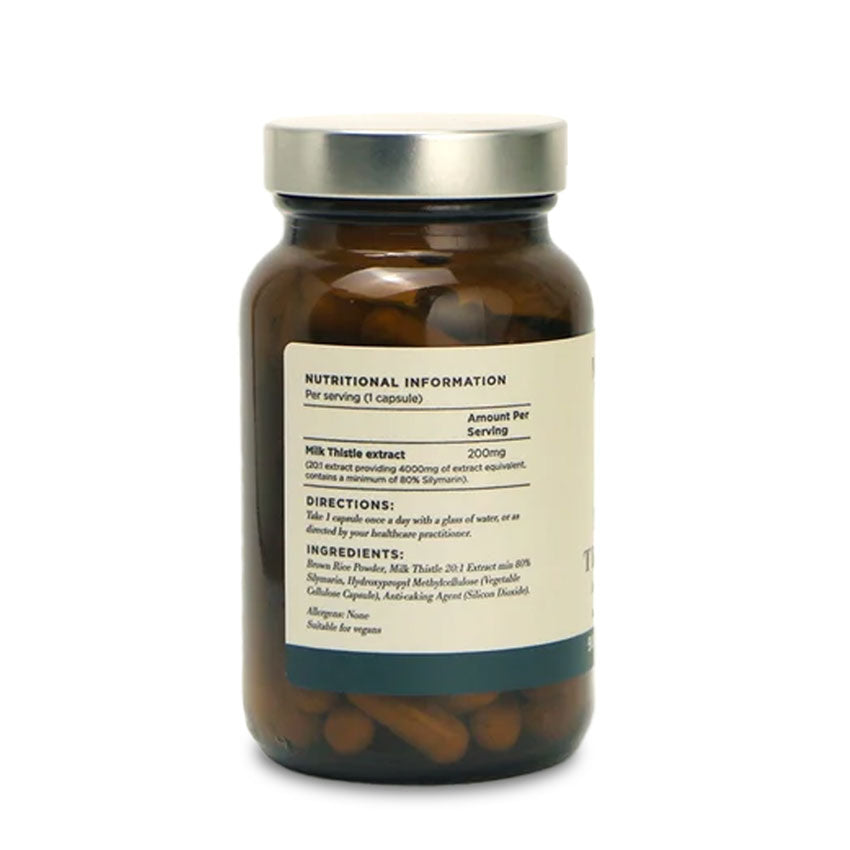
This Milk Thistle delivers a concentrated herbal extract equivalent to 4000mg of Milk Thistle per capsule, standardised to 80% silymarin to ensure reliable strength and consistency. Standardisation is especially important with botanical supplements, where the concentration of active compounds can vary considerably between products. This high-strength, one-a-day formula combines centuries of traditional herbal knowledge with modern extraction standards, providing a practical 90-day supply for those who take their liver health seriously. Targeted botanical nutrition designed to work with the body's natural intelligence, not against it.
Q: How does Milk Thistle influence glutathione production and the liver's antioxidant defence systems?
A: Milk Thistle contains silymarin, a complex of flavonolignans investigated for its influence on glutathione metabolism and cellular antioxidant defence. Glutathione is one of the body's most important endogenous antioxidants, helping protect liver cells against reactive oxygen species generated during normal metabolism. Experimental research suggests silymarin may help preserve glutathione levels and influence antioxidant enzymes, although the extent of these effects in humans remains uncertain. This makes Milk Thistle an interesting botanical for those focused on cellular resilience and long-term liver health.
Q: Can Milk Thistle support Phase I and Phase II liver detoxification pathways?
A: The liver processes many compounds through Phase I transformation and Phase II conjugation pathways, making substances easier to eliminate through bile or urine. Silymarin has been investigated for its interactions with antioxidant systems, metabolic enzymes and cellular transport mechanisms. However, there is insufficient human evidence to establish that Milk Thistle meaningfully accelerates either detoxification phase. Its principal scientific interest lies in antioxidant activity and the potential protection of liver cells rather than forcing the body to eliminate toxins faster.
Q: What makes silymarin important for mitochondrial function and cellular energy?
A: Mitochondria are responsible for generating ATP, the energy currency required for virtually every biological process. Liver cells are particularly rich in mitochondria because of their demanding metabolic workload. Laboratory studies suggest silymarin may help limit mitochondrial oxidative damage and influence pathways involved in cellular stress responses. These mechanisms are relevant to healthy ageing and metabolic resilience, although direct improvements in human mitochondrial performance or energy levels have not been conclusively demonstrated.
Q: How does Milk Thistle interact with the Nrf2 antioxidant signalling pathway?
A: Nrf2 is a cellular transcription factor involved in regulating antioxidant and protective enzymes, including those associated with glutathione metabolism. Experimental studies suggest that silymarin and its constituents may influence Nrf2-related signalling, potentially helping cells respond to oxidative stress. This is particularly interesting in the context of liver health, where antioxidant regulation plays an important protective role. However, laboratory activation of Nrf2 does not automatically translate into measurable clinical benefits from oral supplementation.
Q: Can Milk Thistle influence liver cell regeneration and repair mechanisms?
A: The liver possesses an exceptional natural capacity for regeneration. Silymarin has been studied for its effects on oxidative damage, inflammatory signalling and cellular processes associated with liver tissue protection. Some experimental research also suggests an influence on protein synthesis and cellular recovery pathways. These findings help explain Milk Thistle's long history of use for liver support, although it has not been established that supplementation accelerates liver regeneration in healthy humans or reverses existing liver damage.
Q: What is the relationship between Milk Thistle, insulin resistance and metabolic health?
A: The liver plays a central role in glucose regulation, glycogen storage, lipid metabolism and insulin signalling. Clinical research has explored whether silymarin supplementation may influence fasting blood glucose, insulin resistance and markers of metabolic health, particularly in people with type 2 diabetes or metabolic dysfunction. Some studies and meta-analyses report promising improvements, although findings vary in quality and consistency. Milk Thistle should therefore be viewed as an investigational metabolic support compound rather than a proven treatment for insulin resistance.
Q: Can Milk Thistle influence fatty liver and the accumulation of hepatic triglycerides?
A: Fat accumulation within liver cells is closely associated with metabolic dysfunction, insulin resistance and oxidative stress. Silymarin has been investigated in people with metabolic dysfunction-associated steatotic liver disease, previously called non-alcoholic fatty liver disease. Some trials have reported improvements in liver enzyme measurements, but evidence for meaningful reductions in liver fat, inflammation or fibrosis remains limited. Milk Thistle cannot replace established approaches involving nutrition, physical activity, weight management and appropriate medical assessment.
Q: How does Milk Thistle influence inflammatory signalling within liver cells?
A: Silymarin has demonstrated effects on several inflammatory pathways in laboratory research, including NF-kappa B signalling and the production of certain inflammatory mediators. These pathways are involved in how cells respond to metabolic stress and tissue injury. By influencing oxidative and inflammatory processes, silymarin may contribute to cellular protection under experimental conditions. Human evidence is less definitive, so Milk Thistle should not be described as a clinically proven anti-inflammatory treatment.
Q: Why is an extract standardised to 80% silymarin different from ordinary Milk Thistle powder?
A: Whole Milk Thistle seed powder contains naturally occurring silymarin at concentrations that vary according to cultivation, harvesting and processing. A standardised extract is concentrated to provide a defined proportion of silymarin, allowing more consistent dosing of the principal compounds being studied. An 80% standardisation refers to the proportion of silymarin within the extract itself, not the total herb-equivalent weight. This distinction is essential when comparing the actual potency of different Milk Thistle supplements.
Q: Does a 4000mg Milk Thistle equivalent provide 4000mg of active silymarin?
A: No. A 4000mg equivalent describes the amount of original botanical material represented by the concentrated extract. The actual quantity of silymarin depends on the weight of extract in each capsule and its standardised concentration. For example, 200mg of extract standardised to 80% silymarin would nominally provide 160mg of silymarin, subject to the manufacturer's testing method. Understanding this difference allows informed consumers to compare supplements by active compound content rather than headline milligram figures.
Q: Why does silymarin bioavailability matter when choosing a Milk Thistle supplement?
A: Silymarin contains compounds with relatively low water solubility and limited oral bioavailability. After ingestion, its constituents undergo absorption, metabolism and conjugation, influencing how much reaches systemic circulation. Researchers have investigated phospholipid complexes and specialised formulations to improve absorption. A high-strength standardised extract provides a defined concentration of active compounds, but standardisation alone does not guarantee superior absorption. Both delivered dose and formulation influence the potential biological exposure.
Q: Can Milk Thistle influence cholesterol metabolism and cardiovascular health?
A: The liver is central to cholesterol synthesis, lipoprotein regulation and bile acid production. Research has explored whether silymarin influences lipid metabolism through antioxidant activity and metabolic signalling pathways. Some clinical studies have reported changes in cholesterol and triglyceride measurements, particularly in populations with metabolic disorders, but results are inconsistent. These findings are scientifically interesting without establishing Milk Thistle as a reliable cholesterol-lowering intervention.
Q: Does Milk Thistle influence hormone metabolism and oestrogen clearance?
A: The liver metabolises and conjugates many hormones, including oestrogens, before their metabolites are eliminated from the body. Because Milk Thistle is associated with liver health, it is sometimes promoted for hormone balance or oestrogen detoxification. However, reliable human evidence that silymarin improves oestrogen clearance or corrects hormonal imbalances is lacking. Certain Milk Thistle constituents have also demonstrated oestrogen-related biological activity in experimental settings, making simplistic claims about hormone balancing inappropriate.
Q: Is Milk Thistle useful for people exposed to alcohol, environmental pollutants and modern metabolic stress?
A: The liver continuously processes alcohol metabolites, environmental compounds, medications and substances generated through normal metabolism. Silymarin's antioxidant and cell-protective properties have attracted research interest in conditions involving liver stress. However, supplementation has not been proven to prevent alcohol-related liver damage, neutralise environmental toxins or make harmful exposures safe. Milk Thistle is best considered a complementary botanical rather than protection against excessive alcohol consumption or toxic exposure.
Q: Can Milk Thistle be combined with NAC, Glycine or other glutathione-focused supplements?
A: NAC supplies cysteine, while Glycine is another amino acid required for glutathione synthesis. Milk Thistle works through different proposed mechanisms, including antioxidant activity and modulation of cellular stress pathways. This creates a theoretical rationale for combining these compounds in a broader antioxidant-support strategy. However, clinical trials have not established that combining them produces superior liver outcomes in healthy people. Those taking medication or managing liver disease should check suitability with a qualified healthcare professional.
Q: Is long-term daily Milk Thistle supplementation preferable to occasional detox protocols?
A: The liver performs its metabolic and detoxification functions continuously, not in occasional cleansing cycles. This makes consistent lifestyle habits more biologically relevant than short-term detox regimens. Milk Thistle has been studied over periods ranging from weeks to months, with generally favourable tolerability in many clinical settings, although long-term evidence remains limited. Daily supplementation may suit some adults, but it is not established that continuous use improves liver health in otherwise healthy individuals. People taking regular medication should consider potential interactions before prolonged use.
Other Ingredients: Brown Rice Powder, Anti-caking Agent (Silicon Dioxide) Capsule - Hydroxypropyl Methylcellulose Vegetable Cellulose.
NOTE: Consider cycling this supplement to 3 months on 1 month off.
Thanks for subscribing!
This email has been registered!