Currency
Currency


Couldn't load pickup availability
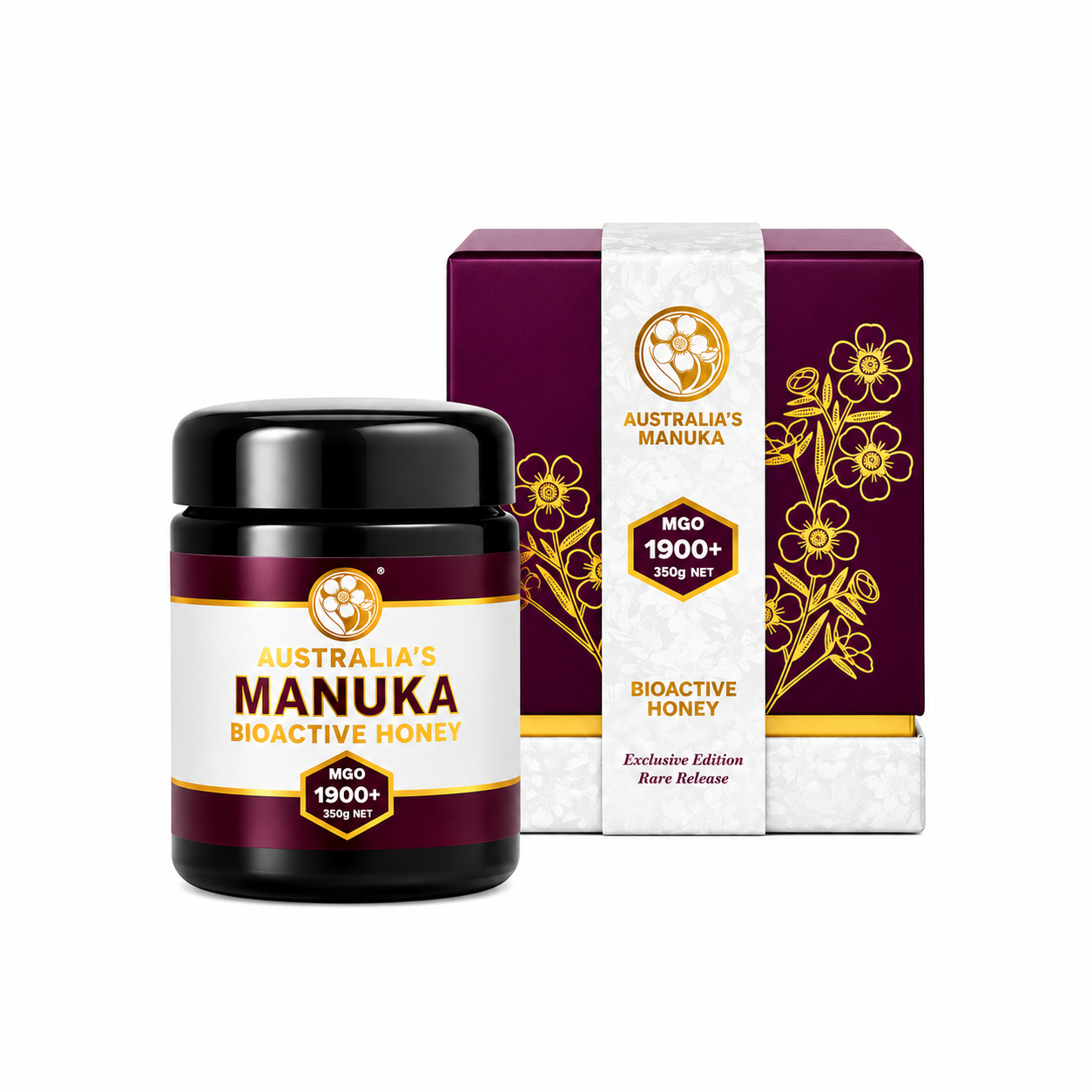
Australia’s Manuka Honey Limited Reserve MGO 1900+ (33+ NPA) – Ultra-Rare Australian Manuka | Extraordinary Bioactivity & Exceptional Natural Potency.
Manuka honey is one of nature's most scientifically fascinating substances, prized for its extraordinary concentration of Methylglyoxal (MGO), a naturally occurring compound responsible for its distinctive antibacterial properties. Unlike conventional honey, which relies largely on hydrogen peroxide for its antimicrobial activity, Manuka honey possesses powerful Non-Peroxide Activity associated with MGO. This remarkable Limited Reserve delivers an exceptional MGO 1900+ concentration alongside a 33+ NPA rating, placing it among the most concentrated grades of Australian Manuka honey. Its naturally occurring polyphenols, flavonoids and antioxidant compounds add further botanical complexity, while its distinctive thick, jelly-like consistency reflects the unique chemistry of authentic Manuka honey. Researchers have investigated Manuka honey's activity against microorganisms including Staphylococcus aureus, Escherichia coli and Helicobacter pylori, highlighting why this remarkable substance continues to attract scientific interest. For enthusiasts of natural bioactive compounds, rare superfoods and exceptional botanical nutrition, MGO 1900+ represents a truly extraordinary level of purity, rarity and measured potency.
This is an exceptionally rare Limited Reserve Manuka honey, sourced from the coastal forests of Northern New South Wales, Australia, where native Manuka plants flourish in their natural environment. Producing honey with such extraordinary MGO concentrations requires an unusual combination of flowering conditions, rainfall, sunshine, botanical characteristics and seasonal timing. The Manuka blossoms must produce nectar containing sufficient Dihydroxyacetone (DHA), a naturally occurring precursor that gradually converts into Methylglyoxal as the honey matures. Only a small proportion of harvests develop the exceptional concentration required to achieve MGO 1900+, making this a genuinely scarce natural treasure rather than an ordinary commercially produced honey. At 1,900 mg of MGO per kilogram, it contains at least 58% more Methylglyoxal than MGO 1200+ Manuka honey and 19 times the concentration of MGO 100+. Every harvest reflects the remarkable relationship between native Australian flora, the environment and the extraordinary work of honeybees. Carefully cold extracted and independently laboratory tested, this Limited Reserve preserves the rich natural character, distinctive flavour and exceptional bioactive concentration that make high-grade Manuka honey so highly prized.
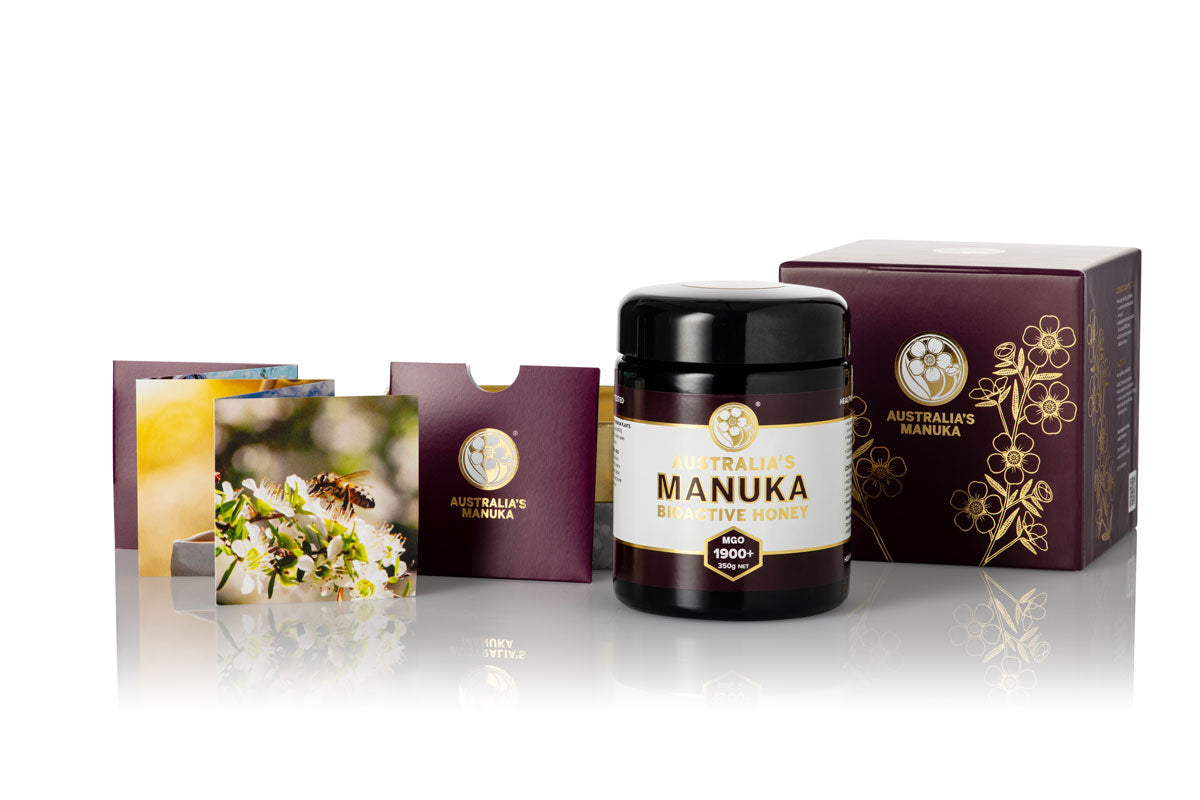
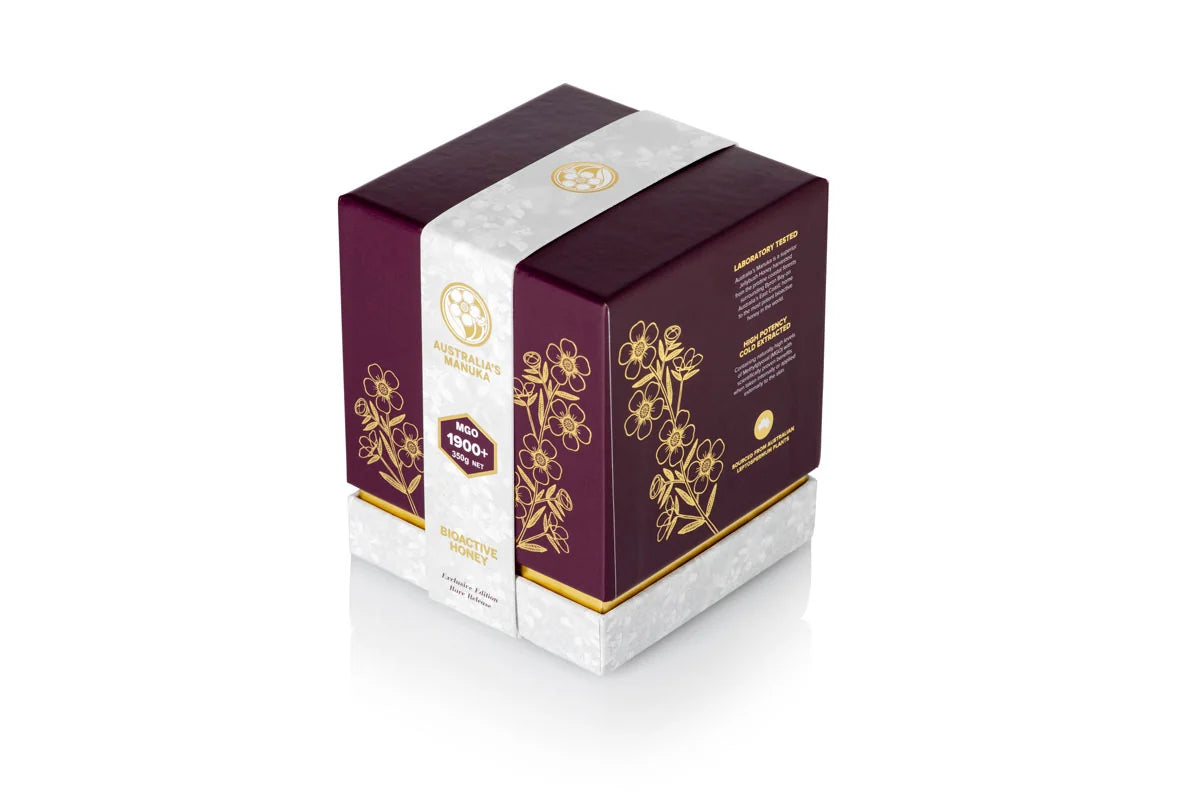
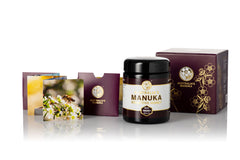
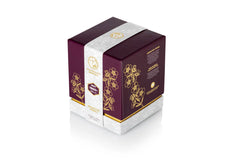
Beyond its extraordinary MGO concentration, authentic Manuka honey contains a fascinating collection of naturally occurring plant compounds, including phenolic acids, flavonoids, enzymes, organic acids and trace minerals. These compounds contribute to its distinctive antioxidant profile and make it a subject of continuing interest in natural product research. Its exceptional 33+ NPA rating reflects antibacterial activity measured against a laboratory reference standard, distinguishing it from ordinary honey and lower-activity Manuka varieties. Beautifully presented in a premium violet glass jar, which reduces exposure to much of the visible light spectrum, this remarkable honey is further distinguished by its individually numbered luxury presentation box. Its thick, naturally thixotropic texture, complex botanical flavour and extraordinarily limited availability make every spoonful a rare experience. This is not everyday honey or simply another natural sweetener. It is an exceptional Australian botanical treasure, created through an extraordinary natural process and reserved for those who appreciate the finest, rarest and most concentrated Manuka honey available. Discover the pinnacle of Australian Manuka with Limited Reserve MGO 1900+ – an extraordinary expression of nature's rarity, botanical complexity and remarkable bioactivity.
Q: What makes Australia’s Manuka Limited Reserve MGO 1900+ different from ordinary Manuka honey?
A: Its extraordinary methylglyoxal concentration is the defining difference. At a minimum of 1,900 mg/kg, this honey contains substantially more MGO than most commercially available Manuka varieties. Combined with its 33+ NPA rating, rare harvest conditions and individually numbered presentation, it represents an exceptionally high-grade Manuka honey.
Q: What does MGO 1900+ actually mean?
A: MGO 1900+ means the honey contains at least 1,900 milligrams of naturally occurring methylglyoxal per kilogram. Methylglyoxal is the principal compound associated with Manuka honey's distinctive non-peroxide antibacterial activity. The higher the measured MGO concentration, the greater the concentration of this particular bioactive compound.
Q: Is MGO 1900+ stronger than MGO 1200+ Manuka honey?
A: Yes. MGO 1900+ contains a minimum of approximately 58% more methylglyoxal than MGO 1200+. This represents a substantial difference in the concentration of the honey's principal antibacterial marker, although it does not establish a proportionally greater health benefit when consumed.
Q: What does 33+ NPA mean in Manuka honey?
A: NPA stands for Non-Peroxide Activity. It measures the antibacterial activity of Manuka honey under laboratory conditions using a standardised reference method. A rating of 33+ indicates exceptionally high non-peroxide antibacterial activity, placing this honey among the highest-rated Manuka varieties.
Q: Why is MGO 1900+ Manuka honey so expensive?
A: Its exceptional rarity is the principal reason. Only a very small proportion of Manuka honey harvests naturally achieve such high methylglyoxal concentrations. Specific flowering conditions, botanical characteristics and environmental factors must align. Independent testing, careful extraction, premium violet glass packaging and limited production further contribute to its exclusive positioning.
Q: Is Australian Manuka honey as good as New Zealand Manuka honey?
A: Both Australia and New Zealand produce authentic Manuka honey containing naturally occurring methylglyoxal. Australia is home to a particularly diverse range of Leptospermum species. Quality should be judged by factors such as verified MGO concentration, botanical origin, authenticity, handling and laboratory testing rather than country of origin alone.
Q: Does MGO 1900+ Manuka honey have antibacterial properties?
A: Yes. High-MGO Manuka honey demonstrates antibacterial activity in laboratory testing, with methylglyoxal playing an important role. Researchers have investigated Manuka honey against various bacteria, including Staphylococcus aureus and Escherichia coli. However, laboratory antibacterial activity does not mean eating the honey will treat an infection.
Q: Can MGO 1900+ Manuka honey support gut health?
A: Manuka honey has attracted scientific interest for its antimicrobial compounds and interactions with microorganisms. Research has explored its potential effects on digestive environments and microbial communities, although there is insufficient clinical evidence to establish that consuming high-MGO Manuka honey reliably improves gut health or eliminates harmful gut bacteria.
Q: What is the relationship between Manuka honey and Helicobacter pylori (H. pylori)?
A: Helicobacter pylori is a bacterium associated with gastritis and peptic ulcers. Manuka honey has demonstrated inhibitory activity against H. pylori in laboratory research, making it an interesting subject of investigation. However, eating Manuka honey has not been established as an effective treatment for H. pylori infection and should not replace eradication therapy.
Q: Does Manuka honey contain antioxidants?
A: Yes. Manuka honey naturally contains polyphenols, flavonoids and other compounds with antioxidant activity. These plant-derived substances contribute to the complex chemical composition of the honey. Their concentrations vary between harvests, and a higher MGO rating does not necessarily indicate a higher antioxidant concentration.
Q: Can Manuka honey be used for skin health?
A: Medical-grade Manuka honey has established applications in certain wound-care products, where specially prepared and sterilised formulations help maintain a suitable wound environment. This Limited Reserve is a food-grade honey intended for consumption, not a sterile medical wound dressing. It should not be substituted for medical-grade honey when treating wounds.
Q: Why does Manuka honey have a thick, jelly-like consistency?
A: Manuka honey is naturally thixotropic, meaning its structure can become more fluid when stirred or agitated. This unusual characteristic is associated with its natural composition and gives authentic Manuka honey a distinctive thick, gel-like texture compared with many conventional liquid honeys.
Q: Can I put MGO 1900+ Manuka honey into hot tea?
A: You can, although gently warm rather than boiling liquids are preferable if you wish to preserve the honey's natural enzymes and delicate aromatic characteristics. Methylglyoxal itself is relatively stable under ordinary conditions, but prolonged exposure to excessive heat can affect other components of honey.
Q: Does MGO 1900+ Manuka honey contain sugar?
A: Yes. Despite its exceptional MGO concentration, Manuka honey remains a naturally sugar-rich food, composed primarily of fructose and glucose. Its antibacterial rating does not make it sugar-free or remove its effects on blood glucose. Those monitoring carbohydrate intake should account for it accordingly.
Q: Does Manuka honey contain hydrogen peroxide?
A: Honey can generate hydrogen peroxide through natural enzymatic processes when diluted. What makes Manuka honey particularly distinctive is its additional non-peroxide antibacterial activity, which is strongly associated with methylglyoxal. This means its characteristic antibacterial profile is not solely dependent on hydrogen peroxide production.
Q: Why is the honey packaged in violet glass rather than plastic?
A: Violet glass provides an elegant, reusable container that limits exposure to much of the visible light spectrum. It also avoids direct contact between the honey and plastic packaging. This premium presentation is particularly appropriate for a rare, limited-reserve natural product.
Q: How should I store this exceptionally rare Manuka honey?
A: Store the jar tightly sealed in a cool, dry place away from direct sunlight and excessive heat. Refrigeration is generally unnecessary. Avoid introducing moisture or food particles into the jar by always using a clean, dry spoon.
Q: Can Manuka honey crystallise, and does that mean it has deteriorated?
A: Crystallisation is a natural process that can occur in genuine honey, depending on its sugar composition, temperature and storage conditions. It does not automatically indicate spoilage or poor quality. Gentle warming can soften crystallised honey without subjecting it to excessive temperatures.
Q: Is MGO 1900+ Manuka honey suitable for everyday consumption?
A: It can be enjoyed as a premium food in modest quantities, much like other honeys. Its exceptional MGO concentration makes it especially appealing as an occasional luxury rather than an ordinary sweetener. There is no established clinical evidence that consuming increasingly high-MGO grades provides correspondingly greater health benefits.
Q: What makes this Limited Reserve honey attractive to collectors and Manuka enthusiasts?
A: The combination of exceptional MGO concentration, extremely limited natural production, premium Australian provenance, independent laboratory testing and individually numbered luxury packaging makes it particularly distinctive. It represents a rare opportunity to experience one of the most concentrated grades of Australian Manuka honey.
Q: Is this honey raw and unpasteurised?
A: The manufacturer describes it as cold extracted and carefully handled. Cold extraction is designed to preserve the natural character of the honey, but the precise processing specifications should be confirmed with the producer before describing it as certified raw or unpasteurised.
Q: Is MGO 1900+ the highest possible strength of Manuka honey?
A: Not necessarily. Exceptional batches may achieve even higher measured methylglyoxal concentrations, but such grades are extremely uncommon. MGO 1900+ is already an extraordinarily high concentration and belongs to the rarest category of premium Manuka honeys.
Q: Why choose Limited Reserve MGO 1900+ instead of an everyday Manuka honey?
A: For the exceptional experience of owning and enjoying a genuinely rare natural product. Its extraordinary MGO concentration, distinctive botanical origin, carefully preserved character and luxurious presentation make it a remarkable choice for enthusiasts seeking the highest grades of authentic Australian Manuka honey.
NOTE: To preserve the naturally occurring enzymes and bioactive compounds in Manuka Honey, avoid heating above 40°C.
Thanks for subscribing!
This email has been registered!