Currency
Currency


Couldn't load pickup availability
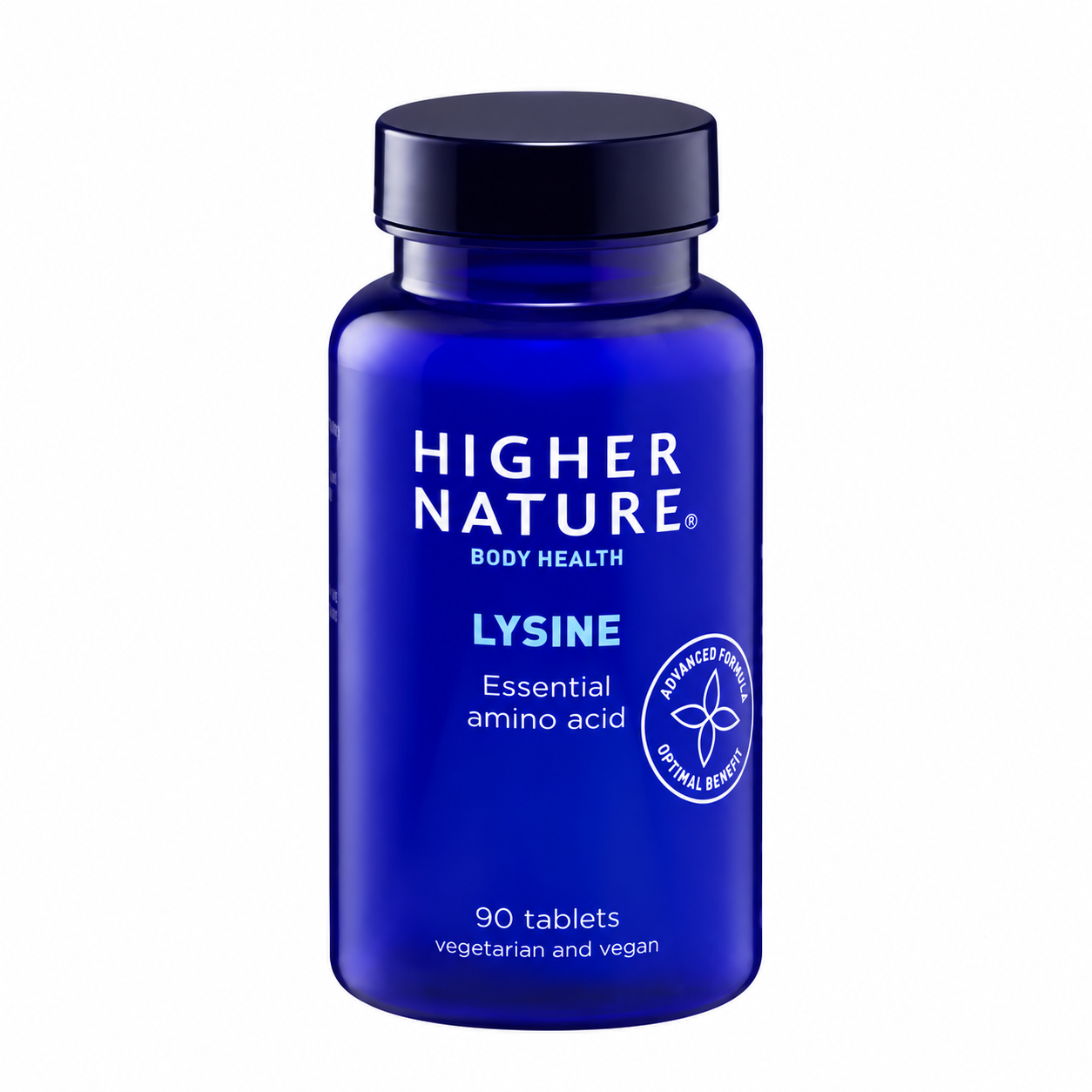
L-Lysine 500mg | Collagen Production, Skin Health, Connective Tissue Strength & Cellular Repair
L-Lysine is one of the nine essential amino acids that the human body cannot manufacture, making a consistent dietary supply fundamental to healthy cellular function, structural integrity and protein metabolism. Its importance extends far beyond muscle development, playing a critical role in collagen production, skin maintenance and the formation of connective tissues throughout the body. Collagen is the most abundant structural protein in the human body, providing strength and organisation to the skin, tendons, ligaments, cartilage and bones. Lysine is particularly important because specific Lysine residues within collagen undergo enzymatic modification and contribute to the cross-linking processes that give collagen fibres their mechanical strength and stability. Adequate Lysine availability therefore helps support the body's normal collagen synthesis and tissue maintenance. It is also involved in general protein production, making it valuable for maintaining muscle tissue and supporting the body's natural recovery processes. For individuals interested in skin longevity, connective tissue resilience, active ageing and nutritional optimisation, L-Lysine represents a foundational amino acid rather than a superficial beauty ingredient.
One of the most widely researched applications of L-Lysine concerns its relationship with Arginine and recurrent cold sores caused by Herpes Simplex Virus Type 1 (HSV-1). Arginine is involved in numerous biological processes, including protein synthesis, nitric oxide production and cellular metabolism, and has also been investigated in relation to viral replication. This has led researchers to explore whether Lysine supplementation fights the frequency or severity of recurrent cold sores. Lysine is a precursor in the body's production of Carnitine, a compound essential for transporting long-chain fatty acids into mitochondria, where they can be used in energy metabolism. Lysine also contributes to the synthesis of enzymes, hormones and other functional proteins involved in normal physiology. Its role as an essential amino acid makes it especially relevant when dietary protein intake is inadequate or when the amino acid composition of the diet is unbalanced. Certain grain-based proteins contain relatively low proportions of Lysine, making adequate intake an important consideration for people following predominantly plant-based diets.
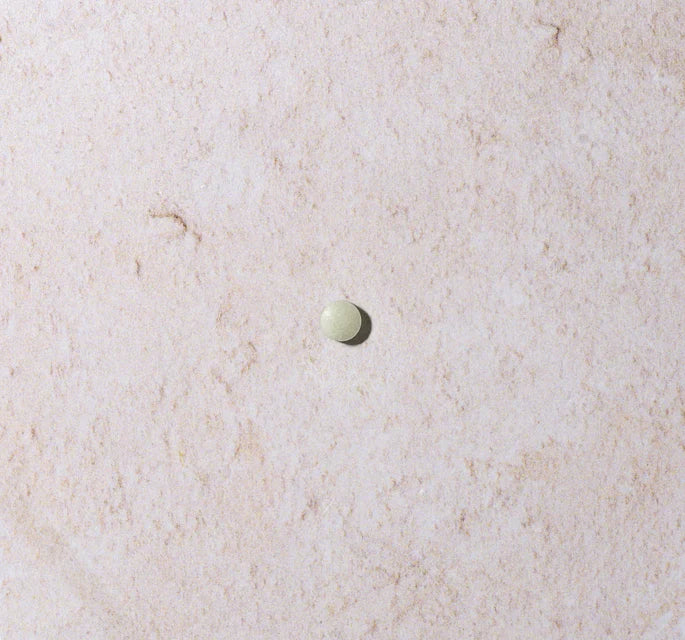
This premium L-Lysine supplement provides 500mg of L-Lysine Hydrochloride per tablet in a convenient free-form amino acid formulation suitable for vegetarians and vegans. Free-form amino acids do not require the same initial digestive breakdown as amino acids bound within whole dietary proteins, making them a practical way to provide a measured quantity of a specific amino acid. L-Lysine is particularly valuable as part of a nutritional approach focused on collagen formation, skin and connective tissue maintenance, normal protein synthesis and long-term structural wellbeing. It complements a protein-rich diet by providing a targeted source of an amino acid required for numerous essential biological processes. Whether your priority is supporting healthy skin, maintaining tendons and ligaments, optimising amino acid nutrition or exploring the research surrounding recurrent cold sores, L-Lysine provides a scientifically relevant foundation for cellular and connective tissue health. An essential nutrient with a remarkably broad role in human physiology, supporting the structural proteins and metabolic processes that keep the body functioning at its best.
Q: Why is L-Lysine essential for collagen strength rather than simply collagen production?
A: L-Lysine contributes to collagen formation in two important ways. First, it provides an essential amino acid incorporated into newly synthesised collagen proteins. Second, specific Lysine residues undergo enzymatic modifications that help establish the cross-links responsible for collagen's tensile strength and structural stability. These cross-links are particularly important in tendons, ligaments, skin and bone. Without sufficient Lysine availability, normal collagen production and connective tissue maintenance can be compromised. This makes Lysine relevant not only to collagen quantity but also to the molecular architecture that gives connective tissues their mechanical resilience.
Q: How does L-Lysine influence collagen cross-linking and the structural integrity of connective tissue?
A: Collagen cross-linking is a biochemical process that strengthens the connections between collagen molecules. The enzyme lysyl oxidase, which requires copper, modifies selected Lysine and Hydroxylysine residues, allowing stable cross-links to form between collagen fibres. These structures contribute to the strength and durability of skin, tendons, ligaments and bone. Lysine provides the underlying amino acid substrate for this process. Adequate Lysine nutrition is therefore necessary for normal connective tissue formation, although taking additional Lysine does not automatically increase cross-linking in someone whose dietary intake is already sufficient.
Q: What is the relationship between L-Lysine, Hydroxylysine and healthy collagen formation?
A: Hydroxylysine is a modified form of Lysine found within collagen proteins. During collagen synthesis, certain Lysine residues are converted into Hydroxylysine through reactions involving lysyl hydroxylase enzymes, which require Vitamin C, iron and oxygen. Hydroxylysine contributes to collagen stability, glycosylation and the formation of specific cross-links. This makes Lysine an essential starting material for several stages of collagen maturation. Adequate dietary protein, Vitamin C and other supporting nutrients are all important for normal collagen production and connective tissue health.
Q: Can L-Lysine support skin firmness, elasticity and the visible signs of ageing?
A: Lysine is necessary for producing collagen and other structural proteins that contribute to normal skin integrity. Collagen provides much of the skin's tensile strength, while elastin and other extracellular matrix components contribute to flexibility and resilience. Maintaining adequate Lysine intake supports the body's ability to synthesise these proteins. However, there is limited clinical evidence that Lysine supplementation alone visibly reverses wrinkles, increases skin elasticity or restores age-related collagen loss in people who already consume sufficient protein. Its strongest value lies in supporting the nutritional foundations of healthy skin structure.
Q: Why is L-Lysine important for maintaining healthy tendons, ligaments and cartilage?
A: Tendons and ligaments depend heavily on collagen fibres to withstand mechanical forces, while cartilage contains a specialised extracellular matrix that provides structural support and resistance to compression. Lysine is an essential component of collagen synthesis and contributes to the formation of stable collagen cross-links. Maintaining adequate Lysine availability therefore supports normal connective tissue development and maintenance. This is particularly relevant to physically active individuals, older adults and anyone interested in long-term musculoskeletal health. Supplementation should complement sufficient protein intake and appropriate physical activity rather than replace them.
Q: Can L-Lysine help support tissue recovery after physical stress or exercise?
A: Physical activity creates demands for protein turnover, tissue maintenance and adaptation. Lysine is one of the essential amino acids required to manufacture new proteins, including those involved in muscle and connective tissue structure. Adequate Lysine availability supports normal protein synthesis during recovery. However, exercise recovery depends on the complete essential amino acid profile, total dietary protein, energy intake and training conditions. Additional Lysine alone has not been established as a way to accelerate injury healing or improve recovery when nutritional requirements are already met.
Q: How does L-Lysine contribute to muscle protein synthesis and the prevention of age-related muscle loss?
A: Muscle protein synthesis requires all nine essential amino acids, including Lysine. If one essential amino acid is insufficient, the body's ability to build new proteins may be limited even when other amino acids are available. This is particularly relevant to diets containing proteins with relatively low Lysine content. Maintaining sufficient essential amino acid intake supports muscle maintenance throughout adulthood and ageing. Nevertheless, Leucine has a more directly established role in signalling muscle protein synthesis, and Lysine supplementation alone has not been proven to prevent sarcopenia. Resistance training and adequate complete protein remain central to preserving muscle mass.
Q: Why is L-Lysine particularly important in plant-based and grain-heavy diets?
A: Lysine is often the limiting essential amino acid in cereal grains such as wheat and rice. This means the proportion of Lysine relative to other essential amino acids can restrict the overall nutritional quality of a protein source. Legumes, including lentils, beans and soy, generally provide higher Lysine concentrations and can complement grain-based diets. A well-planned vegan diet can supply sufficient Lysine without supplementation, but individuals relying heavily on grains and consuming limited legumes may benefit from reviewing their amino acid intake. Targeted Lysine supplementation can provide a measured additional source where dietary intake is inadequate.
Q: What makes free-form L-Lysine different from Lysine obtained through dietary protein?
A: In whole foods, Lysine is incorporated into proteins that must first be broken down by digestive enzymes before individual amino acids can be absorbed. Free-form L-Lysine is supplied as an individual amino acid and does not require this initial protein digestion. This allows it to be absorbed through intestinal amino acid transport systems. However, faster availability does not necessarily translate into superior health outcomes. Whole protein foods provide a broad spectrum of essential amino acids and other nutrients, while free-form Lysine offers a convenient way to supplement one specific amino acid.
Q: How does L-Lysine contribute to the body's production of Carnitine and mitochondrial energy metabolism?
A: Carnitine is synthesised in the body through a series of biochemical reactions involving Lysine-derived compounds and Methionine. Vitamin C, iron, Vitamin B6 and Niacin also participate in different stages of Carnitine production. Carnitine helps transport long-chain fatty acids into mitochondria, where they can undergo beta-oxidation and contribute to energy production. Lysine is therefore an important precursor in a pathway linked to normal energy metabolism. However, taking additional Lysine does not necessarily increase Carnitine concentrations or improve energy levels when Lysine intake and Carnitine metabolism are already adequate.
Q: Can L-Lysine improve fat metabolism by increasing the availability of Carnitine?
A: Lysine contributes to endogenous Carnitine synthesis, and Carnitine is necessary for transporting long-chain fatty acids into mitochondria for oxidation. This biochemical relationship is well established. However, the body's production of Carnitine is tightly regulated and depends on several nutrients and metabolic processes. There is insufficient evidence that supplementing Lysine alone increases fat oxidation, accelerates weight loss or improves exercise performance in otherwise healthy individuals. Its role is best understood as providing an essential precursor for normal metabolism rather than acting as a direct fat-burning ingredient.
Q: What is the scientific relationship between L-Lysine, Arginine and the Herpes Simplex Virus?
A: The relationship between Lysine and Arginine has attracted scientific interest because Arginine is required for numerous cellular processes and has been implicated in Herpes Simplex Virus replication in laboratory research. This led to the hypothesis that increasing Lysine intake might influence the availability or utilisation of Arginine and potentially affect recurrent cold sores.
Q: Can L-Lysine reduce the frequency of recurrent cold sores?
A: I would consider it a major tool in this health goal.
Q: Does L-Lysine help shorten the duration of an existing cold sore outbreak?
A: Same answer as above
Q: Is the Lysine-to-Arginine ratio in the diet important for people prone to cold sores?
A: The dietary Lysine-to-Arginine ratio has been discussed in relation to recurrent cold sores because both amino acids participate in protein metabolism and share aspects of intestinal and cellular transport. I think it's a powerful supplement to take.
Q: Can L-Lysine support calcium absorption and bone health?
A: Lysine has been investigated for its potential influence on calcium metabolism, including intestinal absorption and urinary calcium handling. Some experimental and small human studies have suggested that Lysine may affect calcium balance under particular conditions. However, evidence that Lysine supplementation independently increases bone mineral density or prevents osteoporosis is insufficient. Its established contribution to bone health is through its essential role in protein synthesis and collagen formation, which supports the organic framework of bone. Calcium, Vitamin D, adequate protein and weight-bearing exercise remain fundamental to skeletal health.
Q: Why is collagen quality just as important as calcium for long-term bone strength?
A: Bone is a composite tissue consisting of a mineral phase, primarily calcium phosphate, embedded within an organic matrix rich in Type I Collagen. The mineral component contributes hardness, while collagen helps provide flexibility and resistance to fracture. Lysine is required for collagen synthesis and contributes to the cross-linking processes that support the integrity of this organic framework. Adequate Lysine intake therefore forms part of the nutritional foundation for normal bone structure. However, bone strength also depends on mineral availability, hormonal regulation, physical loading and overall nutritional status.
Q: How does L-Lysine interact with Vitamin C during collagen production?
A: Vitamin C is required for enzymes that hydroxylate selected Proline and Lysine residues during collagen synthesis. These modifications are important for normal collagen maturation and stability. Lysine provides an essential amino acid incorporated into collagen, while Vitamin C supports the enzymatic processes needed to produce properly structured collagen fibres. This creates a complementary nutritional relationship, although taking the two together has not been proven to produce additional collagen beyond normal physiological requirements in well-nourished individuals. Adequate intake of both nutrients is important for healthy connective tissue.
Q: What role does Copper play alongside L-Lysine in connective tissue strength?
A: Copper is a cofactor for lysyl oxidase, the enzyme responsible for initiating important collagen and elastin cross-linking reactions. Lysine residues within these structural proteins provide substrates for the enzyme, allowing stable connections to form between protein molecules. This process contributes to the mechanical strength and resilience of connective tissues. Both adequate Lysine availability and normal Copper status are therefore relevant to connective tissue biology. However, excessive Copper supplementation is not beneficial and may be harmful; maintaining adequate nutritional intake is the appropriate objective.
Q: Can L-Lysine support healthy skin during periods of increased physical or environmental stress?
A: Skin is continuously exposed to environmental conditions, friction, ultraviolet radiation and normal biological turnover. Maintaining its structure requires ongoing synthesis of proteins, including collagen and other components of the extracellular matrix. Lysine supplies an essential amino acid for these processes and contributes to normal tissue maintenance. While sufficient Lysine intake is important for skin health, supplementation has not been proven to protect against ultraviolet damage or accelerate recovery from environmental injury. Sun protection, adequate nutrition and appropriate skincare remain essential.
Q: Does L-Lysine have a role in supporting immune system function?
A: The immune system depends on the continuous production of proteins, including antibodies, receptors, enzymes and signalling molecules. Lysine is an essential amino acid required for normal protein synthesis, making adequate intake important for immune cell development and function. However, this does not mean that additional Lysine directly stimulates immunity or improves resistance to infection in people who already obtain sufficient protein. Its principal contribution is nutritional: ensuring the body has the essential amino acids needed to maintain normal cellular and immune processes.
Q: What is the relationship between L-Lysine, protein turnover and healthy ageing?
A: Human tissues undergo continuous protein turnover, with older proteins being broken down and replaced through new synthesis. This process is essential for maintaining muscle, connective tissue, enzymes and numerous cellular structures. Lysine must be supplied through the diet because the body cannot manufacture it. Adequate intake supports normal protein renewal throughout life, particularly when maintaining muscle and connective tissue becomes increasingly important with age. However, Lysine is not an established anti-ageing treatment, and additional supplementation has not been shown to extend lifespan or reverse biological ageing.
Q: Can L-Lysine influence stress responses or psychological wellbeing?
A: Lysine has been investigated in relation to stress responses, including studies examining dietary Lysine availability and combinations of Lysine with Arginine. Some research has reported changes in perceived stress or physiological markers under specific circumstances. However, these findings are preliminary and do not establish Lysine as a treatment for anxiety or a reliable method of lowering cortisol. Its primary established role remains that of an essential amino acid required for protein synthesis and normal metabolism. Any psychological effects require further investigation.
Q: Why is L-Lysine Hydrochloride commonly used in amino acid supplements?
A: L-Lysine Hydrochloride is a stable salt form of Lysine widely used in nutritional supplements. It provides Lysine in a form that can be manufactured consistently and absorbed through the digestive system. Once consumed, the Lysine component becomes available for normal amino acid metabolism and protein synthesis. The hydrochloride designation refers to the chemical salt form rather than an additional active ingredient. When comparing products, it is important to distinguish the weight of L-Lysine Hydrochloride from the quantity of elemental L-Lysine supplied, as these figures are not chemically identical.
Q: Is 500mg of L-Lysine a meaningful supplemental amount?
A: A 500mg tablet provides a measured additional source of an essential amino acid that is normally obtained through dietary protein. The significance of this amount depends on the individual's total Lysine intake, dietary protein quality and nutritional requirements. Clinical studies investigating specific applications, including recurrent cold sores, have used a range of doses, frequently higher than 500mg daily. There is no universally established optimal supplemental dose for collagen enhancement, skin ageing or general wellbeing. The most appropriate intake depends on dietary adequacy and the manufacturer's recommended directions.
Q: Why should I invest in L-Lysine 500mg for long-term structural and cellular health?
A: The body's structural integrity depends on the continuous availability of essential amino acids. L-Lysine is indispensable for collagen synthesis, normal connective tissue formation, muscle protein production and the maintenance of numerous functional proteins throughout the body. Its involvement in collagen cross-linking makes it particularly relevant to skin, tendons, ligaments and bone, while its contribution to Carnitine synthesis connects it to normal mitochondrial fatty acid metabolism. L-Lysine has also attracted scientific interest for its potential relationship with recurrent cold sores, although clinical findings remain mixed. This convenient free-form amino acid supplement provides a targeted way to increase Lysine intake when dietary supply is insufficient. For individuals focused on protein nutrition, skin integrity, connective tissue maintenance and healthy ageing, L-Lysine offers a scientifically grounded nutritional foundation built around one of the body's nine essential amino acids.
Other Ingredients: Zein protein coating, microcrystalline cellulose, bulking agent: microcrystalline cellulose, anti-caking agents: silicon dioxide, magnesium stearate.
Thanks for subscribing!
This email has been registered!