Currency
Currency


Couldn't load pickup availability
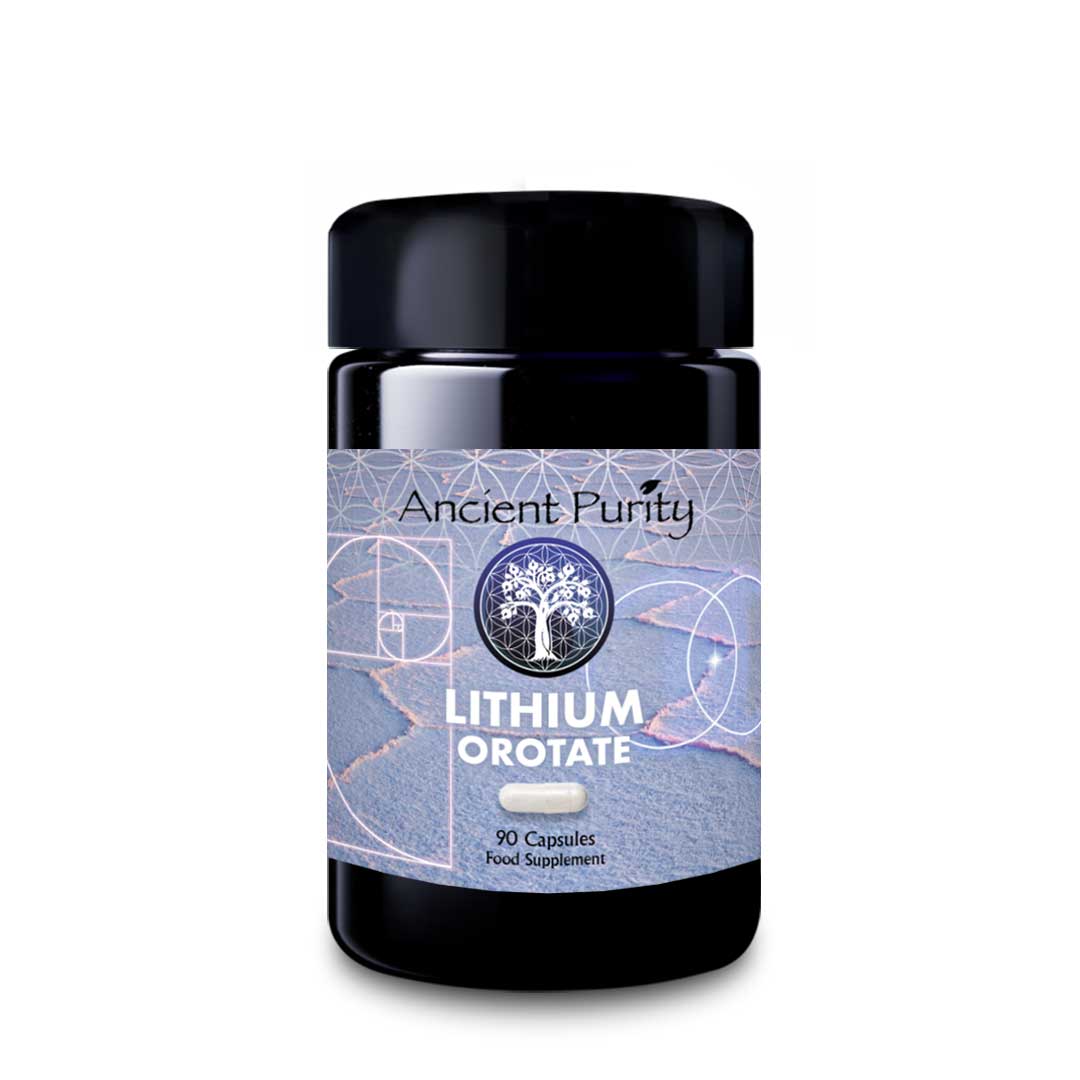
Lithium Orotate | Trace Mineral Support for Brain Health, Cognitive Function & Cellular Balance
Lithium is often associated with pharmaceutical medicine, yet it is also a naturally occurring trace mineral present in soil, drinking water and everyday foods. At the nutritional level, Lithium has attracted growing interest among researchers and biohackers exploring the relationship between mineral status, neurological function and long-term cellular health. Research into Lithium's biological activity has identified interactions with pathways involved in neuronal signalling, GSK-3 regulation, cellular stress responses and neuroplasticity. These mechanisms have made Lithium an intriguing subject in the wider study of brain ageing and neurological resilience. Lithium Orotate combines Lithium with Orotic Acid, an organic compound, providing a source of elemental Lithium in a form widely used in nutritional supplements.
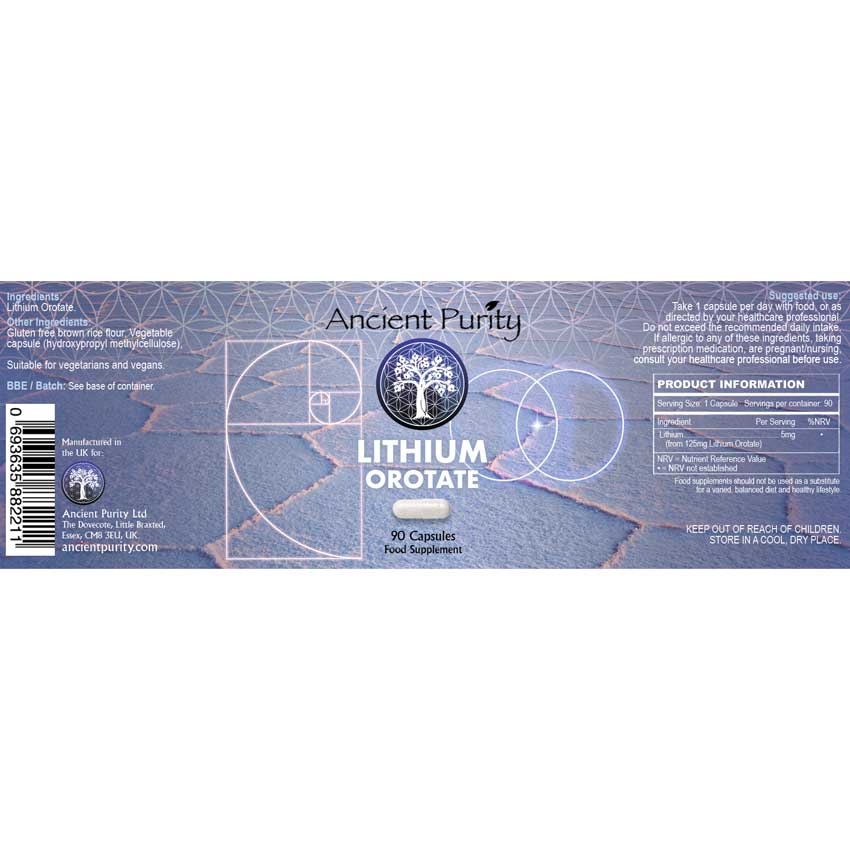
For those who take supplementation seriously, ingredient quality, transparency and formulation simplicity matter. This Lithium supplement provides Lithium Orotate as its source of elemental Lithium, alongside gluten-free brown rice flour and a plant-based hypromellose capsule. The formulation avoids complicated proprietary blends and makes it easy to identify exactly which form of Lithium is being supplied. Its straightforward composition makes it appealing to individuals who prefer clearly identified ingredients, measured mineral intake and minimalist supplementation. The result is a focused formula built around one distinctive trace mineral rather than an overloaded combination of ingredients.
Lithium occupies an unusual position in nutritional science. It occurs naturally in the human diet, interacts with important cellular mechanisms and continues to generate scientific interest in areas ranging from neuronal signalling to longevity. For knowledgeable supplement users interested in trace mineral research, brain health, cellular signalling and the science of longevity, Lithium Orotate represents a distinctive area of nutritional exploration. This clean, uncomplicated formulation provides a measured source of Lithium for those who have considered its suitability as part of a wider wellness routine.
Q: What is Lithium Orotate and how does it differ from other forms of Lithium?
A: Lithium Orotate is a compound formed from elemental Lithium and Orotic Acid, a naturally occurring organic substance. It is used in nutritional supplements as a source of Lithium. Unlike prescription Lithium Carbonate or Lithium Citrate, Lithium Orotate is generally marketed in much smaller elemental quantities.
Q: Why is Lithium attracting attention in the biohacking and longevity communities?
A: Lithium has attracted interest because of its interactions with cellular pathways involved in neurological signalling, neuroplasticity, cellular stress responses and ageing biology. Researchers have investigated Lithium's influence on GSK-3, autophagy and other mechanisms associated with neuronal health.
Q: How does Lithium influence GSK-3 and why is this important?
A: Glycogen Synthase Kinase-3 (GSK-3) is an enzyme involved in cellular signalling, metabolism, neuronal function and inflammation. Lithium can inhibit GSK-3 through several mechanisms, making this pathway an important focus of neurological research.
Q: Can Lithium Orotate support neuroplasticity?
A: Neuroplasticity describes the brain's ability to adapt, reorganise connections and respond to learning and experience. Lithium has been investigated for its effects on signalling pathways associated with neuronal survival, synaptic function and neuroplasticity.
Q: What is the relationship between Lithium and BDNF?
A: Brain-Derived Neurotrophic Factor (BDNF) is a protein involved in neuronal survival, synaptic plasticity and learning. Experimental studies have explored whether Lithium influences BDNF expression and related neurological pathways.
Q: Is Lithium naturally present in the human diet?
A: Yes. Lithium occurs naturally in soil, groundwater and various foods, including grains, vegetables and mineral-rich drinking water. The amount consumed varies considerably according to geography, agricultural conditions and water sources.
Q: What is the difference between Lithium Orotate and elemental Lithium?
A: Lithium Orotate refers to the complete compound containing Lithium and Orotic Acid. Elemental Lithium describes the actual amount of Lithium provided by that compound. These measurements are not interchangeable. For example, 125mg of Lithium Orotate may supply approximately 5mg of elemental Lithium, depending on the precise chemical form and specification. Elemental Lithium is the more useful figure when comparing different Lithium products.
Q: Does Orotic Acid improve the delivery of Lithium into the brain?
A: Orotic Acid has been proposed as a carrier that could influence Lithium distribution, and some early experimental research has explored this possibility.
Q: Can Lithium Orotate support memory, focus and cognitive performance?
A: Lithium has been investigated in relation to neurological signalling, cognition and brain ageing.
Q: What is the connection between Lithium and healthy brain ageing?
A: Researchers have examined Lithium's relationship with pathways implicated in neuronal survival, protein regulation, cellular stress and age-associated neurological changes. Observational studies have also investigated naturally occurring Lithium in drinking water.
Q: Can Lithium influence autophagy and cellular recycling?
A: Autophagy is the process through which cells break down and recycle damaged or unnecessary components. Experimental research suggests that Lithium can influence certain pathways involved in autophagy, including mechanisms associated with inositol signalling.
Q: What is the relationship between Lithium and mitochondrial function?
A: Mitochondria generate much of the energy required for cellular activity. Laboratory research has explored Lithium's effects on mitochondrial signalling, oxidative stress and cellular resilience.
Q: Does Lithium have antioxidant properties?
A: Lithium is not a conventional antioxidant like Vitamin C. However, experimental research has examined its influence on oxidative stress pathways, cellular signalling and antioxidant defence mechanisms.
Q: How does Lithium relate to inflammation and neurological health?
A: Lithium has been studied for its effects on intracellular pathways involved in inflammatory signalling, including GSK-3-related mechanisms. Some laboratory findings suggest that Lithium can alter the activity of inflammatory mediators.
Q: Can Lithium Orotate help with mood balance or emotional resilience?
A: Prescription Lithium has a well-established medical role in treating certain mood disorders, but that evidence relates to specific medicines, doses and clinical monitoring. It cannot be used to establish that low-dose Lithium Orotate improves everyday mood, emotional resilience or stress tolerance.
Q: Can Lithium Orotate affect thyroid function?
A: Lithium exposure can influence thyroid physiology, particularly at pharmaceutical doses, and may contribute to changes in thyroid hormone regulation. The risks associated with low-dose Lithium Orotate are less well characterised. Anyone with an existing thyroid condition or taking thyroid medication should obtain professional advice before supplementation.
Q: Why is kidney function important when considering Lithium supplementation?
A: Lithium is eliminated primarily through the kidneys. Reduced kidney function can affect Lithium clearance and increase the possibility of accumulation. Dehydration, significant changes in sodium balance and certain medications may also alter Lithium handling. Individuals with kidney disease or impaired kidney function should avoid self-prescribing Lithium supplements.
Q: Can Lithium Orotate interact with medications?
A: Yes. Lithium can interact with medicines that affect kidney function or Lithium clearance, including certain diuretics, ACE inhibitors, angiotensin receptor blockers and non-steroidal anti-inflammatory drugs such as Ibuprofen. People taking prescription Lithium or other regular medication should seek advice from a pharmacist or clinician before adding Lithium Orotate.
Q: Does dietary sodium intake affect Lithium levels?
A: Sodium balance can influence how the kidneys handle Lithium. Significant sodium restriction, dehydration or excessive fluid loss may increase Lithium retention, particularly during prescription treatment. Although the effects at nutritional doses are less well documented, maintaining normal hydration and avoiding abrupt changes in sodium intake is sensible when considering Lithium supplementation.
Q: Can Lithium Orotate be combined with Magnesium, Zinc or other trace minerals?
A: Lithium Orotate is sometimes included in broader mineral and biohacking routines alongside Magnesium, Zinc and other nutrients. However, there is insufficient clinical evidence to establish specific synergistic benefits from these combinations. Supplement compatibility should be assessed according to the complete formulation, individual health circumstances and any medications being taken.
Q: Is Lithium Orotate suitable for long-term daily supplementation?
A: Long-term clinical safety data for low-dose Lithium Orotate remain limited. Anyone considering extended use should discuss the decision with a qualified healthcare professional, particularly if they have thyroid or kidney concerns, take regular medication or use other products containing Lithium. Periodic clinical monitoring may be appropriate depending on individual circumstances.
Other Ingredients: Gluten free brown rice flour, vegetable capsule (hydroxypropyl methylcellulose)
Thanks for subscribing!
This email has been registered!