Currency
Currency


Couldn't load pickup availability
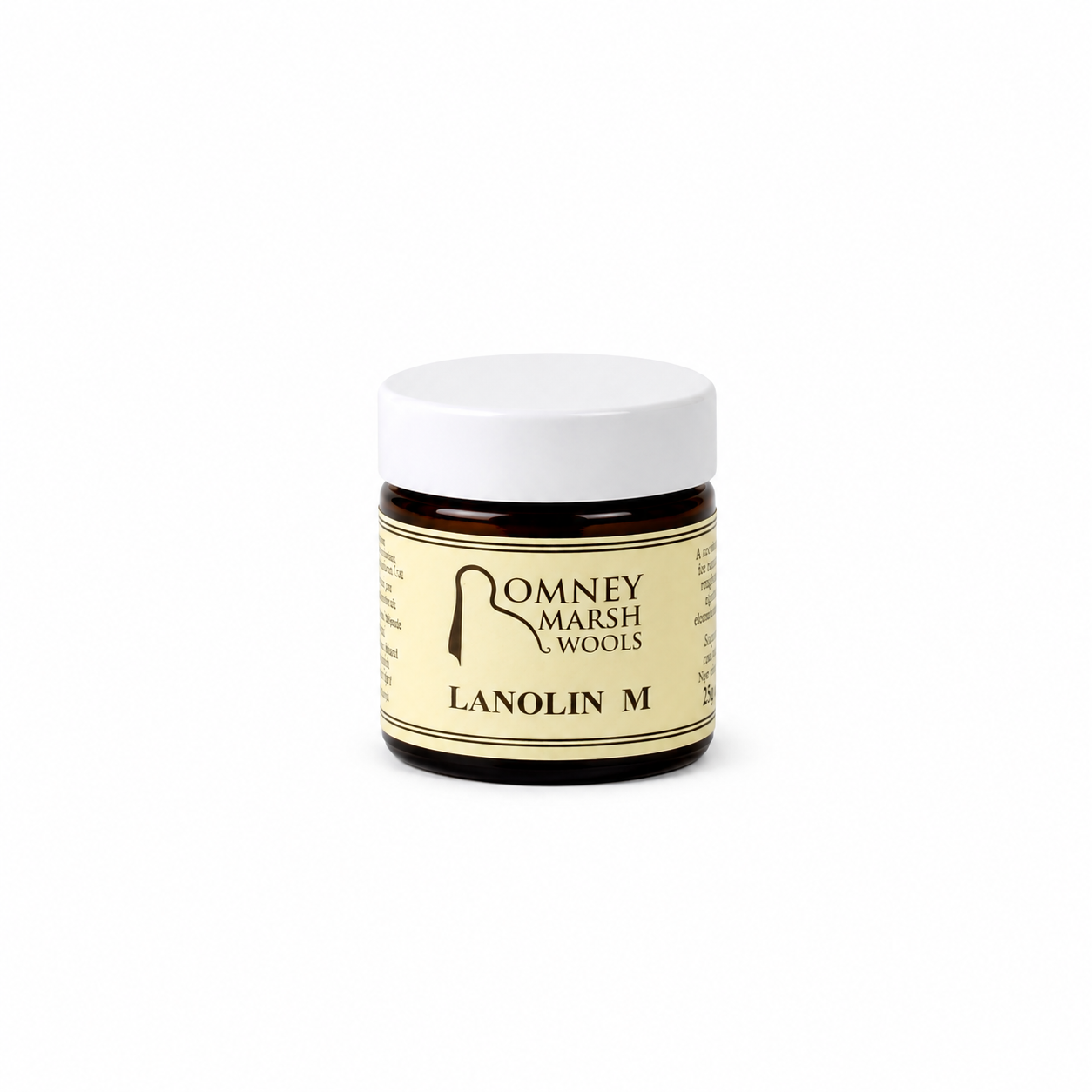
Lanolin Moisturiser | Intensive Skin Repair, Deep Hydration, Skin Barrier Protection & Natural Wool Fat
Healthy skin is far more than a cosmetic concern. As the body's largest organ, the skin provides an essential protective barrier against environmental stress, moisture loss, friction and external irritants. When this barrier becomes compromised through cold weather, frequent washing, harsh soaps, dry indoor air or natural ageing, the skin loses its ability to retain moisture efficiently. This can lead to roughness, tightness, flaking, cracking and persistent discomfort. Luxury Lanolin M Repair Cream provides intensive, targeted nourishment using one of nature's most effective moisture-retaining substances. Lanolin is a complex natural wax derived from sheep's wool, valued for its remarkable ability to soften skin and form a protective, water-resistant barrier. Unlike lightweight moisturisers that may provide only temporary comfort, this rich, concentrated formulation helps seal moisture into the outer layers of the skin, reducing further dehydration while improving softness, suppleness and flexibility. Particularly valuable for dry hands, weather-exposed skin, rough heels, elbows, cuticles and lips, it delivers lasting protection exactly where the skin needs it most.
The effectiveness of Lanolin lies in its unique composition of wax esters, sterol esters, fatty alcohols and other naturally occurring lipids. These compounds give Lanolin its exceptional emollient and occlusive properties, allowing it to spread across the skin and help reduce transepidermal water loss, the continuous evaporation of moisture through the epidermis. By limiting this moisture loss, Lanolin helps maintain hydration within the stratum corneum, the outermost layer of skin responsible for much of its barrier function. Well-hydrated skin is more flexible, less prone to roughness and better able to tolerate everyday mechanical stress. Lanolin also has an affinity for water, making it particularly useful in formulations designed to retain moisture and condition damaged-feeling skin. Its protective properties are especially valuable for areas exposed to repeated washing, friction, cold temperatures and low humidity. For those focused on skin longevity, maintaining an effective moisture barrier is fundamental to preserving healthy skin texture, comfort and resilience. Rather than simply masking dryness, Lanolin helps create the conditions in which the skin's natural barrier can function more effectively.
Luxury Lanolin M Repair Cream combines carefully selected moisturising ingredients with premium-quality purified wool fat to deliver concentrated, long-lasting skin conditioning. The Lanolin used is selected for its purity and quality, with preservative-free wool fat forming the foundation of this deeply nourishing formulation. Naturally rich and substantial, only a small amount is required to cover dry or vulnerable areas, making it an exceptionally economical addition to a daily skincare routine. Warm a little between the fingertips and massage gently into the skin, particularly after handwashing, bathing or before exposure to cold and windy conditions. Its versatility makes it suitable for everyday skin maintenance as well as more intensive care for stubborn dry patches, rough heels, chapped lips and hardworking hands. Produced without animal testing, this is traditional skin nourishment refined through careful ingredient selection. No complicated skincare rituals or unnecessary promises, just the remarkable protective properties of natural Lanolin, delivering moisture retention, lasting softness and dependable skin comfort.
Q: How does Lanolin restore the skin's natural moisture barrier at a biological level?
A: The outermost layer of skin, known as the stratum corneum, consists of specialised cells surrounded by a complex lipid matrix that regulates hydration and protects against environmental stress. When this protective structure becomes depleted, moisture escapes more rapidly, causing dryness, tightness, roughness and increased sensitivity. Lanolin contains a sophisticated mixture of wax esters, sterols, fatty alcohols and fatty acids that soften the skin while forming a protective lipid-rich layer. By reducing transepidermal water loss, Lanolin helps maintain the hydration necessary for normal barrier function, improving skin flexibility, softness and resilience.
Q: Why is transepidermal water loss one of the most important factors in skin ageing and chronic dryness?
A: Transepidermal water loss, commonly abbreviated to TEWL, describes the continuous movement of water through the epidermis into the surrounding environment. Although some water loss is normal, excessive TEWL indicates that the skin's protective barrier may be compromised. This contributes to dehydration, rough texture, visible fine lines and reduced skin flexibility. Lanolin acts as an occlusive moisturiser, forming a protective layer that slows water evaporation. Maintaining hydration helps the skin remain supple and comfortable, making effective moisture retention an important part of long-term skin maintenance.
Q: What makes Lanolin's lipid composition particularly compatible with human skin?
A: Lanolin is chemically complex, containing hundreds of naturally occurring lipid compounds, including wax esters, sterols, sterol esters and fatty alcohols. Human skin also depends on an organised lipid environment to maintain its protective barrier. Although Lanolin is not chemically identical to human sebum, some of its lipid characteristics make it highly effective as an emollient and moisture-protective ingredient. Its ability to spread across the skin, soften rough areas and retain moisture explains its long history in intensive skincare formulations.
Q: How does Lanolin influence the stratum corneum and the skin's extracellular lipid matrix?
A: The stratum corneum is often described as a brick-and-mortar structure, with corneocytes forming the bricks and intercellular lipids acting as the mortar. This arrangement is essential for preventing excessive water loss and maintaining an effective protective barrier. Lanolin helps condition the outer skin surface and provides an additional moisture-resistant lipid layer. By reducing dehydration, it helps maintain the flexibility of the stratum corneum and supports the conditions required for normal barrier recovery. This is particularly valuable when repeated washing, friction or environmental exposure has left skin dry and uncomfortable.
Q: Can Lanolin support skin barrier recovery after repeated handwashing and exposure to detergents?
A: Frequent handwashing and contact with detergents can remove surface lipids and disturb the skin's natural protective barrier. Over time, this may increase transepidermal water loss, causing tightness, flaking, roughness and painful dryness. Lanolin provides concentrated emollient and occlusive protection, helping replace the feeling of lost surface lubrication while reducing further moisture evaporation. Applied after washing, it helps maintain skin softness and flexibility, making it particularly valuable for healthcare workers, gardeners, tradespeople and anyone whose hands experience repeated environmental stress.
Q: Why is Lanolin particularly effective for severely dry heels, rough elbows and hardened skin?
A: Areas such as heels, elbows and knuckles experience repeated mechanical pressure and friction, which can contribute to thickened, dry skin. When the outer skin layers lose moisture, they become less flexible and more prone to developing roughness and superficial fissures. Lanolin forms a substantial protective layer that helps retain moisture and soften hardened skin. With consistent application, improved hydration can make these areas feel smoother and more supple. For particularly dry heels, applying Lanolin after bathing and covering the feet with cotton socks can help maintain prolonged contact with the moisturiser.
Q: How does Lanolin compare with Hyaluronic Acid for deep skin hydration?
A: Lanolin and Hyaluronic Acid work through fundamentally different moisturising mechanisms. Hyaluronic Acid is a humectant, meaning it attracts and binds water within the skin's surface layers. Lanolin functions primarily as an emollient and occlusive ingredient, helping prevent existing moisture from escaping. While Hyaluronic Acid contributes to water retention, Lanolin provides a protective lipid barrier that limits evaporation. These complementary mechanisms explain why combining humectants with protective emollients can be particularly effective for dry skin. Lanolin is especially valuable when the primary problem is excessive moisture loss rather than simply insufficient surface hydration.
Q: Can Lanolin work alongside Ceramides to support skin barrier integrity?
A: Ceramides are essential components of the skin's intercellular lipid matrix, alongside cholesterol and free fatty acids. Together, these substances help maintain the organised barrier that prevents excessive water loss. Lanolin does not replace the skin's natural ceramides directly, but its emollient and occlusive properties complement ceramide-based skincare by helping retain moisture. A routine combining barrier-supporting ingredients with a protective Lanolin moisturiser may be particularly useful for persistently dry skin. The key is supporting both the lipid environment and the skin's ability to maintain adequate hydration.
Q: Why does skin become increasingly dry with age, and how can Lanolin help?
A: Ageing is associated with changes in epidermal lipid production, skin barrier recovery, sebaceous activity and the skin's ability to maintain hydration. These changes can contribute to dryness, roughness and increased vulnerability to environmental conditions. Lanolin helps compensate for reduced surface moisture protection by forming a lipid-rich barrier that limits evaporation and improves skin softness. While it cannot reverse biological ageing or restore youthful collagen production, maintaining adequate hydration can improve the appearance of dehydration-related fine lines and help ageing skin remain comfortable, flexible and resilient.
Q: Does Lanolin help protect skin against cold weather, wind and low humidity?
A: Cold weather and low humidity increase the environmental conditions that encourage moisture evaporation from exposed skin. Wind can intensify discomfort, particularly when the skin barrier is already compromised. Lanolin creates a protective, water-resistant surface layer that helps reduce moisture loss and shields vulnerable areas from direct environmental exposure. This makes it especially useful for lips, hands, cheeks and other exposed areas during winter. Applying a small amount before going outdoors can provide additional protection, while regular use helps maintain softness throughout periods of harsh weather.
Q: Can Lanolin help reduce the appearance of fine lines caused by dehydration?
A: Dehydrated skin often develops a creased, less supple appearance because the outer layers contain insufficient moisture. By reducing water loss and improving surface hydration, Lanolin can temporarily plump and soften the appearance of fine lines associated with dryness. Its emollient properties also smooth rough surface texture, helping skin appear healthier and more comfortable. However, Lanolin does not directly stimulate collagen synthesis or reverse structural wrinkles caused by ageing and ultraviolet exposure. Its principal cosmetic advantage is maintaining the hydration and flexibility that contribute to smoother-looking skin.
Q: What is the relationship between Lanolin, skin elasticity and mechanical resilience?
A: Skin elasticity depends on structural proteins such as collagen and elastin, alongside adequate hydration of the epidermis and dermis. When the outer skin becomes excessively dry, it loses flexibility and may feel tight or become more susceptible to superficial cracking. Lanolin helps maintain moisture within the stratum corneum, improving the pliability of the skin surface. This makes dry skin feel more flexible and comfortable during movement. Although Lanolin does not rebuild elastin or collagen fibres, its ability to maintain surface hydration is valuable for everyday mechanical resilience.
Q: Can Lanolin support the recovery of dry, cracked skin without relying on aggressive exfoliation?
A: Dry, cracked-looking skin often reflects a combination of insufficient hydration, accumulated surface cells and reduced flexibility of the stratum corneum. Aggressive exfoliation can sometimes worsen dryness by disturbing an already weakened barrier. Lanolin takes a different approach, softening the outer skin layers and reducing further moisture loss. This helps improve comfort and allows superficial roughness to become more manageable. For dry, intact skin, consistent moisturising may be preferable to repeatedly stripping away protective surface lipids. Deep, bleeding or infected cracks require more than cosmetic moisturisation.
Q: How does Lanolin compare with Petroleum Jelly and synthetic occlusive moisturisers?
A: Petroleum Jelly is a highly effective occlusive moisturiser and remains one of the strongest ingredients for reducing transepidermal water loss. Lanolin offers a different natural lipid composition, combining emollient properties with water-binding and water-resistant characteristics. Its wax esters, sterols and fatty alcohols provide a rich conditioning texture that many people find particularly useful for rough, weather-exposed skin. Both ingredients can support moisture retention, but neither is universally superior. Lanolin appeals especially to those seeking a naturally derived wool wax with a long history of traditional skincare use.
Q: Why can Lanolin retain moisture so effectively despite being naturally water-resistant?
A: Lanolin possesses an unusual combination of water-resistant and water-absorbing properties. Its complex lipid structure allows it to form a protective hydrophobic layer while certain components can incorporate water into stable mixtures. This makes Lanolin valuable in concentrated ointments and water-in-oil skincare formulations. On the skin, its primary benefit is limiting moisture evaporation while softening the outer epidermal layers. The combination of protective film formation and emollient conditioning explains why a relatively small quantity can provide substantial moisturising benefits.
Q: Can Lanolin help maintain the skin's acid mantle and natural microbiological defences?
A: The skin's acid mantle is a mildly acidic surface environment that contributes to normal enzyme activity, barrier function and the regulation of resident microorganisms. Healthy skin also depends on intact physical structures and sufficient hydration to maintain its protective capabilities. Lanolin supports this environment indirectly by reducing excessive moisture loss and helping preserve the integrity of the outer skin barrier. It is not an antimicrobial treatment and does not independently restore skin pH, but maintaining a comfortable, well-hydrated skin surface is an important part of overall skin health.
Q: Why is skin barrier health important for controlling irritation and environmental sensitivity?
A: The skin barrier regulates the movement of water out of the body while limiting contact with environmental irritants. When this barrier becomes compromised, substances that would normally cause little discomfort may trigger stinging, tightness or irritation. Lanolin helps protect the surface by providing a moisture-resistant emollient layer, reducing dryness and supporting barrier comfort. This makes it useful for skin affected by environmental exposure and frequent washing. However, Lanolin itself can cause contact allergy in some individuals, particularly those with pre-existing dermatitis, so suitability depends on individual skin tolerance.
Q: Can Lanolin be used as an intensive overnight treatment for hands and feet?
A: Overnight application is an effective way to give concentrated moisturisers prolonged contact with dry skin. Applying a thin layer of Lanolin to clean, slightly damp hands or feet before bed helps reduce moisture evaporation during the night. Cotton gloves or socks can help keep the product in place and protect bedding. This approach is particularly useful for rough heels, dry knuckles and weather-exposed hands. Regular overnight moisturising can gradually improve surface softness and flexibility, especially when combined with gentle cleansing and consistent daytime protection.
Q: Is Lanolin beneficial for dry cuticles, brittle-looking nails and the surrounding nail folds?
A: The cuticle and surrounding nail folds help protect the area where new nail growth begins. Frequent handwashing, detergents and low humidity can leave these tissues dry, rough and prone to splitting. Lanolin softens the cuticle area and forms a protective moisture-retaining layer, helping maintain flexibility and comfort. Massaging a small amount around the nails can be a useful part of daily hand care. While Lanolin does not directly accelerate nail growth, maintaining hydrated surrounding skin can improve the appearance and condition of the nail area.
Q: Why is Lanolin particularly valuable for dry lips compared with lightweight lip balms?
A: The lips have a relatively thin protective outer layer and lack the same sebaceous gland distribution found across much of the facial skin. This makes them particularly vulnerable to dehydration, cold weather and wind exposure. Lanolin's concentrated emollient and occlusive properties help reduce moisture evaporation while softening rough, chapped lips. Its substantial texture provides a protective coating that can be especially useful overnight or during winter. A small amount is usually sufficient, making Lanolin a practical multipurpose alternative to repeatedly applying lightweight lip products.
Q: What makes purified Lanolin different from raw wool grease?
A: Raw wool grease is collected during the washing and processing of sheep's wool and contains a complex mixture of naturally occurring lipids alongside impurities that must be removed before cosmetic use. Refining and purification produce Lanolin suitable for skincare manufacturing. The quality of this process influences colour, odour, consistency and the presence of residual contaminants. High-quality purified Lanolin retains the wax esters, sterols and other lipid compounds responsible for its moisturising properties. Purification is therefore an important consideration when selecting Lanolin for concentrated skin-conditioning formulations.
Q: Does Lanolin contain cholesterol and other sterols that are relevant to skin barrier biology?
A: Yes. Lanolin naturally contains cholesterol-related sterols and sterol esters as part of its complex lipid composition. Cholesterol is also one of the three major lipid classes found in the human stratum corneum, alongside ceramides and free fatty acids. These physiological lipids are essential for normal barrier organisation. Although applying Lanolin does not precisely replicate the skin's natural lipid matrix, its sterol-rich composition contributes to its distinctive emollient properties. This biochemical complexity is one reason Lanolin remains a valuable ingredient in traditional and modern moisturising formulations.
Q: Can Lanolin help protect skin exposed to repeated friction and mechanical stress?
A: Friction can contribute to surface irritation, dryness and discomfort, particularly when skin is already dehydrated. Lanolin's emollient properties reduce surface roughness and improve lubrication, while its protective coating helps limit moisture loss. This can be useful for hardworking hands, rough knuckles, heels and other areas exposed to regular movement or contact. Maintaining flexible, hydrated skin is particularly important where dryness makes the outer epidermis more susceptible to superficial cracking. Lanolin provides practical protection without requiring complicated skincare routines.
Q: How should Lanolin be combined with other skincare ingredients for maximum moisture retention?
A: An effective moisturising routine can combine ingredients that attract water, replenish surface lipids and reduce evaporation. Humectants such as Glycerin, Hyaluronic Acid and Urea help increase water availability within the outer skin layers, while Ceramides support the skin's natural lipid environment. Lanolin can be applied as a final protective layer to help retain moisture and improve surface softness. This approach is particularly useful for persistently dry skin, although the ideal combination depends on the individual's skin condition and the formulation being used.
Q: Why is consistent skin barrier protection more important than constantly changing skincare products?
A: The skin barrier depends on a stable balance of hydration, lipids and normal epidermal renewal. Frequent changes in skincare products, excessive cleansing and repeated exfoliation can disturb this balance, particularly in people with naturally dry or sensitive skin. A consistent moisturising routine helps maintain hydration and reduces repeated cycles of dryness and discomfort. Lanolin provides concentrated protection that can be incorporated into a simple daily routine, particularly after washing and before environmental exposure. Effective skincare often depends more on protecting normal skin physiology than introducing an ever-growing number of active ingredients.
Q: Why should I invest in Luxury Lanolin M Repair Cream?
A: Your skin is your body's first line of defence against environmental exposure, moisture loss and everyday physical stress. When its protective barrier becomes depleted, dryness, roughness, cracking and discomfort can follow. Luxury Lanolin M Repair Cream delivers concentrated nourishment using premium purified wool fat, naturally rich in wax esters, sterols and protective lipids. Its deeply conditioning formulation helps reduce transepidermal water loss, restore softness and maintain the flexibility of dry, hardworking skin. From cracked-looking heels and rough hands to dry cuticles, elbows and weather-exposed lips, one versatile moisturiser provides targeted care wherever it is needed. A little goes a long way, making it an economical addition to everyday skincare. Natural, concentrated moisture protection built around one of the most established ingredients in traditional skin care.
NOTE: I don't think you need it daily, 2 -3 times a week is powerful. It is ok for the face but it is more for hands, cuticles, heels, elbows, and lips, it can be used on the face as long as it is applied sparingly and does not come into contact with the eyes.
Thanks for subscribing!
This email has been registered!