Currency
Currency


Couldn't load pickup availability
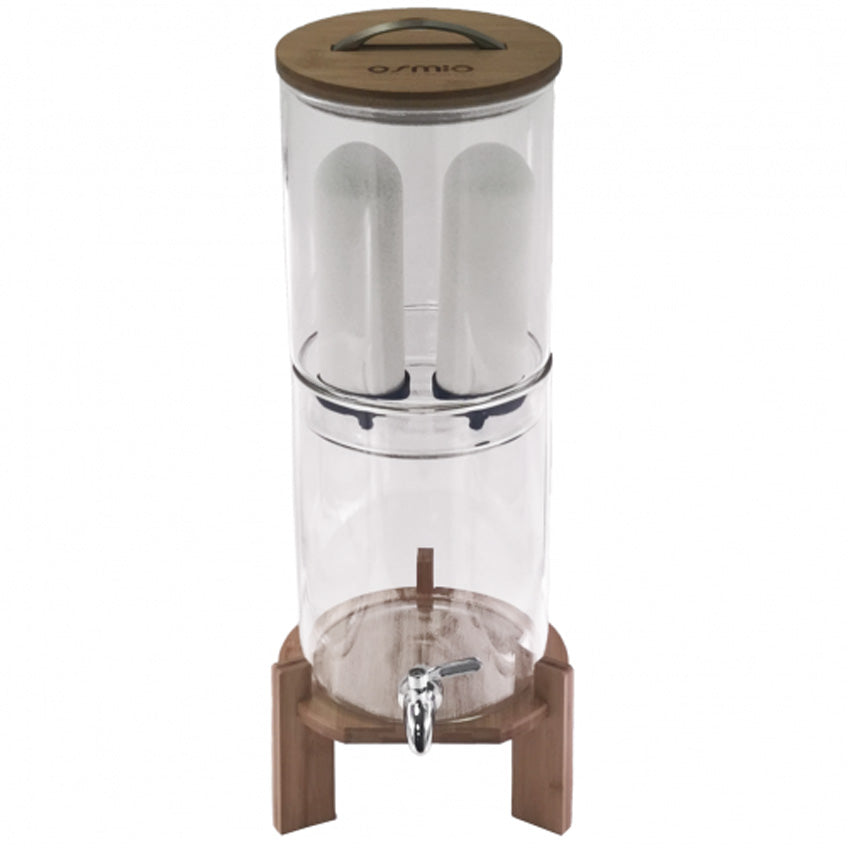
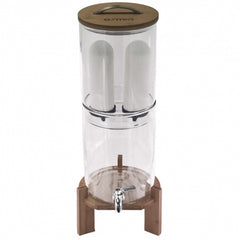
Clarity Gravity Water Filter System | Advanced Ceramic Filtration, Fluoride Reduction | Glass Housing / Natural Mango Wood
Clean drinking water is one of the most fundamental requirements for human health, yet water quality involves far more than appearance, taste or the absence of visible impurities. Modern water supplies can contain trace levels of heavy metals, disinfection by-products, agricultural chemicals, pharmaceutical residues, fluoride and other unwanted compounds. Conventional water treatment is essential for public health, but some dissolved substances may remain after treatment. The Clarity Gravity Water Filter System provides an additional level of filtration at home, using advanced ceramic technology designed to reduce a broad range of contaminants. Unlike basic water filter jugs that rely on relatively simple filtration media, Clarity combines high-performance ceramic filter elements with gravity-fed operation, delivering a practical approach to improving drinking water quality without electricity, complex installation or permanent plumbing.
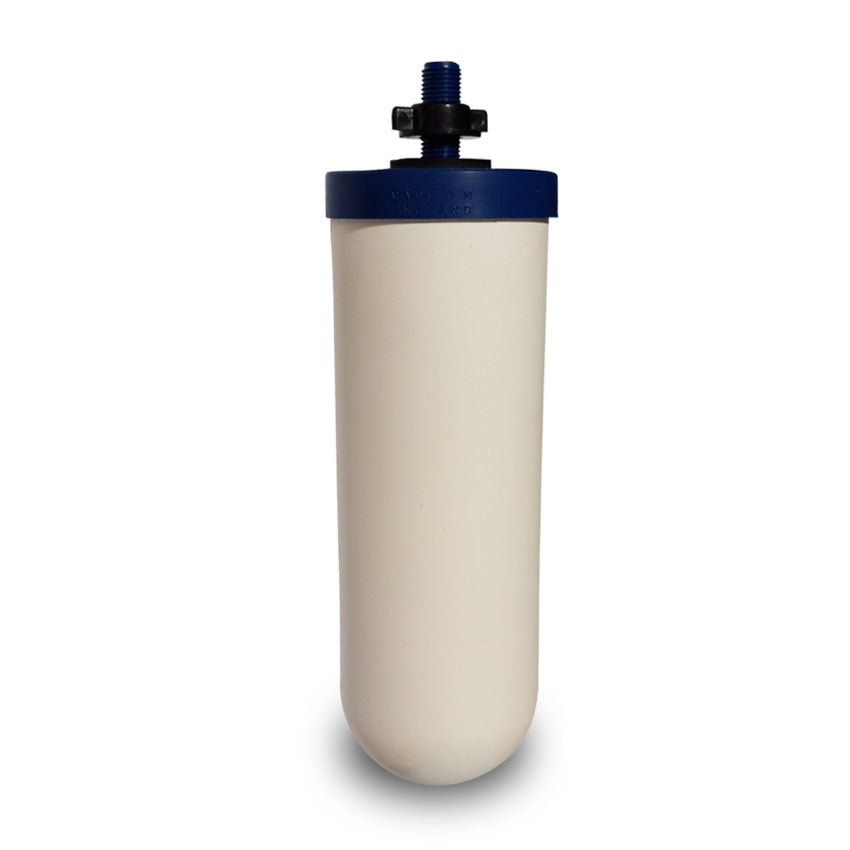
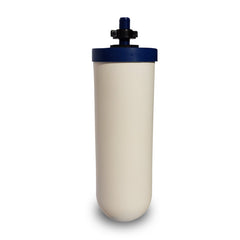
At the heart of the system are two Cerametix ceramic filter candles, engineered to combine specialist filtration materials with advanced ceramic manufacturing technology. Their filtration performance has been tested against a range of contaminants, including fluoride, certain heavy metals, chemical compounds and other substances of concern. Fluoride reduction is a particular strength, with reported reductions of up to 97% under specified test conditions. Unlike systems that require separate activated alumina fluoride cartridges, the Cerametix filters incorporate fluoride-reduction capability within the main filter elements, avoiding the need for additional plastic attachments inside the clean-water chamber. The ceramic filter surfaces can also be cleaned to help restore flow when sediment accumulates, extending their practical usefulness throughout the recommended service life. With two filters operating together, the system offers effective gravity-fed filtration while remaining straightforward to fill, maintain and operate.
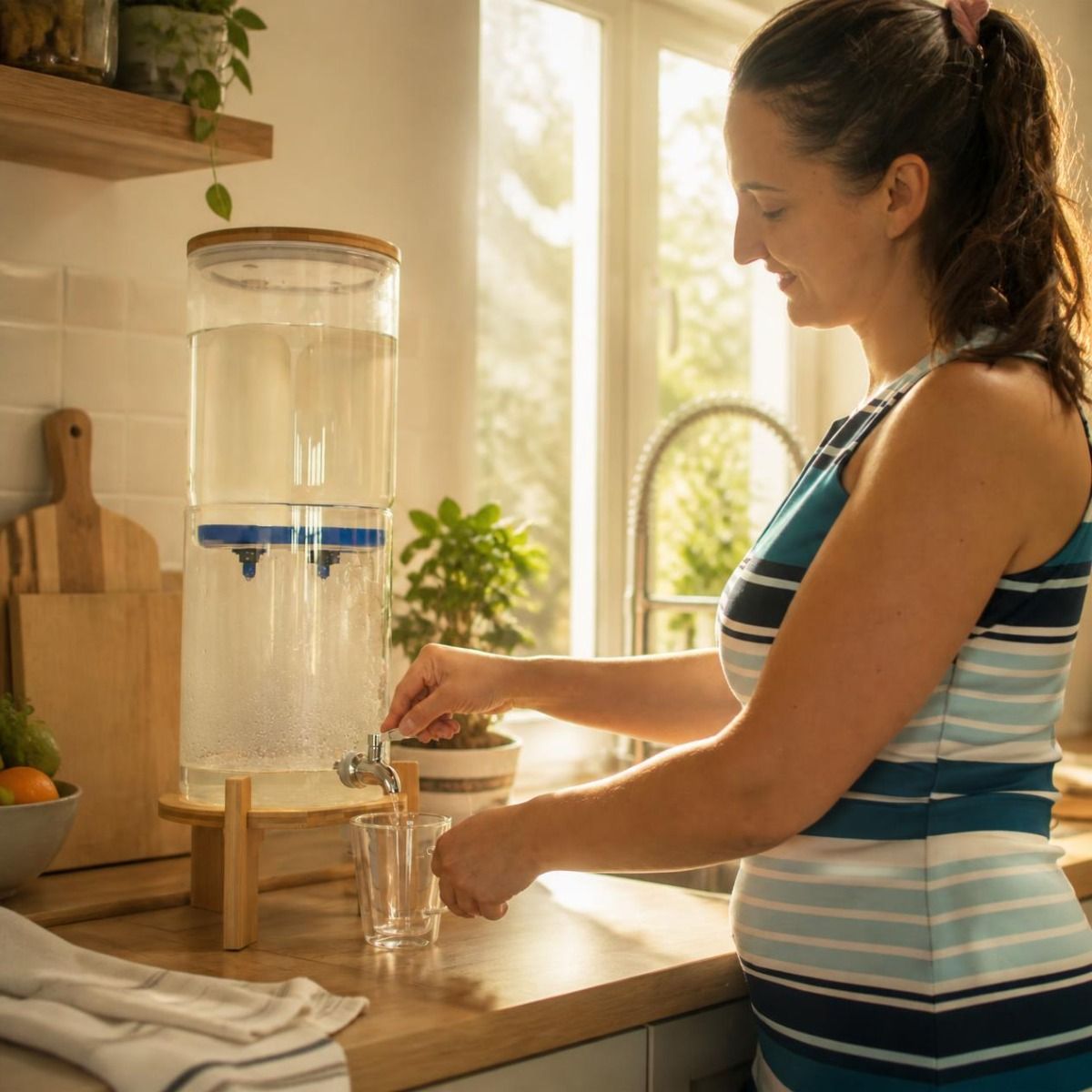
The Clarity System is designed around the principle that drinking water should have minimal unnecessary contact with plastic, particularly during storage. Its transparent glass housing provides an inert, non-porous surface that does not impart plastic-derived compounds to the water, while the natural Mango Wood stand and lid introduce warmth and simplicity to a functional everyday appliance. A durable 304 stainless steel dispensing tap completes the design, with silicone gaskets used where necessary to create a secure seal. Suitable for 1–4 users, the system comes complete with two ceramic filters, a stainless steel tap, Mango Wood stand and lid. Filters are generally replaced every six months, depending on water quality and usage. This is water filtration built around intelligent material selection, advanced contaminant reduction and long-term practicality, without unnecessary complexity or reliance on disposable plastic water bottles.
Q: Why should I invest in a Gravity Water Filter System?
A: Water is the most frequently consumed substance in your life, making its quality one of the most important foundations of long-term health. Every day, your body relies on water for cellular function, nutrient transport, circulation, temperature regulation and the removal of metabolic waste. Yet drinking water can contain unwanted substances including heavy metals, fluoride, chemical residues and emerging environmental pollutants. A high-performance Gravity Water Filter System provides an additional level of protection by reducing exposure to contaminants its filters are tested to remove. Unlike disposable plastic bottles or basic filter jugs, the Clarity System combines advanced ceramic filtration with glass storage, minimal plastic contact and reusable filter elements. No electricity, no complicated plumbing, just convenient access to filtered drinking water every day. Investing in better water quality is an investment in something your body depends on for every single day of your life.
Q: Can long-term exposure to contaminants in drinking water contribute to chronic disease?
A: Drinking water is a daily exposure pathway, making its chemical composition relevant to long-term health. Certain contaminants, including arsenic, lead and some industrial pollutants, have established associations with serious health outcomes when exposure is sufficiently high or prolonged. Depending on the substance, these can include neurological damage, cardiovascular disease, kidney dysfunction and increased cancer risk. Advanced water filtration can reduce exposure to specific contaminants when the filter has demonstrated effectiveness against them. The most important question is not simply how much water someone drinks, but what contaminants are present, at what concentrations and for how long.
Q: Why is cumulative exposure to low concentrations of water contaminants important for longevity?
A: Toxicology distinguishes between acute exposure, which occurs over a short period, and chronic exposure, which can continue for years or decades. Some substances are eliminated relatively quickly, while others, such as lead, can accumulate in body tissues. Repeated exposure may be particularly important for contaminants that damage cells, interfere with biological signalling or persist in the environment. Reducing unnecessary exposure is a rational long-term health strategy, although the health benefit depends on the actual contaminant, its concentration and the reduction achieved by filtration.
Q: Can drinking water contain endocrine-disrupting chemicals that interfere with hormonal signalling?
A: Certain environmental chemicals can interact with hormone receptors or interfere with hormone production, transport and metabolism. Examples include some pesticides, industrial compounds and substances used in plastics manufacturing. These are collectively studied as endocrine-disrupting chemicals. Their potential effects on reproductive development, thyroid function and metabolic regulation are important areas of toxicological research. Some advanced filtration media can reduce particular endocrine-active compounds, but no single filter should be assumed to remove every hormone-disrupting chemical. Performance must be evaluated against individual substances.
Q: How can heavy metals in drinking water affect the brain, nervous system and cognitive health?
A: Heavy metals and toxic elements can affect neurological function through several mechanisms, including interference with cellular signalling, oxidative damage and disruption of normal enzyme activity. Lead is especially concerning because exposure can impair neurological development in children, and no safe blood lead concentration has been identified. Arsenic exposure has also been associated with neurological and cardiovascular effects. Filtration capable of reducing these substances can be an important exposure-control measure where they are present. For anyone concerned about cognitive longevity, identifying and minimising established neurotoxic exposures is more meaningful than relying exclusively on supplements marketed for brain health.
Q: Could contaminated drinking water influence mitochondrial function and cellular energy production?
A: Mitochondria generate ATP through tightly regulated biochemical pathways. Certain toxic substances, including some heavy metals and industrial chemicals, can interfere with mitochondrial enzymes, increase oxidative stress or disrupt cellular energy metabolism at sufficient exposure levels. This is one reason environmental toxicology is relevant to cellular health. However, evidence of mitochondrial toxicity in laboratory experiments does not mean ordinary treated drinking water causes mitochondrial dysfunction. Appropriate filtration is most valuable when it reduces a contaminant present at a meaningful exposure level.
Q: Why should serious biohackers consider water quality alongside nutrition, sleep and supplementation?
A: Nutrition and supplementation focus largely on what enters the body to support normal physiology. Environmental health also considers exposures that may interfere with biological processes. Water quality is relevant because drinking water is consumed consistently throughout life and can be a source of both essential minerals and unwanted contaminants. A scientifically grounded optimisation strategy prioritises measurable risks, including lead, arsenic or other substances of local concern, before investing in speculative interventions. Effective filtration can form part of that strategy when its contaminant-reduction performance is independently supported.
Q: What makes fluoride reduction an important consideration in advanced water filtration?
A: Fluoride exposure is dose-dependent. At appropriate concentrations, fluoride helps protect teeth against decay, while excessive long-term exposure can cause dental fluorosis and, at substantially elevated levels, skeletal fluorosis. Research has also examined associations between higher fluoride exposure and childhood neurodevelopment, although findings cannot be automatically applied to every concentration found in drinking water. The Clarity System uses ceramic filtration technology with reported fluoride reductions of up to 97% under specified test conditions. This makes it relevant for individuals seeking greater control over their fluoride intake, particularly where local water concentrations are elevated.
Q: Why does fluoride concentration matter more than simply whether fluoride is present in water?
A: Biological effects depend on exposure, not merely the presence of a substance. Fluoride occurs naturally in some water sources and may also be added through public health fluoridation programmes. Total exposure depends on drinking water concentration, daily consumption and additional sources such as dental products and food. Higher exposure can create different risks from lower exposure. Understanding the concentration in a particular water supply is therefore essential when deciding whether fluoride reduction is a meaningful priority.
Q: Can advanced water filtration reduce exposure to pharmaceutical residues and synthetic hormones?
A: Trace residues of medicines and hormonally active substances have been detected in some aquatic environments and water supplies. Their presence can result from human excretion, wastewater discharge and incomplete removal during treatment. Although concentrations in treated drinking water are generally very low, their environmental persistence and potential biological activity remain subjects of research. Specialist filtration media may reduce certain pharmaceutical compounds, but performance varies considerably between substances. Claims of broad pharmaceutical or hormone removal should always be supported by testing that identifies the compounds and reduction percentages.
Q: What are the potential health implications of microplastics and nanoplastics in drinking water?
A: Microplastics and nanoplastics are increasingly studied because small plastic particles have been detected in water, food and human biological samples. Experimental research has investigated possible relationships with inflammation, oxidative stress and cellular interactions. However, the long-term health consequences of typical dietary and drinking water exposure remain uncertain. Filtration may reduce plastic particles depending on their size and the system's tested capabilities. Glass water storage also offers a practical way to minimise contact with plastic containers, although it cannot guarantee that filtered water is completely free of microplastics.
Q: Why is glass considered a valuable material for storing filtered drinking water?
A: Glass is chemically stable, non-porous and generally does not release the plastic additives or polymer particles associated with some plastic materials. This makes it an attractive material for people seeking to minimise unnecessary contact between drinking water and plastics. The Clarity System combines glass housing with a stainless steel dispensing tap and natural Mango Wood components, substantially limiting plastic contact within the storage system. Glass does not improve water purity by itself, but it helps preserve the benefits of filtration without introducing a conventional plastic storage reservoir.
Q: Can drinking water contaminants influence kidney health over time?
A: The kidneys continuously filter blood, regulate fluid and electrolyte balance and eliminate numerous metabolic waste products. Certain contaminants, including cadmium, lead and arsenic, can damage kidney tissue when exposure is sufficiently high or prolonged. Some chemicals may accumulate in renal structures or interfere with normal filtration and tubular function. Reducing exposure to established nephrotoxic substances is therefore relevant to long-term kidney protection. Water filtration can help when a system is verified to reduce the particular contaminants present, although it cannot reverse established kidney disease.
Q: How do PFAS forever chemicals differ from ordinary water contaminants?
A: Per- and polyfluoroalkyl substances, known as PFAS, are a large family of synthetic chemicals used in industrial and consumer applications. Some PFAS persist in the environment and human body, and certain compounds have been associated with adverse effects on cholesterol, immune responses, liver enzymes and other health outcomes. Their persistence makes drinking water contamination an important environmental health issue. Activated carbon, ion exchange and reverse osmosis technologies can reduce selected PFAS, depending on system design. Ceramic filtration alone does not establish PFAS removal, so specific laboratory performance data is essential before making that claim for any gravity filter.
Q: Can disinfection by-products in tap water create long-term health concerns?
A: Drinking water disinfection is one of the most important public health achievements because it prevents dangerous waterborne infections. However, disinfectants can react with naturally occurring organic matter to form disinfection by-products, including trihalomethanes and haloacetic acids. Long-term exposure to certain by-products has been associated with adverse health outcomes, including bladder cancer risk in some epidemiological studies. Water suppliers regulate and monitor these compounds, while suitable carbon-based filtration can reduce some of them. The goal is to maintain microbiological safety while minimising unnecessary chemical exposure.
Q: Why is water filtration relevant to oxidative stress and the body's antioxidant defence systems?
A: Oxidative stress occurs when reactive molecules exceed the capacity of cellular defence systems to manage them. Certain environmental contaminants can promote oxidative damage through metal-catalysed reactions, mitochondrial disruption or inflammatory signalling. The body relies on systems involving glutathione, superoxide dismutase and catalase to regulate these processes. Reducing significant exposure to contaminants capable of generating oxidative stress may lessen a source of biological burden. However, filtration should not be described as directly increasing antioxidant levels or reversing oxidative damage without supporting clinical evidence.
Q: Can drinking water contaminants affect the gut microbiome and intestinal barrier?
A: The gastrointestinal tract is directly exposed to substances consumed in drinking water. Experimental studies suggest that certain pollutants, heavy metals and microplastic particles can influence microbial communities, intestinal inflammation and epithelial barrier function under specific exposure conditions. Whether these findings translate into clinically meaningful effects at typical drinking water concentrations remains uncertain. Safe, appropriately treated water is essential for gut health, particularly because microbial contamination can cause serious gastrointestinal illness. Additional filtration may reduce selected chemical exposures, but it must never compromise microbiological safety.
Q: Is a gravity water filter capable of protecting against bacteria, parasites and other waterborne pathogens?
A: Ceramic filtration can physically retain certain microorganisms depending on pore structure, manufacturing quality and filter integrity. However, bacteria, protozoa and viruses differ considerably in size, and removal of one group does not establish protection against another. Gravity filtration should not automatically be considered sufficient to make untreated, contaminated or microbiologically unsafe water drinkable. Pathogen-reduction claims require specific testing and recognised performance standards. The Clarity System's suitability for microbiological treatment should be assessed using its published filter performance report.
Q: What is the difference between reducing contaminants and producing genuinely safe drinking water?
A: Water safety is determined by a combination of microbiological quality, chemical composition and compliance with appropriate drinking water standards. A filter may substantially reduce one contaminant while having little effect on another. For example, a system effective against fluoride may not necessarily remove nitrates, dissolved salts, viruses or every industrial chemical. This is why serious water quality assessment focuses on contaminant-specific testing rather than general promises of purity. The most reliable filtration strategy matches a system's verified capabilities to the risks identified in the water supply.
Q: Why is activated alumina not essential for achieving fluoride reduction?
A: Activated alumina is an established adsorbent used in certain water treatment systems to reduce fluoride. Its performance depends on water chemistry, operating conditions and appropriate maintenance. Alternative technologies can also reduce fluoride through different filtration or adsorption mechanisms. The Cerametix filter elements are designed to provide fluoride reduction without requiring separate activated alumina cartridges. This simplifies the filtration arrangement and avoids additional plastic filter attachments within the clean-water chamber. However, activated alumina is not inherently unsafe when correctly manufactured and operated, and any claim of superior purity requires comparative testing.
Q: Why does filter maintenance matter for both chemical reduction and microbiological safety?
A: Filter performance changes over time as contaminants accumulate and filtration media approach their effective capacity. Ceramic surfaces may also become obstructed by sediment, reducing flow. Cleaning reusable ceramic filter candles can help restore water flow, but it does not necessarily regenerate exhausted chemical adsorption media. Poor maintenance may also encourage microbial growth in stored water or on wetted components. The Clarity System's filters are generally replaced every six months, with cleaning and maintenance carried out according to the manufacturer's instructions. Consistent maintenance is essential for preserving intended filtration performance.
Q: Can a gravity filter remove limescale while preserving beneficial minerals?
A: Limescale primarily results from dissolved calcium and magnesium salts, which contribute to water hardness. These minerals are not inherently harmful and also contribute to dietary mineral intake. The Clarity System is designed primarily for contaminant reduction rather than water softening, with approximately 30% limescale reduction reported under some conditions. Actual results depend on the source water. For consumers interested in mineral balance, the distinction between removing unwanted contaminants and stripping dissolved minerals is important when comparing gravity filtration with technologies such as reverse osmosis.
Q: Is filtered water automatically healthier than reverse osmosis water?
A: Not necessarily. Reverse osmosis uses a semipermeable membrane to reduce a broad range of dissolved contaminants, including many salts, metals and other substances. Gravity systems use different filtration mechanisms and may retain more of the original dissolved mineral content. Neither approach is universally superior. Reverse osmosis may be appropriate where dissolved contaminants require substantial reduction, while a gravity filter may offer convenience, portability and minimal installation. The best choice depends on the water analysis, treatment objectives and independently verified filtration performance.
Q: Why is water quality particularly important during pregnancy and early childhood?
A: Developing nervous systems and organs can be more vulnerable to certain environmental contaminants. Lead exposure is a major concern because it can affect neurological development even at relatively low levels. Excessive arsenic exposure and other established toxicants also present developmental risks. Appropriate water testing and verified contaminant reduction can therefore be especially important in households with pregnant women, infants and young children. Where lead contamination or other serious water quality problems are identified, filtration should be selected according to certified performance rather than broad marketing claims.
Q: Could advanced water filtration be one of the most important investments in preventative health?
A: Where drinking water contains harmful contaminants, reducing exposure can be an extremely valuable preventative measure. The public health benefits of safe drinking water are firmly established, particularly in preventing infectious disease and toxic exposure. For people whose tap water already meets stringent safety standards, the additional health benefit of filtration may be smaller and depends on the substances present. The strongest case for advanced filtration is therefore not that every water supply is dangerous, but that verified contaminant reduction offers greater control over a fundamental daily exposure.
Q: Why should water filtration performance reports matter more than marketing claims?
A: A credible filtration performance report identifies the contaminants tested, their starting concentrations, the concentrations remaining after filtration and the conditions under which testing occurred. Percentage reduction alone can be misleading without this context. Testing should also consider filter lifespan, flow rate and performance under realistic water conditions. Independent laboratory testing and recognised certification standards provide stronger evidence than unsupported claims of total purification. For serious health optimisation, measurable contaminant reduction is far more meaningful than descriptions such as pure, energised or toxin-free water.
Gravity filter System Size
Filters Information
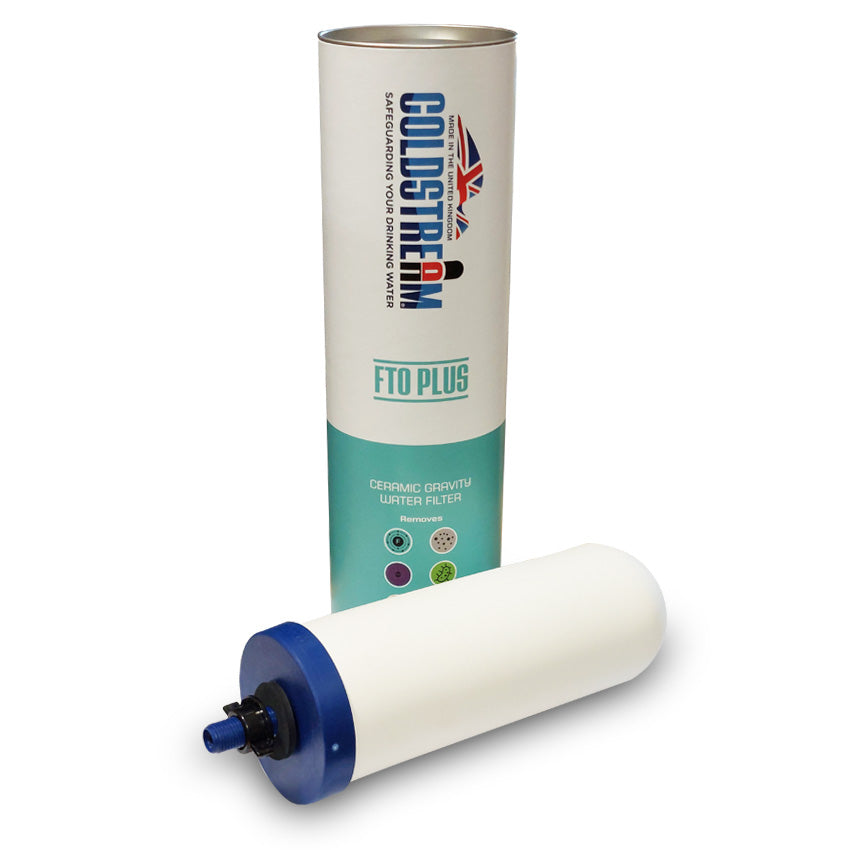
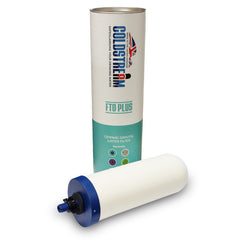
Coldstream FTO Plus Ceramic Gravity Water Filters – Technical Specifications
Model: Coldstream FTO Plus (FTO+) Ceramic Gravity Water Filters
Pack Size: 4 Filters
Filter Dimensions: 2.9" × 8"
Filter Type: Gravity-Fed Ceramic Filtration
The Coldstream FTO Plus uses advanced ceramic filtration technology designed to reduce a broad range of unwanted contaminants found in drinking water.
Microbiological Contaminants
Chemicals and Environmental Contaminants
Heavy Metals
Reduction percentages are supplied performance figures and may vary depending on water quality, contaminant concentration and operating conditions.
Each ceramic filter has natural variations in water flow due to its ceramic structure and manufacturing characteristics.
Individual filters may operate slightly faster or slower without indicating a fault.
Coldstream FTO Plus filters are compatible with the following gravity water filtration housings:
NSF/ANSI 42 Certified
NSF/ANSI 42 certification addresses specified aesthetic performance and material safety requirements within the scope of the certification. It does not establish that every contaminant listed above is removed or that absolutely no substances can migrate from filter materials.
Filter Parameters: Bacteria, E. coli, Chlorine, Sediments, Nitrates, Fluoride, Hormones, Pharmaceuticals and Heavy Metals.
The filter parameters describe the contaminants associated with the product. Individual reduction percentages for nitrates, hormones, pharmaceuticals and sediments have not been provided and should be verified against the manufacturer's performance report.
Thanks for subscribing!
This email has been registered!