Currency
Currency


Couldn't load pickup availability
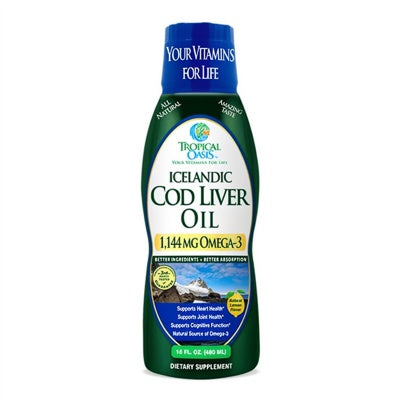
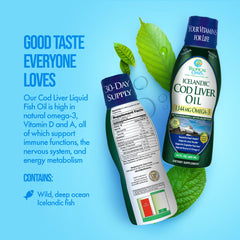
Icelandic Cod Liver Oil | High-Strength Omega-3, EPA, DHA, Brain Health & Cellular Vitality
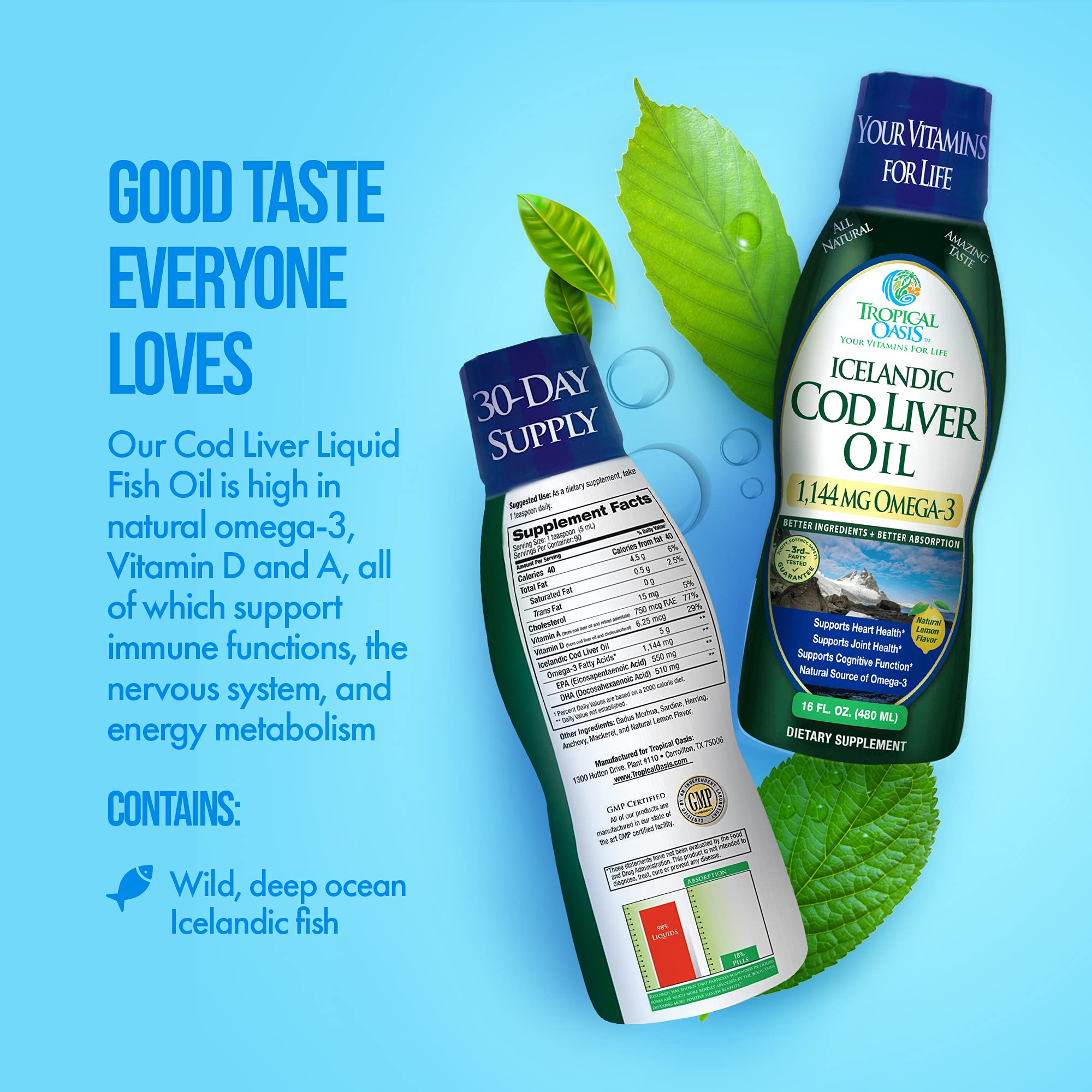
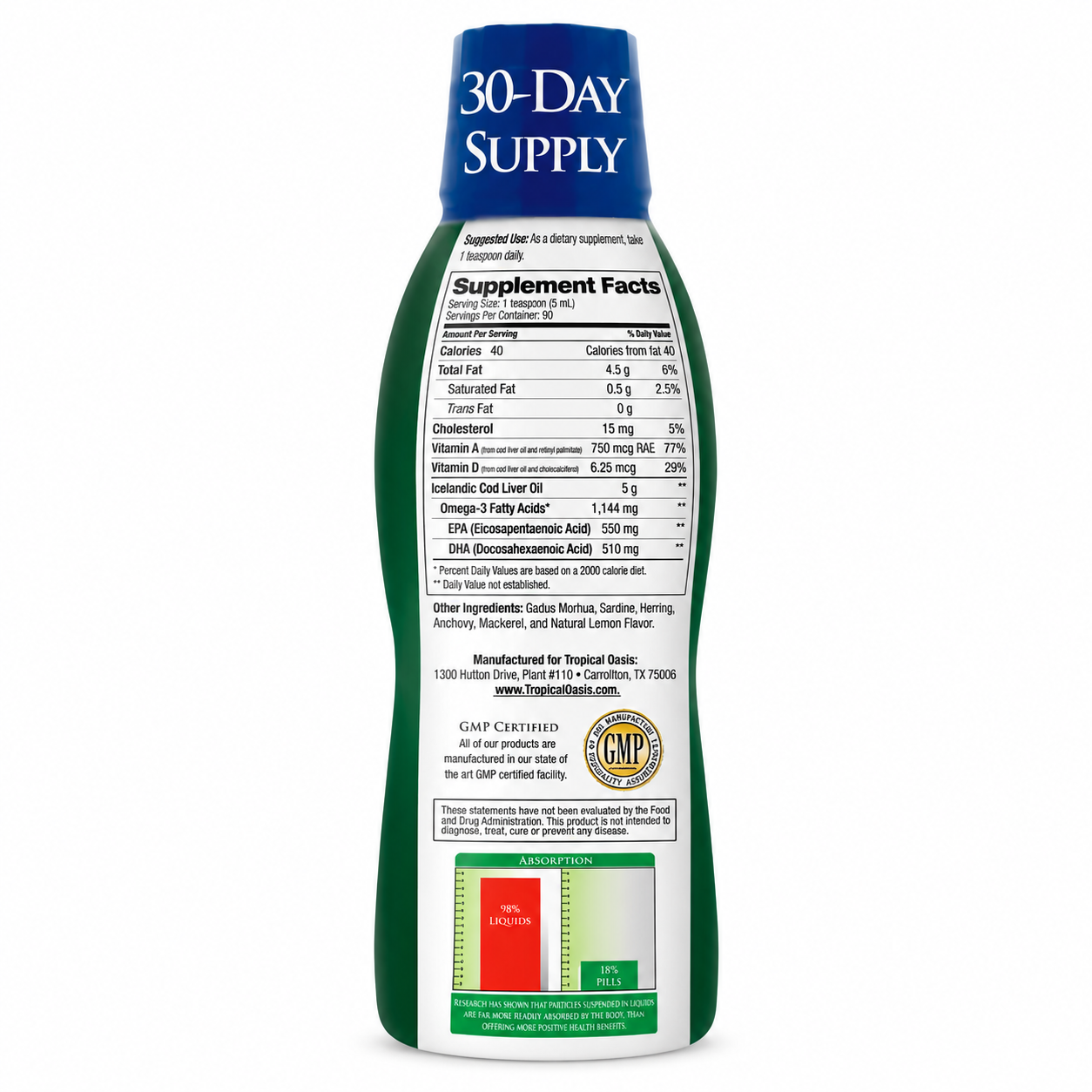
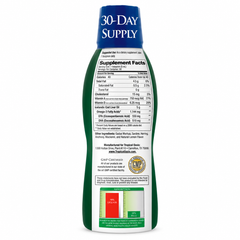
Omega-3 fatty acids are among the most biologically important fats in human nutrition, influencing everything from the structure of brain cells to cardiovascular function and the regulation of inflammatory signalling. Unlike many nutrients that act primarily as metabolic cofactors, EPA (Eicosapentaenoic Acid) and DHA (Docosahexaenoic Acid) become incorporated into the phospholipid membranes of cells throughout the body, helping determine their physical properties and influencing how they communicate and respond to their environment. DHA is especially concentrated in the brain and retina, where its unique molecular structure contributes to membrane flexibility, neuronal organisation and the function of specialised signalling proteins. The brain depends on highly organised lipid membranes to maintain synaptic communication, electrical activity and neurotransmitter function, making DHA an essential structural component of normal neurological physiology. EPA performs a different but equally fascinating role, participating in the production of specialised lipid mediators involved in the body's inflammatory response. Both EPA and DHA serve as precursors to resolvins and related compounds involved in the active resolution of inflammation, an important process that helps tissues return towards normal function following an inflammatory response. With 1,144mg of total Omega-3 fatty acids per serving, including 550mg EPA and 510mg DHA, this concentrated liquid formula provides a substantial daily supply of these marine nutrients. Rather than focusing exclusively on one aspect of health, it offers nutritional support for multiple interconnected biological systems, including the heart, brain, nervous system and the cellular processes underlying long-term vitality.
The cardiovascular benefits of marine Omega-3 fatty acids extend beyond the familiar concept of consuming healthy fats. EPA and DHA contribute to normal heart function, while higher intakes have been investigated for their effects on circulating triglycerides, vascular physiology and inflammatory pathways. These fatty acids become incorporated into the membranes of cardiac and vascular cells, where they influence membrane composition and participate in biochemical signalling. Their involvement in the formation of specialised pro-resolving mediators has also attracted considerable scientific interest, particularly in understanding how the body regulates and resolves inflammatory activity. For the brain, DHA is especially significant because neuronal membranes require a distinctive fatty acid composition to maintain their structure and function. DHA accounts for a substantial proportion of the polyunsaturated fatty acids found in certain brain regions and is particularly abundant in synaptic membranes, where communication between nerve cells takes place. It is also concentrated in the photoreceptor membranes of the retina, explaining its fundamental importance to visual function. This makes marine Omega-3 nutrition relevant not only to cardiovascular wellbeing but also to individuals interested in cognitive longevity, neurological resilience and maintaining healthy vision as they age. Importantly, EPA and DHA are not interchangeable: they have overlapping but distinct physiological roles, making a formulation that provides substantial quantities of both particularly appealing. By supplying more than 1,000mg of combined EPA and DHA per serving, this formula delivers a meaningful amount of the two principal long-chain marine Omega-3 fatty acids in a convenient daily format.
Traditional Cod Liver Oil has long been valued for offering more than Omega-3 fatty acids alone. Its distinctive nutritional profile includes Vitamins A and D, two fat-soluble nutrients involved in several essential physiological processes. Vitamin A contributes to normal vision, immune system function, cellular differentiation and the maintenance of normal skin and mucous membranes. Vitamin D supports the absorption and utilisation of calcium and phosphorus, helping maintain normal bones, teeth and muscle function while contributing to normal immune system activity. Together, these nutrients complement the structural and signalling functions of EPA and DHA, creating a broader nutritional profile than an Omega-3-only supplement. Each serving provides 750µg of Vitamin A and 6.25µg of Vitamin D alongside its concentrated marine fatty acids. This combination is particularly relevant for individuals who want to approach nutritional health through several interconnected systems rather than relying on isolated ingredients. The liquid format also offers practical advantages, allowing the daily serving to be taken directly or incorporated into a suitable cold food or drink without the inconvenience of swallowing multiple softgels. Natural lemon flavour provides a fresher taste experience, making regular use easier to incorporate into a consistent wellness routine. For those serious about brain nutrition, cardiovascular health, healthy ageing and the fundamental importance of cellular membrane integrity, this high-strength Icelandic Cod Liver Oil represents a comprehensive approach to marine nutrition. Concentrated EPA and DHA, complementary fat-soluble vitamins and the longstanding nutritional value of Cod Liver Oil combine in one sophisticated formula designed for those who understand that lasting health begins with the nutrients supporting the body's most essential biological functions.
Q: Why are EPA and DHA considered essential for optimal brain function and neurological longevity?
A: EPA and DHA are long-chain Omega-3 fatty acids with distinct roles in neurological physiology. DHA is highly concentrated in neuronal membranes, where it contributes to membrane fluidity, synaptic organisation and efficient cellular signalling. EPA is less abundant in brain tissue but participates in inflammatory signalling pathways that influence the neurological environment. Together, these marine fatty acids support the structural and biochemical foundations of normal brain function, making them important nutrients for anyone interested in cognitive health and healthy ageing.
Q: What makes 1,144mg of Omega-3 per serving particularly significant?
A: The key consideration is not simply the quantity of fish oil consumed, but the actual concentration of EPA and DHA delivered. This formula provides 550mg EPA and 510mg DHA per serving, totalling 1,060mg of these two biologically important fatty acids. That is substantially more than the 250mg daily combined EPA and DHA intake associated with the authorised claim for normal heart function. A concentrated formula makes it easier to achieve a meaningful marine Omega-3 intake without consuming numerous capsules.
Q: What is the difference between EPA and DHA, and why should serious biohackers understand both?
A: EPA, or Eicosapentaenoic Acid, is particularly important as a precursor to lipid-signalling molecules involved in inflammatory regulation and resolution. DHA, or Docosahexaenoic Acid, is a major structural component of neuronal and retinal membranes, contributing to their physical properties and normal function. Both participate in complex signalling pathways, but their biological roles are not identical. A formula providing substantial quantities of both offers a broader marine fatty acid profile than products dominated by only one.
Q: What is the Omega-3 Index, and why is it more useful than simply tracking fish oil intake?
A: The Omega-3 Index measures EPA and DHA as a percentage of total fatty acids in red blood cell membranes. It provides an indication of longer-term Omega-3 status rather than simply recording how much fish oil someone takes. Researchers commonly discuss an index of approximately 8–12% as a potentially favourable range, although this is not a universally established clinical target. For data-driven biohackers, testing the Omega-3 Index can help assess whether dietary intake and supplementation are actually changing tissue fatty acid composition.
Q: How long does it take to improve the Omega-3 Index with Cod Liver Oil?
A: Red blood cell fatty acid composition changes gradually as EPA and DHA are incorporated into cell membranes. Meaningful changes can often be measured after approximately 8–12 weeks of consistent intake, with further changes possible over several months. The response depends on starting Omega-3 status, dose, absorption, body size and background dietary fat intake. Testing before supplementation and again after roughly three months offers a practical way to assess individual changes.
Q: Can Cod Liver Oil influence the body's ability to resolve inflammation rather than simply suppress it?
A: One of the most fascinating aspects of Omega-3 biology is the distinction between inflammation and inflammation resolution. Inflammation is an essential protective response, but the body also requires mechanisms that actively bring it towards completion. EPA and DHA provide substrates for specialised pro-resolving mediators, including resolvins, protectins and maresins. These signalling molecules participate in the regulation and resolution of inflammatory responses. Their discovery has transformed scientific understanding of inflammation, although taking Cod Liver Oil has not been proven to produce specific clinical outcomes through these pathways in every individual.
Q: What are resolvins, protectins and maresins, and why are they important to healthy ageing?
A: Resolvins, protectins and maresins are specialised lipid mediators derived from long-chain Omega-3 fatty acids. They participate in the active resolution of inflammation, including processes that regulate immune-cell activity and the clearance of cellular debris. Their biological significance lies in helping tissues return towards normal function after an inflammatory challenge. Researchers are investigating their relevance to cardiovascular, metabolic and neurological health. EPA and DHA provide important precursors for these pathways, making marine Omega-3 nutrition an interesting area of longevity research.
Q: How does DHA influence neuronal membrane fluidity and synaptic communication?
A: DHA contains six double bonds, giving it an unusually flexible molecular structure. When incorporated into phospholipid membranes, this structure influences membrane organisation, flexibility and the behaviour of embedded proteins. Neuronal membranes depend on precisely organised lipids to support receptor activity, synaptic vesicle processes and electrical signalling. DHA is especially abundant in synaptic membranes, which helps explain its importance to normal brain physiology and the maintenance of neuronal structure.
Q: Can Omega-3 supplementation increase BDNF and support neuroplasticity?
A: Brain-Derived Neurotrophic Factor, or BDNF, is involved in neuronal survival, synaptic plasticity, learning and memory. Experimental research suggests that Omega-3 fatty acids can influence pathways associated with BDNF expression and neuronal plasticity. However, human trials have produced mixed findings, and it would be inaccurate to claim that Cod Liver Oil reliably increases BDNF in the human brain. DHA's established structural role in neuronal membranes remains a stronger reason to maintain adequate Omega-3 intake.
Q: How are Omega-3 fatty acids connected to mitochondrial function and cellular energy?
A: Mitochondria depend on specialised membranes to maintain the electrochemical gradients required for ATP production. The fatty acid composition of cellular and mitochondrial membranes can influence membrane properties, signalling and responses to metabolic stress. EPA and DHA are being investigated for their effects on mitochondrial physiology, particularly in relation to oxidative stress and inflammatory regulation. Although they are not direct ATP-boosting compounds like Creatine, Omega-3 fatty acids contribute to the broader lipid environment in which cellular energy systems operate.
Q: What is the relationship between Omega-3 fatty acids, neuroinflammation and cognitive ageing?
A: Neuroinflammation involves immune signalling within the central nervous system, including activity by microglia and other supporting cells. DHA and EPA participate in pathways that influence inflammatory signalling, while DHA also contributes to neuronal membrane structure. Researchers are investigating whether long-term Omega-3 status influences aspects of cognitive ageing. The findings are promising in certain areas but do not establish Cod Liver Oil as a treatment or guaranteed preventive strategy for dementia or neurodegenerative disease.
Q: Why is DHA especially important for the retina and long-term visual health?
A: DHA is highly concentrated in the outer segment membranes of retinal photoreceptor cells, where it contributes to the specialised membrane environment required for normal visual function. Its molecular flexibility supports the structural characteristics of these light-sensitive membranes. DHA contributes to the maintenance of normal vision at a daily intake of 250mg, and this formula supplies 510mg per serving. Vitamin A adds a complementary role because it contributes to normal vision and is essential to the visual cycle.
Q: How does Cod Liver Oil support cardiovascular health beyond the standard Omega-3 heart claim?
A: EPA and DHA contribute to normal heart function, but their cardiovascular biology extends into several areas of active research. They are incorporated into cardiac and vascular cell membranes, participate in lipid signalling and can influence circulating triglyceride concentrations at sufficiently high intakes. The European authorised claim for normal blood triglyceride levels requires 2g of EPA and DHA daily, while the blood pressure claim requires 3g daily. These are considerably higher amounts than one serving of this formula, so the benefits should not be confused with the normal heart function claim at 250mg.
Q: Can EPA and DHA help optimise triglyceride metabolism?
A: Marine Omega-3 fatty acids can influence hepatic triglyceride synthesis and the metabolism of triglyceride-rich lipoproteins. At higher intakes, EPA and DHA have demonstrated triglyceride-lowering effects in clinical research. The authorised triglyceride claim is based on 2g of EPA and DHA daily, with an additional warning not to exceed 5g of combined EPA and DHA per day from supplements. One serving of this Cod Liver Oil supplies 1.06g of EPA and DHA, making it a substantial nutritional contribution but not equivalent to a therapeutic triglyceride-lowering dose.
Q: Does Omega-3 improve endothelial function and nitric oxide signalling?
A: The endothelium is the thin layer of cells lining blood vessels, responsible for regulating vascular tone, inflammatory signalling and interactions with circulating blood cells. EPA and DHA are being investigated for their effects on endothelial physiology, including nitric oxide-related pathways and vascular responses. Clinical findings vary according to dose, population and study design. Marine Omega-3 intake can be part of a cardiovascular nutrition strategy, but Cod Liver Oil should not be presented as a proven nitric oxide booster.
Q: Why does the Omega-6 to Omega-3 ratio matter in modern diets?
A: Omega-6 and Omega-3 fatty acids participate in overlapping but distinct metabolic and signalling pathways. Modern diets can provide large quantities of linoleic acid while supplying relatively little preformed EPA and DHA. However, a single ideal Omega-6 to Omega-3 ratio has not been scientifically established, and Omega-6 fats are not inherently harmful. For practical optimisation, increasing inadequate EPA and DHA intake and assessing the Omega-3 Index is generally more informative than pursuing an arbitrary dietary ratio.
Q: Why can't the body simply convert flaxseed Omega-3 into enough EPA and DHA?
A: Flaxseed, chia seeds and walnuts provide alpha-linolenic acid, or ALA, a plant-derived Omega-3 fatty acid. The body can convert some ALA into EPA and DHA, but conversion is limited and highly variable, with DHA production generally particularly low. Factors including genetics, sex, diet and metabolic conditions influence the process. Cod Liver Oil supplies preformed EPA and DHA directly, bypassing the need to rely on these conversion pathways.
Q: What role do Omega-3 fatty acids play in the structure of cell membranes throughout the body?
A: Cell membranes are dynamic structures composed of phospholipids, cholesterol and specialised proteins. The fatty acids incorporated into membrane phospholipids influence membrane organisation, flexibility and cellular signalling. EPA and DHA can replace some other fatty acids within membranes over time, changing their biochemical composition. These effects are relevant to numerous tissues, including the heart, brain, retina and immune cells. This fundamental membrane biology is one reason Omega-3 nutrition has such broad physiological importance.
Q: How does Vitamin A in Cod Liver Oil contribute to immune and cellular health?
A: Vitamin A is essential for normal immune function, cellular differentiation, vision and the maintenance of epithelial tissues. It participates in gene regulation through retinoic acid signalling and contributes to the maintenance of normal skin and mucous membranes, which form important physical barriers. Each serving supplies 750µg of Vitamin A, making it a significant part of the formula's nutritional profile. Because Vitamin A is fat-soluble and can accumulate, total intake from other supplements and dietary sources should be considered.
Q: Why is Vitamin D an important complement to EPA and DHA?
A: Vitamin D supports normal immune function, muscle function and the maintenance of bones and teeth. It also contributes to normal calcium and phosphorus absorption and utilisation. While EPA and DHA participate in membrane structure and lipid signalling, Vitamin D acts through a hormone-like signalling system that regulates the expression of numerous genes. These nutrients therefore operate through different physiological mechanisms. Each serving provides 6.25µg of Vitamin D, complementing the marine Omega-3 content without replacing the need to assess overall Vitamin D intake.
Q: Is Cod Liver Oil better than standard fish oil for longevity-focused supplementation?
A: Cod Liver Oil and standard fish oil can both supply EPA and DHA, but their additional nutritional profiles differ. Cod Liver Oil traditionally contains Vitamins A and D, while many concentrated fish oils focus primarily on Omega-3 fatty acids. The best choice depends on EPA and DHA concentration, vitamin requirements, product quality and total daily nutrient intake. For individuals seeking marine Omega-3 fatty acids alongside fat-soluble vitamins, Cod Liver Oil offers a broader nutritional profile. Those already taking substantial Vitamin A or D may prefer an Omega-3-only formulation.
Q: Does taking Cod Liver Oil with a meal improve Omega-3 absorption?
A: EPA and DHA are dietary fats, and their absorption depends on normal fat digestion, including bile secretion and the formation of mixed micelles in the intestine. Taking fish oil with a meal containing some fat can improve absorption compared with taking certain formulations on an empty stomach. Consuming Cod Liver Oil alongside a main meal is therefore a practical strategy for supporting consistent absorption and reducing the likelihood of a fishy aftertaste.
Q: Does the timing of Cod Liver Oil matter for cognitive performance or recovery?
A: Unlike caffeine or other rapidly acting compounds, EPA and DHA primarily exert their nutritional effects through digestion, metabolism and gradual incorporation into tissues. Consistency of intake is generally more important than whether Cod Liver Oil is consumed in the morning or evening. Taking it with breakfast or another substantial meal can support absorption and make daily use easier to maintain. There is no convincing evidence that a particular time of day produces superior cognitive or recovery benefits.
Q: Can Cod Liver Oil be combined with Creatine for a more comprehensive brain health routine?
A: Creatine and marine Omega-3 fatty acids support different aspects of cellular physiology. Creatine participates in the phosphocreatine system, helping buffer cellular energy demands, while DHA contributes to neuronal membrane structure and EPA participates in lipid-signalling pathways. Their mechanisms are complementary in principle, but there is insufficient clinical evidence to claim that combining them produces superior cognitive performance compared with taking either alone. For biohackers, the distinction between cellular energy availability and membrane nutrition is particularly useful.
Q: How do Omega-3 fatty acids interact with exercise, recovery and muscle health?
A: Exercise produces temporary changes in inflammatory signalling, muscle protein turnover and cellular metabolism. EPA and DHA have been investigated for their influence on muscle protein synthesis responses, soreness and recovery, with mixed results across clinical studies. Their established nutritional roles are broader than exercise performance alone. Maintaining adequate Omega-3 status can form part of a balanced training diet, but higher intakes do not automatically translate into faster recovery or greater muscle growth.
Q: Why is oxidative stability so important when choosing a high-strength Cod Liver Oil?
A: EPA and DHA contain multiple double bonds, making them susceptible to oxidation when exposed to oxygen, heat and light. Oxidation can generate peroxides and secondary breakdown compounds that affect flavour and product quality. Responsible manufacturers monitor freshness and oxidation using measures such as peroxide value, anisidine value and TOTOX. Appropriate packaging, storage and manufacturing controls are important for maintaining the quality of concentrated marine oils.
Q: What are peroxide value, anisidine value and TOTOX in fish oil testing?
A: Peroxide value measures primary lipid oxidation products, while anisidine value assesses certain secondary oxidation compounds. TOTOX is a combined indicator calculated as twice the peroxide value plus the anisidine value. These measurements help assess the oxidative condition of marine oils. For serious supplement users, transparent testing for oxidation, heavy metals and relevant environmental contaminants provides more meaningful quality information than marketing terms such as premium or pharmaceutical grade alone.
Q: Why does marine oil purity matter for long-term supplementation?
A: Marine oils can contain environmental contaminants depending on their source and processing. Quality assurance should address relevant substances such as dioxins, polychlorinated biphenyls (PCBs) and heavy metals, alongside microbial quality and oxidation. Oil refining and purification can reduce certain contaminants, but the appropriate standard is documented testing of the finished product. Regular users benefit from choosing products with clear traceability, suitable contaminant limits and reliable quality controls.
Q: Is Icelandic Cod Liver Oil suitable for people following a ketogenic or low-carbohydrate diet?
A: Cod Liver Oil provides fat-derived nutrients rather than a significant source of carbohydrate, making it compatible with most ketogenic and low-carbohydrate dietary approaches. EPA and DHA contribute to dietary fatty acid intake and participate in cellular membrane and signalling functions. However, taking Omega-3 fatty acids does not itself establish ketosis or guarantee improved fat oxidation. The principal nutritional advantage remains the direct provision of long-chain marine Omega-3 fatty acids.
Q: Can someone take too much Cod Liver Oil when trying to optimise Omega-3 intake?
A: More is not automatically better. Cod Liver Oil supplies fat-soluble Vitamins A and D alongside EPA and DHA, so increasing the number of servings also increases vitamin exposure. Excessive preformed Vitamin A intake can be harmful, particularly during pregnancy, while high-dose Omega-3 supplementation may require additional consideration for people with atrial fibrillation or those taking medicines that affect blood clotting. An evidence-led approach is to assess dietary intake, follow the product's recommended serving and use appropriate testing rather than continually escalating the dose.
Q: What is the most intelligent way to measure whether Cod Liver Oil is improving Omega-3 status?
A: Start with a baseline Omega-3 Index test, establish a consistent daily EPA and DHA intake, and repeat testing after approximately 12 weeks. This provides a measurable indication of how red blood cell fatty acid composition has responded. Consider dietary fish consumption, other Omega-3 supplements and overall nutritional intake when interpreting results. For serious biohackers, this approach moves Omega-3 supplementation beyond guesswork and towards personalised, measurable nutritional optimisation.
Other Ingredients: Natural Lemon Flavour.
NOTE: Refrigerate after opening to preserve taste.
Thanks for subscribing!
This email has been registered!