Currency
Currency


Couldn't load pickup availability
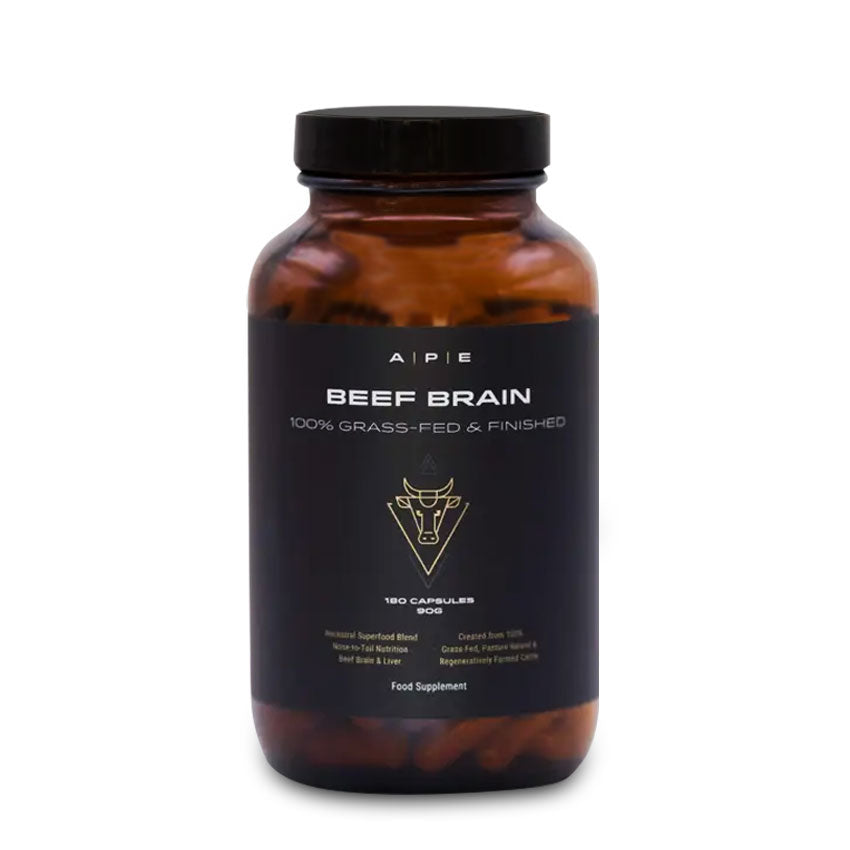
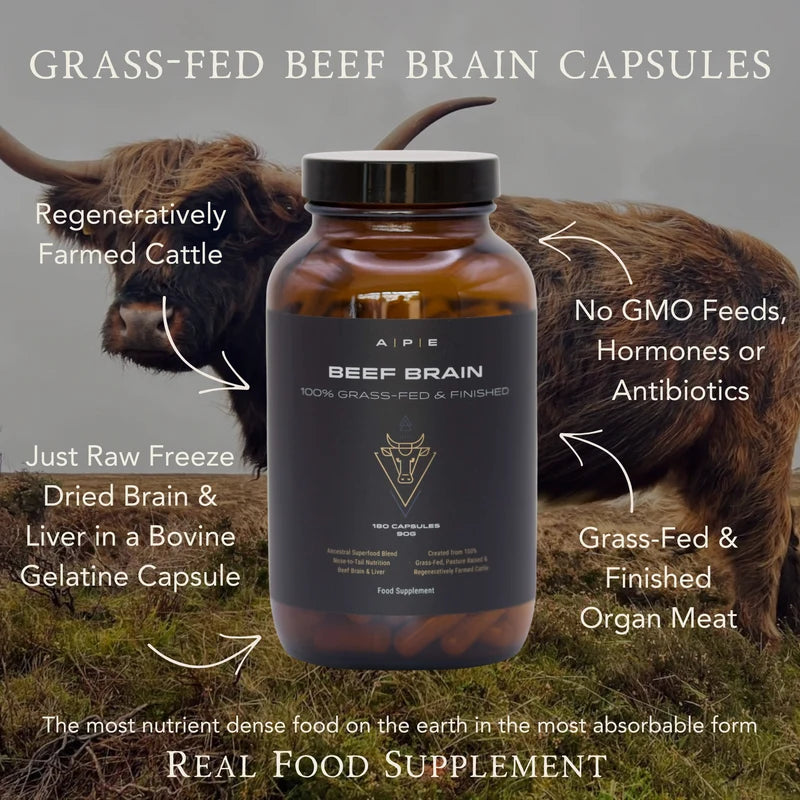
Grass-Fed Beef Brain | Ancestral Brain Nutrition, Cognitive Function & Nervous System Support
The human brain is one of the most metabolically demanding organs in the body, consuming approximately 20% of resting energy expenditure despite accounting for only around 2% of total body weight. Every thought, memory, movement and sensory experience depends on an extraordinarily complex network of neurons, neurotransmitters, specialised fats and energy-dependent cellular processes. Beef Brain offers a distinctive approach to nutritional supplementation by providing whole-organ tissue containing many of the same classes of structural lipids found throughout the mammalian nervous system. Unlike conventional supplements built around isolated vitamins or single synthetic compounds, this ancestral formulation delivers a naturally complex nutritional matrix containing phospholipids, fatty acids and other components of brain tissue. DHA, an omega-3 fatty acid concentrated in neuronal membranes, plays an important structural role in the brain, while phosphatidylserine contributes to membrane organisation and cellular signalling. Sphingomyelin is another significant component of nervous tissue, particularly the specialised membranes surrounding nerve fibres. Choline-containing compounds are also nutritionally relevant because choline is required for the synthesis of acetylcholine, a neurotransmitter involved in memory, attention and neuromuscular communication. These connections make Beef Brain particularly interesting to those exploring the nutritional foundations of cognition, neurological health and healthy ageing.
The addition of 30% grass-fed Beef Liver takes this formulation beyond a conventional organ supplement, introducing one of nature's most nutrient-dense foods into an already distinctive nutritional combination. Liver is particularly valued for its naturally occurring Vitamin B12, an essential nutrient involved in normal nervous system function, red blood cell formation, DNA synthesis and energy-yielding metabolism. Vitamin B12 also contributes to the maintenance of myelin, the protective insulating structure that allows electrical signals to travel efficiently along nerve fibres. Liver additionally contains other B vitamins, minerals and compounds involved in fundamental metabolic pathways, creating a complementary relationship between the structural components supplied by Beef Brain and the micronutrient diversity associated with Beef Liver. This combination is especially relevant to the growing interest in nutritional strategies that look beyond simple stimulation or short-term mental alertness. Rather than relying on caffeine or ingredients intended to create an immediate sensation, whole-organ nutrition focuses on supplying nutrients involved in the body's underlying biological processes. Neuronal membrane maintenance, neurotransmitter synthesis, mitochondrial energy production and the normal functioning of the nervous system all depend on adequate nutritional resources. The combination of Beef Brain and Beef Liver reflects this broader philosophy, bringing together two organs with contrasting but complementary nutritional characteristics. It offers a distinctive choice for people interested in cognitive vitality, nervous system nutrition, physical resilience and maintaining nutritional sufficiency throughout adulthood.
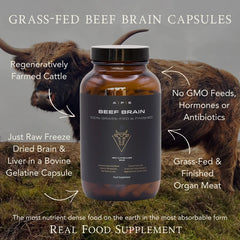
For generations, traditional food cultures valued organ meats as an important part of the animal, recognising that different tissues offer different nutritional profiles. Modern diets, however, are increasingly dominated by muscle meat, with nutrient-rich organs often overlooked entirely. This formulation reconnects with the principles of nose-to-tail nutrition, using 70% grass-fed Beef Brain and 30% grass-fed Beef Liver to provide a convenient way of incorporating whole-organ ingredients into a contemporary routine. Freeze-drying removes moisture at low temperatures, helping preserve many of the naturally occurring constituents of the original tissue while producing a concentrated, shelf-stable powder suitable for encapsulation. The result is a straightforward formulation built around genuine animal-derived ingredients rather than an extensive list of isolated compounds, artificial colours, fillers or processing additives. For serious biohackers, nutritional enthusiasts and individuals interested in the relationship between diet and neurological function, the attraction lies in the biological complexity of the organs themselves. Beef Brain contributes a unique lipid-rich nutritional matrix, while Beef Liver adds a complementary spectrum of essential micronutrients. Together, they represent a return to a more comprehensive understanding of animal nutrition: one that values the whole animal, recognises the distinctive composition of different organs and approaches long-term vitality through the nutritional building blocks required for normal human physiology. A remarkable combination of two nutrient-rich organs, created for those who take brain nutrition, cellular health and ancestral nourishment seriously.
Q: What makes Beef Brain different from conventional brain health supplements?
A: Most conventional cognitive supplements focus on isolated compounds such as caffeine, individual B vitamins or herbal extracts. Beef Brain takes a whole-organ approach, providing a naturally complex matrix of structural lipids, phospholipids, fatty acids and other constituents found in mammalian brain tissue. Combined with nutrient-dense Beef Liver, it offers a distinctive nutritional approach focused on the building blocks involved in normal brain and nervous system function.
Q: Why is Beef Brain particularly interesting for cognitive performance and memory?
A: Cognitive performance depends on efficient neuronal communication, healthy cell membranes and a continuous supply of cellular energy. Brain tissue naturally contains specialised lipids such as DHA, phosphatidylserine and sphingomyelin, which are involved in neuronal membrane structure and signalling. These compounds are important to the biology of memory, attention and information processing. Their presence in Beef Brain makes it nutritionally interesting, although the amount delivered and absorbed from a serving determines its practical contribution.
Q: Why does this formula contain 70% Beef Brain and 30% Beef Liver?
A: The combination brings together two organs with complementary nutritional profiles. Beef Brain provides specialised lipids and phospholipids associated with nervous tissue, while Beef Liver contributes micronutrients involved in normal neurological function, energy metabolism and cellular maintenance. Rather than relying exclusively on the composition of one organ, this formulation combines the distinctive structural components of brain tissue with the broad nutritional density of liver.
Q: What is phosphatidylserine, and why is it important for the brain?
A: Phosphatidylserine is a phospholipid found in cell membranes, particularly in nervous tissue. It contributes to membrane organisation, cell signalling and processes involved in neuronal communication. Its position within the neuronal membrane is important for several cellular functions, including the activity of membrane-associated proteins. Beef Brain naturally contains phosphatidylserine as part of its complex lipid composition, although the precise quantity in each serving depends on the finished product.
Q: How does DHA contribute to brain structure and neurological function?
A: Docosahexaenoic acid, or DHA, is a long-chain omega-3 fatty acid highly concentrated in neuronal membranes. It contributes to membrane fluidity, structural organisation and the environment in which neuronal signalling proteins operate. DHA is particularly important during brain development and remains a significant component of nervous tissue throughout adulthood. Beef Brain naturally contains DHA-containing lipids, providing a whole-food source of compounds associated with brain structure.
Q: What is sphingomyelin, and what role does it play in the nervous system?
A: Sphingomyelin is a specialised phospholipid found in animal cell membranes and is particularly abundant in myelin, the insulating material surrounding many nerve fibres. Myelin helps electrical impulses travel efficiently through the nervous system. Sphingomyelin also participates in membrane organisation and cellular signalling. Its presence in brain tissue is one of the reasons Beef Brain has such a distinctive nutritional composition compared with ordinary muscle meat.
Q: How is Beef Brain connected to acetylcholine and neurotransmitter function?
A: Acetylcholine is a neurotransmitter involved in attention, learning, memory and communication between nerves and muscles. The body synthesises acetylcholine using choline, an essential nutrient also required for the production of phosphatidylcholine and other membrane components. Brain tissue contains choline-containing phospholipids, making choline metabolism an important part of understanding its nutritional composition. The contribution of a Beef Brain supplement to daily choline intake depends on its measured choline content.
Q: Why is Vitamin B12 from Beef Liver important for neurological health?
A: Vitamin B12 is essential for normal nervous system function, DNA synthesis and red blood cell formation. It participates in methylation reactions and the metabolism of compounds involved in maintaining healthy nerve tissue. Inadequate B12 can affect neurological function, including sensation, balance and cognition. Beef Liver is a naturally concentrated dietary source of Vitamin B12, making it a valuable nutritional complement to the specialised lipids found in Beef Brain.
Q: How does Beef Brain relate to myelin and healthy nerve signalling?
A: Myelin is a lipid-rich insulating structure that surrounds many nerve fibres, allowing electrical impulses to travel rapidly and efficiently. Its composition includes cholesterol, phospholipids and sphingolipids, including sphingomyelin. Beef Brain naturally contains several classes of lipids associated with nervous tissue, while Beef Liver supplies nutrients involved in normal neurological maintenance. Eating these components does not directly rebuild myelin, but their biological roles help explain the nutritional interest in whole-organ supplementation.
Q: What is the connection between Beef Brain, cellular energy and mental fatigue?
A: The brain requires a continuous supply of ATP to maintain electrical gradients, recycle neurotransmitters and support neuronal communication. Normal energy metabolism depends on adequate micronutrients, particularly certain B vitamins. The Beef Liver component contributes nutrients associated with energy-yielding metabolism, while Beef Brain provides a distinctive collection of structural lipids. This combination makes the formula relevant to people interested in the nutritional foundations of brain function rather than stimulant-driven alertness.
Q: Is Beef Brain a stimulant or a source of natural brain nutrition?
A: Beef Brain is a whole-organ nutritional supplement rather than a conventional stimulant. Its principal appeal lies in the naturally occurring fats, phospholipids and other constituents of brain tissue, complemented by the micronutrients found in Beef Liver. It is not designed to produce the immediate stimulating sensation associated with caffeine. Its nutritional value comes from the composition of the organs rather than direct stimulation of the central nervous system.
Q: Why is Beef Brain relevant to healthy ageing and cognitive longevity?
A: Healthy ageing involves maintaining adequate nutrition, muscle function, metabolic health and normal neurological processes. Brain cells depend on intact membranes, efficient energy metabolism and essential nutrients throughout life. Beef Brain contains specialised nervous-tissue lipids, while Beef Liver provides a complementary source of micronutrients, including Vitamin B12. This makes the combination an interesting addition to an ancestral nutrition approach focused on long-term nutritional sufficiency.
Q: Does consuming Beef Brain increase Brain-Derived Neurotrophic Factor (BDNF)?
A: BDNF is a protein involved in neuronal survival, synaptic plasticity, learning and memory. It is produced and regulated within the body through complex physiological processes. Although brain tissue contains proteins associated with neurological function, consuming Beef Brain has not been shown to increase BDNF concentrations in the human brain. Dietary proteins are generally broken down during digestion, so the presence of a protein in an animal organ does not mean it will reach the human brain intact.
Q: Why is cholesterol naturally present in Beef Brain, and what does it do?
A: Cholesterol is an essential structural component of animal cell membranes and is particularly abundant in the brain. It contributes to membrane organisation, myelin structure and the formation of specialised membrane regions involved in cellular signalling. The human brain produces most of its own cholesterol because circulating cholesterol does not freely cross the blood-brain barrier. Dietary cholesterol from Beef Brain therefore should not be interpreted as directly increasing brain cholesterol. Beef Brain can also be a concentrated source of dietary cholesterol, making the actual amount per serving relevant.
Q: What is the advantage of freeze-drying Beef Brain and Beef Liver?
A: Freeze-drying removes moisture from frozen tissue under reduced pressure, allowing water to transition directly from ice into vapour. This low-temperature process helps preserve many naturally occurring nutrients and structural compounds while producing a concentrated, shelf-stable powder. It also makes whole-organ ingredients more convenient to encapsulate and consume. Freeze-drying does not sterilise tissue or eliminate every biological hazard, so sourcing, processing and independent quality controls remain essential.
Q: Why choose grass-fed organ meats rather than conventional organ supplements?
A: Grass-fed sourcing reflects a particular approach to animal nutrition and agricultural management. The animals' diet can influence aspects of tissue fatty acid composition, although the magnitude varies according to the organ, feeding system and other factors. For whole-organ supplements, traceability, animal health, species verification and manufacturing standards are particularly important. Grass-fed sourcing is a meaningful product characteristic, but it should be considered alongside independent testing and documented quality assurance.
Q: What makes whole-organ nutrition different from taking isolated vitamins and minerals?
A: Whole-organ supplements provide nutrients within the natural composition of animal tissue, including proteins, lipids, vitamins and minerals. Isolated supplements, by contrast, deliver specified amounts of individual compounds. The advantage of whole-organ nutrition is its nutritional diversity, while the advantage of isolated nutrients is precise dosing. Beef Brain and Beef Liver offer a broad organ-based approach, although a whole-food matrix does not automatically guarantee superior absorption or effectiveness.
Q: Can Beef Brain be combined with Creatine Monohydrate as part of a cognitive nutrition routine?
A: The two supplements have different nutritional roles. Creatine supports the phosphocreatine energy-buffering system involved in rapid ATP regeneration, while Beef Brain supplies naturally occurring nervous-tissue lipids and Beef Liver contributes micronutrients involved in normal neurological function and energy metabolism. They therefore address different aspects of cellular physiology. Their combined use has not been established as a specific cognitive-performance protocol, but their mechanisms illustrate the distinction between cellular energy support and whole-organ nutrition.
Q: What quality controls are especially important for a Beef Brain supplement?
A: Beef Brain requires particularly rigorous sourcing because bovine nervous tissue can carry prion-related risks associated with bovine spongiform encephalopathy (BSE). Appropriate controls include verified animal origin, age and traceability, compliance with specified risk material regulations, and documented processing standards. Conventional microbiological testing and heavy-metal analysis are useful but do not establish prion safety. A high-quality product should have clear documentation demonstrating that the tissue is legally permitted and appropriately controlled for its intended market.
Q: Who is Beef Brain most suited to from a nutritional perspective?
A: Beef Brain is particularly relevant to people interested in ancestral nutrition, nose-to-tail eating, organ-derived nutrients and the biological foundations of nervous system function. Its combination with Beef Liver provides a broader nutritional profile than Beef Brain alone. It is especially appealing to those who want to incorporate traditional animal-derived foods into a modern routine without preparing organ meats themselves. The nutritional contribution depends on the actual nutrient content and serving size of the finished supplement.
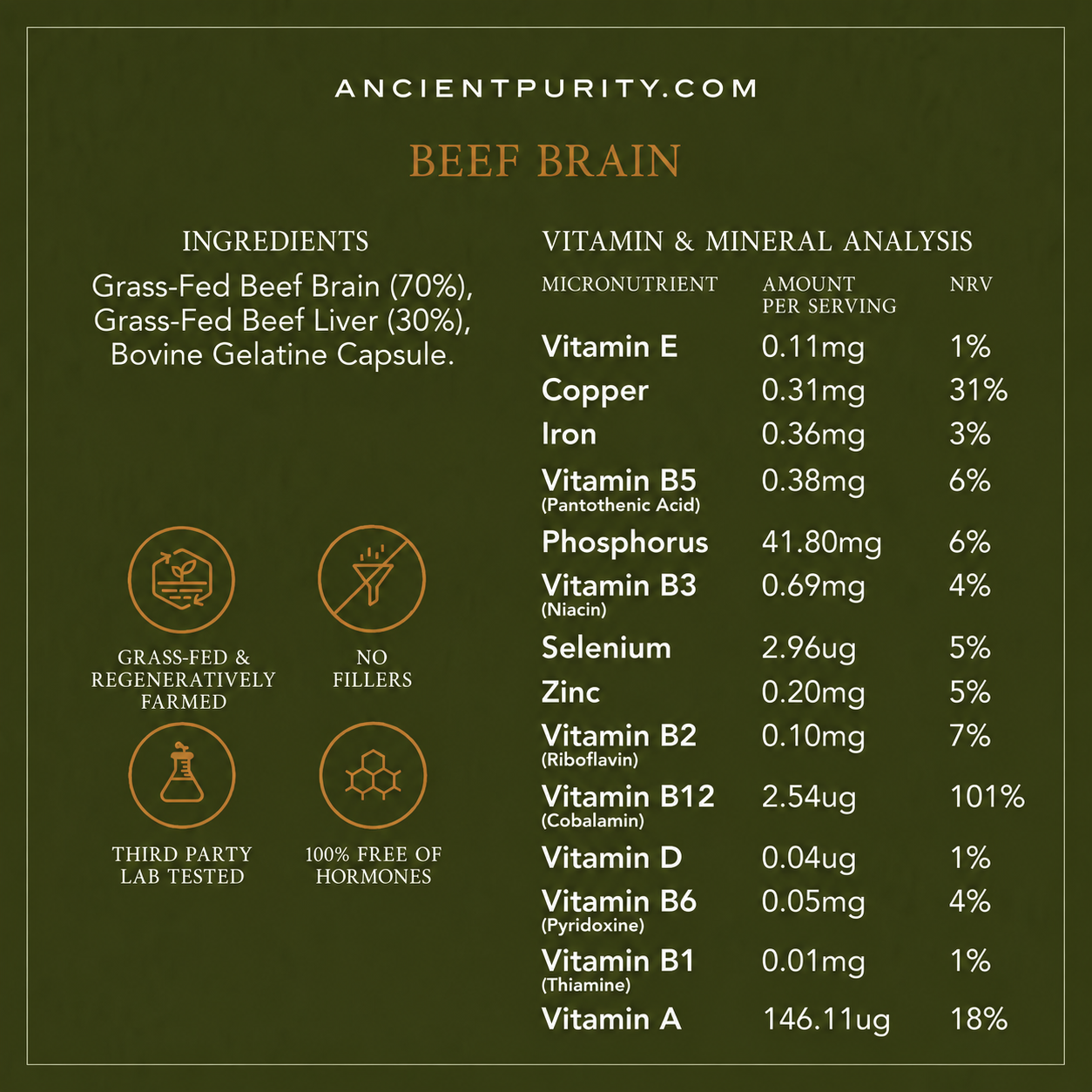
Capsule - Bovine Gelatine
Grass-Fed
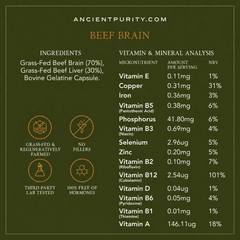
Nutritional Info per 6 capsules
Kcal: 15.63 - Fat: 0.97 - of which Saturates: 0.23 - Carbohydrates: 0.20 - of which Sugars: 0.00- Fibre: 0.00 - Protein: 1.51 - Salt: 0.03
Thanks for subscribing!
This email has been registered!