Currency
Currency


Couldn't load pickup availability
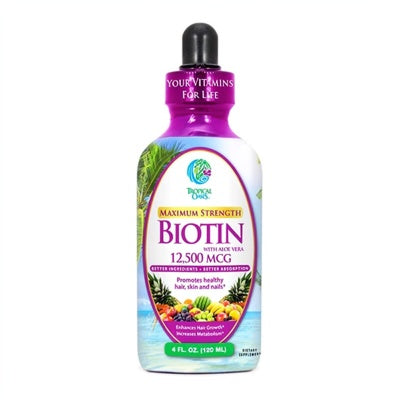
High-Strength Liquid Biotin 12,500mcg | Hair Growth Nutrition, Keratin Support, Skin Health & Cellular Energy
Biotin, also known as Vitamin B7 or Vitamin H, is one of the most fascinating nutrients in the B-vitamin family, particularly for its involvement in hair follicle biology, cellular metabolism and the maintenance of healthy skin. Although frequently associated with beauty supplements, its physiological importance extends far beyond appearance. Biotin functions as an essential coenzyme for five specialised carboxylase enzymes: acetyl-CoA carboxylase 1 and 2, pyruvate carboxylase, propionyl-CoA carboxylase and 3-methylcrotonyl-CoA carboxylase. These enzymes participate in fundamental biochemical pathways involving fatty acid synthesis, glucose metabolism and the breakdown of specific amino acids. Their activity helps the body process nutrients and maintain the metabolic functions required by virtually every tissue. Hair follicles are particularly interesting because they contain some of the body's most metabolically active cells, undergoing repeated cycles of growth, transition, rest and renewal. The production of a healthy hair shaft requires coordinated cellular division, adequate protein availability, energy metabolism and the formation of structural proteins such as keratin. Biotin contributes to the normal metabolic environment supporting these processes, and inadequate Biotin status can be associated with hair thinning, skin abnormalities and brittle nails. This high-strength liquid formula provides 12,500mcg of Biotin per serving, offering a concentrated approach to Vitamin B7 supplementation for individuals serious about hair nutrition, skin maintenance and the biochemical foundations of healthy tissue function.
The connection between Biotin, keratin production and cellular energy is especially relevant to those seeking a deeper understanding of hair and nail nutrition. Keratin is the principal structural protein found in hair and nails, providing strength, resilience and mechanical protection. Its formation depends on a complex network of cellular processes, including protein synthesis, amino acid availability and the energy required for continuous cell renewal. Biotin does not directly become keratin, nor does it act as a standalone trigger for hair growth. Instead, it supports the enzyme systems involved in producing and utilising the nutrients required for normal cellular function. Acetyl-CoA carboxylase participates in fatty acid synthesis, an important process for cellular membrane production and lipid metabolism, while pyruvate carboxylase contributes to metabolic pathways linking carbohydrate metabolism with cellular energy balance. Propionyl-CoA carboxylase and 3-methylcrotonyl-CoA carboxylase are involved in the breakdown of certain amino acids and other metabolic substrates. Together, these enzymes demonstrate why Biotin is so much more than a conventional beauty vitamin. Its importance extends to normal nervous system function, psychological function and the metabolism of macronutrients, making Vitamin B7 relevant to individuals interested in cellular performance and nutritional optimisation. Hair and nail health also depend on adequate protein, iron, zinc and other essential nutrients, meaning that Biotin is best understood as one important component of a comprehensive nutritional strategy rather than an isolated solution. For people with insufficient Biotin intake or impaired Biotin metabolism, restoring adequate status can be particularly important for maintaining healthy hair, skin and normal metabolic function.
What distinguishes this formulation is the combination of exceptionally concentrated Biotin with Aloe Vera 200:1 extract in a convenient liquid delivery system. Aloe Vera has a long history of botanical use and contains a diverse collection of naturally occurring compounds, including polysaccharides and other plant constituents. The 200:1 designation refers to the concentration ratio used in producing the extract, although the precise composition depends on the extraction method and standardisation. The liquid format is particularly appealing to individuals who prefer a straightforward alternative to swallowing multiple tablets or capsules, allowing this concentrated Vitamin B7 formula to be incorporated into a daily nutritional routine. Beyond its established roles in hair and skin maintenance, Biotin remains essential to the body's normal energy-yielding metabolism, macronutrient utilisation and nervous system function. This broader physiological relevance makes it an interesting nutrient for those who approach supplementation through the principles of cellular biochemistry rather than superficial beauty trends. With 12,500mcg of Biotin alongside 60mg of concentrated Aloe Vera extract, this formula brings together high-strength Vitamin B7 nutrition and convenient liquid supplementation. For those serious about maintaining healthy hair, supporting skin integrity, understanding keratin biology and optimising the nutritional foundations of cellular health, it offers a focused approach built around one of the body's essential metabolic cofactors.
Q: How does Biotin influence hair follicle metabolism and the biological foundations of hair growth?
A: Hair follicles contain highly active cells that require continuous energy production, protein synthesis and nutrient metabolism during the growth phase. Biotin acts as a coenzyme for five essential carboxylase enzymes involved in fatty acid synthesis, glucose metabolism and amino acid breakdown. These processes contribute to the metabolic environment required for normal follicle function. Biotin deficiency can cause hair thinning, although taking additional Biotin has not been shown to accelerate hair growth in people who already have adequate levels.
Q: What is the relationship between Biotin and keratin production?
A: Keratin is the structural protein responsible for much of the strength and resilience of hair and nails. Its production depends on adequate amino acids, cellular energy and the coordinated activity of specialised cells called keratinocytes. Biotin supports metabolic pathways involved in normal cellular function, making it relevant to the nutritional foundations of keratin-producing tissues. However, Biotin is not a direct building block of keratin, and increasing Biotin intake does not automatically increase keratin production.
Q: Why does this formula contain 12,500mcg of Biotin when the daily reference intake is only 50mcg?
A: The 12,500mcg serving provides 250 times the UK Nutrient Reference Value of 50mcg. This makes it a high-strength formulation designed to deliver a concentrated quantity of Vitamin B7. However, the reference value represents an amount intended to meet normal nutritional requirements, not a dose that must be exceeded for superior results. There is currently insufficient evidence that very high doses improve hair growth, skin quality or cognitive performance in otherwise healthy people with adequate Biotin status.
Q: Can Biotin help with hair thinning caused by nutritional deficiencies?
A: Biotin deficiency is an established cause of hair thinning and can also produce skin abnormalities and neurological symptoms. Correcting a genuine deficiency may help restore normal hair and skin function. However, hair thinning has numerous potential causes, including low iron stores, thyroid dysfunction, hormonal changes, genetics, inadequate protein intake and certain medications. Biotin is most relevant when insufficient Biotin is contributing to the problem. Identifying the underlying cause is considerably more useful than assuming every case of hair thinning requires a higher Biotin dose.
Q: What are the five Biotin-dependent carboxylase enzymes, and why do they matter?
A: Biotin is required by acetyl-CoA carboxylase 1, acetyl-CoA carboxylase 2, pyruvate carboxylase, propionyl-CoA carboxylase and 3-methylcrotonyl-CoA carboxylase. These enzymes participate in fatty acid synthesis and oxidation regulation, gluconeogenesis and the metabolism of certain amino acids and fatty acids. Their importance demonstrates that Vitamin B7 is a fundamental metabolic cofactor rather than simply a beauty nutrient. Without adequate Biotin, multiple essential biochemical pathways cannot operate normally.
Q: How does Biotin support mitochondrial metabolism and cellular energy production?
A: Several Biotin-dependent enzymes operate within mitochondria, including pyruvate carboxylase, propionyl-CoA carboxylase and 3-methylcrotonyl-CoA carboxylase. These enzymes help process metabolic substrates and maintain pathways that supply intermediates for cellular metabolism. Biotin therefore contributes to normal energy-yielding metabolism. However, supplementation should not be confused with directly stimulating ATP production: additional Biotin has not been shown to increase energy levels in people whose Biotin status is already sufficient.
Q: What is the connection between Biotin, acetyl-CoA carboxylase and fatty acid metabolism?
A: Acetyl-CoA carboxylase converts acetyl-CoA into malonyl-CoA, a molecule with important roles in fatty acid synthesis and the regulation of fatty acid oxidation. Biotin is an essential cofactor for this reaction. Fatty acid metabolism is fundamental to cell membrane formation, lipid signalling and normal tissue maintenance. This biochemical relationship explains why Biotin contributes to normal macronutrient metabolism, although taking more Biotin does not necessarily increase fat burning or improve metabolic flexibility.
Q: Does Biotin influence glucose metabolism and insulin sensitivity?
A: Biotin-dependent pyruvate carboxylase participates in gluconeogenesis, helping the body produce glucose from non-carbohydrate substrates when required. Biotin also contributes to the metabolism of carbohydrates and other macronutrients. Researchers have investigated whether supplementation influences glucose regulation, particularly in people with metabolic disorders, but clinical findings are limited and inconsistent. There is insufficient evidence to recommend high-dose Biotin as a treatment for insulin resistance or elevated blood glucose.
Q: Can Biotin support healthy skin through lipid metabolism and epidermal function?
A: The skin depends on continuous cellular renewal, healthy lipid metabolism and an effective protective barrier. Biotin-dependent enzymes contribute to the metabolic processes involved in normal cellular function. Severe Biotin deficiency can cause dermatitis, particularly around the mouth, nose and eyes, demonstrating its importance to skin health. Adequate Biotin contributes to the maintenance of normal skin, but there is limited evidence that high-dose supplementation improves hydration, wrinkles or skin texture when nutritional status is already sufficient.
Q: How does Biotin contribute to stronger nails and reduced brittleness?
A: Nails are composed primarily of densely packed keratin produced by cells within the nail matrix. Biotin contributes to the metabolic processes required for normal cellular function, and small studies have explored its potential role in brittle nail syndrome. Some reported improvements in nail thickness, but the evidence is limited by small sample sizes and methodological weaknesses. Maintaining adequate Biotin is important, although high-dose supplementation cannot be guaranteed to strengthen nails in every individual.
Q: Can Biotin influence hair growth cycles, including the anagen and telogen phases?
A: Hair follicles cycle through anagen, the active growth phase; catagen, the transition phase; and telogen, the resting phase, followed by shedding. These transitions are regulated by complex hormonal, genetic and cellular signalling mechanisms. Adequate nutrition supports normal follicle function, and Biotin deficiency can interfere with healthy hair maintenance. However, there is no convincing clinical evidence that high-dose Biotin independently prolongs anagen, shortens telogen or resets the hair growth cycle in people without deficiency.
Q: Is Biotin involved in epigenetic regulation and gene expression?
A: Biotin has been studied for roles extending beyond its established function as an enzyme cofactor. Experimental research has explored histone biotinylation and the possible relationship between Biotin availability and gene regulation. However, histone biotinylation appears to be relatively rare, and its physiological significance remains uncertain. These findings are scientifically interesting but do not demonstrate that high-dose Biotin supplementation can optimise gene expression, reverse biological ageing or produce measurable epigenetic rejuvenation.
Q: How does Biotin support the nervous system and neurological function?
A: Biotin contributes to normal nervous system function because Biotin-dependent enzymes participate in essential metabolic pathways used by nerve cells and other tissues. Significant deficiency can produce neurological symptoms, including fatigue, altered sensation, mood disturbances and, in severe cases, more serious neurological complications. Restoring adequate Biotin is important when deficiency is present. However, high-dose Biotin has not been established as a general cognitive enhancer or neuroprotective treatment for healthy individuals.
Q: What is the connection between Biotin, myelin and nerve health?
A: Myelin is a lipid-rich insulating structure surrounding many nerve fibres, helping electrical signals travel efficiently. Because Biotin participates in fatty acid metabolism, researchers have investigated whether high-dose supplementation might influence myelin-related processes. However, the large SPI2 clinical trial of high-dose Biotin in progressive multiple sclerosis did not demonstrate meaningful clinical benefit. The trial also raised concerns about interference with laboratory tests. Biotin remains an essential nutrient, but high doses should not be promoted as a proven method of repairing myelin.
Q: Does liquid Biotin absorb better than Biotin tablets or capsules?
A: Biotin is a water-soluble vitamin absorbed primarily in the small intestine through a specialised transport system involving the sodium-dependent multivitamin transporter. Liquid supplements deliver Biotin in a readily dispersed format and may be convenient for people who dislike swallowing tablets. However, there is insufficient evidence that liquid Biotin consistently produces greater absorption or better biological outcomes than well-formulated tablets or capsules. Dose, formulation, digestive health and individual physiology all influence nutrient availability.
Q: What role does the sodium-dependent multivitamin transporter play in Biotin absorption?
A: The sodium-dependent multivitamin transporter, known as SMVT and encoded by the SLC5A6 gene, helps transport Biotin across intestinal cells. It also transports pantothenic acid and lipoate. This specialised mechanism allows the body to absorb dietary Biotin and maintain normal nutritional status. At very high oral doses, additional absorption mechanisms may contribute. Understanding SMVT is useful because it demonstrates that Biotin absorption is a regulated biological process rather than simply a question of how much Vitamin B7 a supplement contains.
Q: Can genetics influence Biotin requirements and the way the body uses Vitamin B7?
A: Rare inherited disorders can interfere with Biotin recycling, transport or utilisation. Biotinidase deficiency, for example, reduces the body's ability to recycle Biotin from proteins, while certain defects affecting holocarboxylase synthetase impair the activation of Biotin-dependent enzymes. These conditions can cause serious metabolic and neurological problems and require specialist medical management. They illustrate the importance of Biotin metabolism, but they do not mean that common genetic variations routinely justify extremely high-dose supplementation.
Q: What is Biotinidase, and why is it essential for maintaining Biotin availability?
A: Biotinidase is an enzyme responsible for releasing Biotin from Biotin-containing compounds, allowing the vitamin to be recycled and reused. This recycling system helps maintain the supply of Biotin required by carboxylase enzymes. Individuals with inherited Biotinidase deficiency cannot recycle Biotin efficiently and may develop neurological, dermatological and metabolic complications without treatment. The condition is an important example of how nutrient recycling can be as significant as dietary intake.
Q: Why can eating large quantities of raw egg whites cause Biotin deficiency?
A: Raw egg whites contain avidin, a protein that binds Biotin extremely strongly and can prevent its absorption in the digestive tract. Habitually consuming substantial amounts of raw egg white over time can therefore contribute to Biotin deficiency. Cooking denatures avidin, greatly reducing this effect. Eggs can be a useful source of nutrients, but regularly consuming raw egg whites is not an effective nutritional strategy for anyone trying to optimise Biotin status.
Q: Can gut health and the intestinal microbiome influence Biotin availability?
A: Certain intestinal microorganisms can synthesise Biotin, while others require it for their own metabolism. The gut microbiome therefore participates in a complex network of vitamin production and utilisation. However, the extent to which microbial Biotin production contributes to human nutritional requirements remains uncertain. Gastrointestinal conditions that impair nutrient absorption may affect Biotin status, but microbiome testing cannot currently determine whether someone needs high-dose Biotin supplementation.
Q: What is the role of Aloe Vera 200:1 extract in this Biotin formula?
A: Aloe Vera contains a variety of plant constituents, including polysaccharides and other phytochemicals, depending on the part of the plant used and the extraction process. A 200:1 extract is produced using a concentration process in which a substantial quantity of starting material is represented by a smaller amount of extract. However, the ratio alone does not establish the concentration of any particular active compound. Aloe Vera adds a botanical component to the formula, although there is insufficient evidence that orally consumed Aloe Vera enhances Biotin absorption or stimulates hair growth.
Q: Can Biotin be combined with Collagen, Zinc and Vitamin C for hair and skin nutrition?
A: These nutrients contribute to different physiological processes. Biotin supports normal hair and skin maintenance, Zinc contributes to normal hair, skin and nails, and Vitamin C is required for normal Collagen formation in the skin. Collagen supplements provide amino acids and peptides rather than functioning as a substitute for adequate dietary protein. Combining nutrients may help address multiple nutritional requirements, but taking them together does not guarantee stronger hair or younger-looking skin. The greatest benefit is generally expected when an existing nutritional inadequacy is corrected.
Q: Can Biotin interfere with thyroid tests, hormone tests and cardiac blood markers?
A: Yes. This is particularly important with high-strength products containing 12,500mcg of Biotin. Many laboratory immunoassays use Biotin-streptavidin technology, and elevated circulating Biotin can produce falsely high or falsely low results depending on the test design. Affected tests may include thyroid hormones, TSH, certain reproductive hormones and cardiac troponin, which is used when investigating possible heart damage. Always tell healthcare professionals and laboratory staff about Biotin supplementation before blood testing. The appropriate period for withholding Biotin depends on the dose, assay and individual circumstances.
Q: Is there an established upper safe limit for Biotin supplementation?
A: Biotin is water-soluble, and major authorities have not established a tolerable upper intake level because available evidence has not demonstrated a clear toxicity threshold. However, the absence of an established upper limit does not prove that every dose is necessary or entirely risk-free. High-dose Biotin can interfere with important diagnostic tests, and the long-term benefits of very high intakes in healthy individuals remain unproven. A 12,500mcg serving should therefore be recognised as a high-dose supplement rather than an ordinary nutritional requirement.
Q: How long should someone take Biotin before assessing changes in hair or nails?
A: Hair and nails grow slowly, so visible changes take time even when an underlying nutritional deficiency is successfully corrected. Scalp hair typically grows approximately one centimetre per month, while fingernails grow around three millimetres per month. Where Biotin deficiency is present, several months may be needed to assess changes in newly produced hair or nails. If Biotin status is already adequate, there may be no visible improvement regardless of how long supplementation continues.
Q: What is the most intelligent way to optimise Biotin for hair health rather than simply taking higher doses?
A: Begin by identifying the likely cause of any hair thinning, brittleness or changes in skin condition. Consider dietary protein, iron status, Zinc intake, thyroid function, hormonal factors, medication use and possible nutrient malabsorption. Biotin deficiency is relatively uncommon in people eating a varied diet, so high-dose supplementation should not automatically be the first intervention. For serious biohackers, the most effective strategy is to correct measurable nutritional problems, maintain adequate essential nutrient intake and evaluate results over a realistic hair growth cycle. This approach addresses the biology of hair health rather than relying on supplement strength alone.
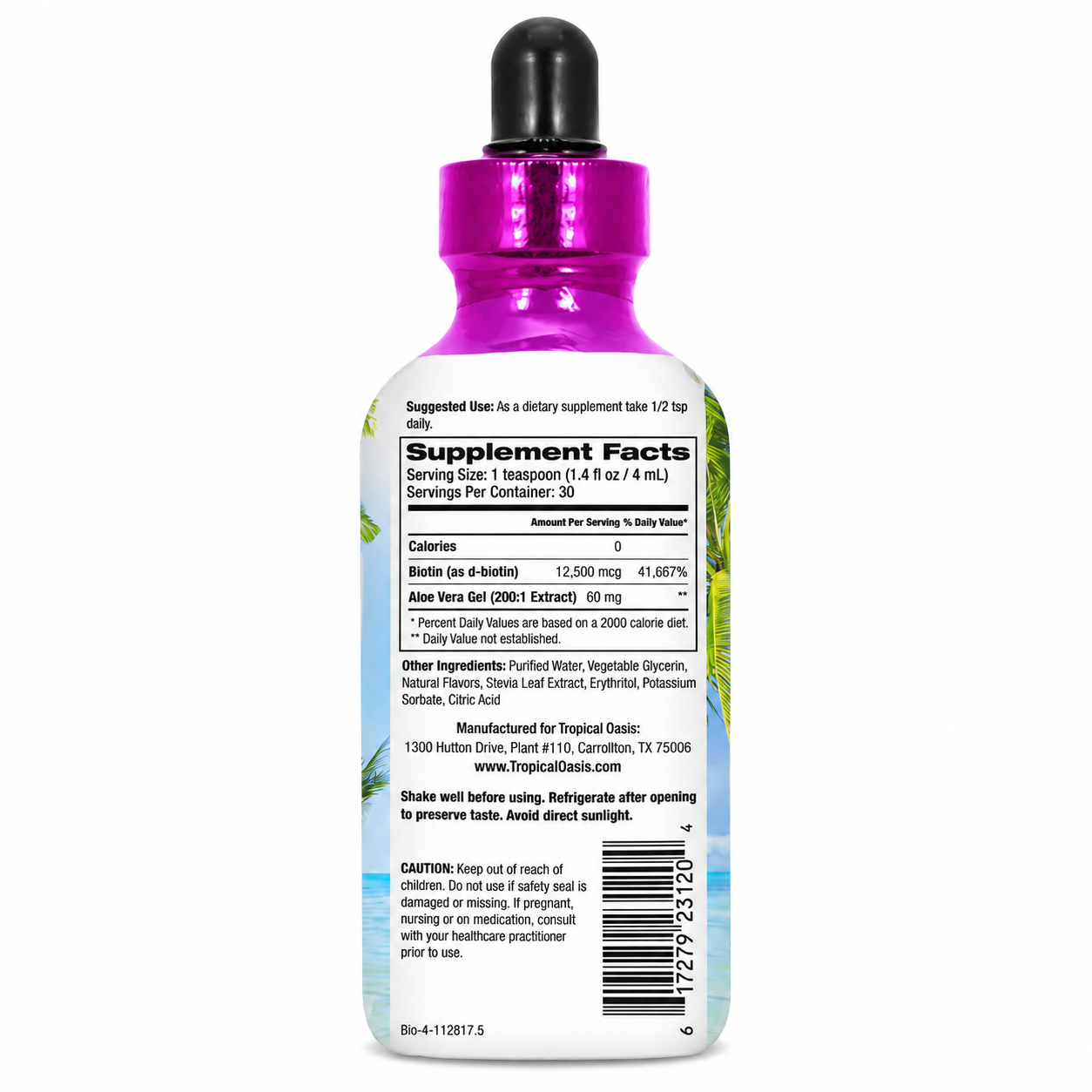
Other Ingredients: Purified Water, Vegetable Glycerin, Natural Flavors, Stevia Leaf Extract, Erythritol, Potassium Sorbate, Citric Acid.
NOTE: Refrigerate after opening to preserve taste.
Thanks for subscribing!
This email has been registered!