Currency
Currency


Couldn't load pickup availability
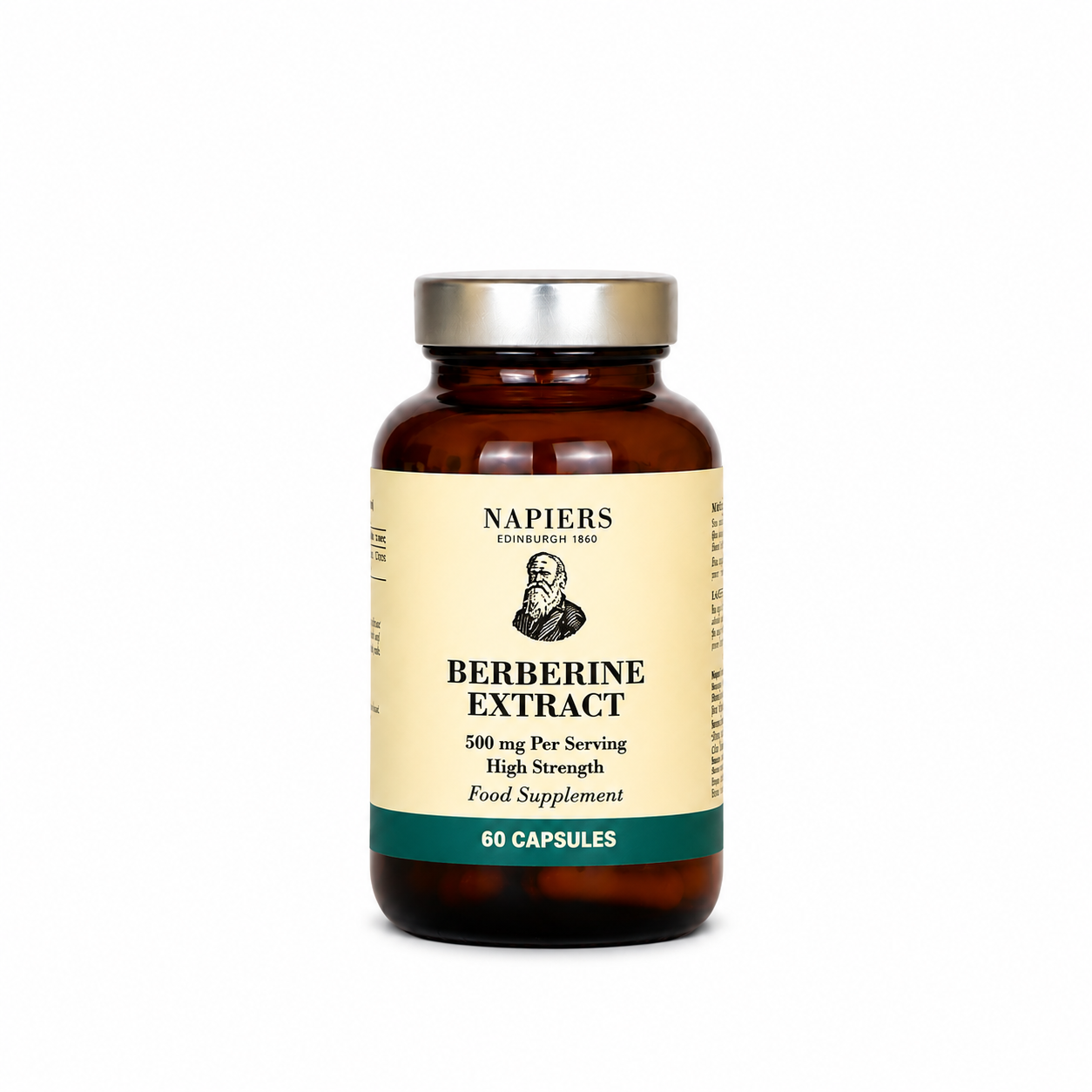
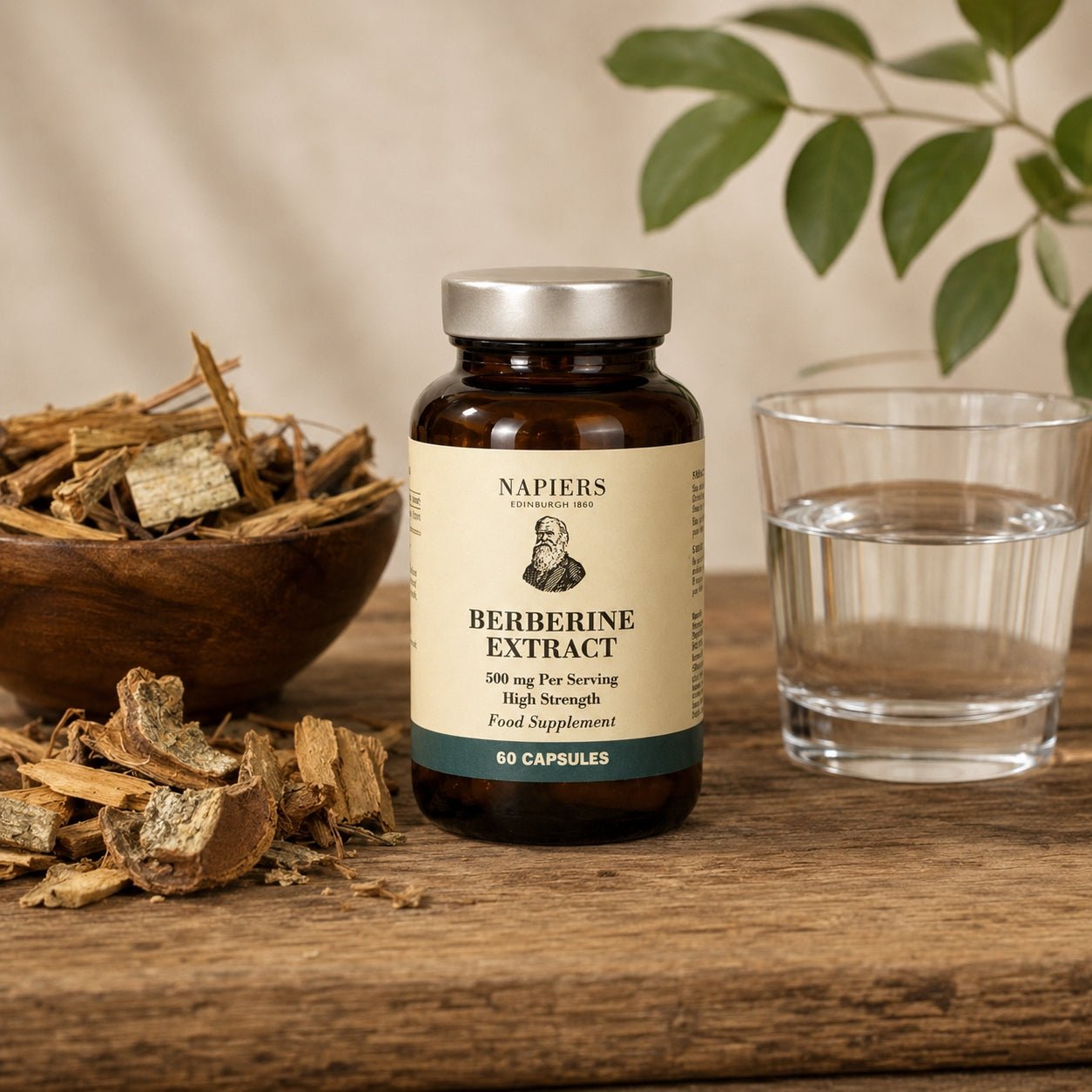
Berberine Extract 500mg | Blood Sugar Balance, Insulin Sensitivity, Metabolic Health & Cellular Energy
Berberine is one of the most fascinating botanical compounds in modern metabolic science. Naturally present in plants including Barberry, Goldenseal and Oregon Grape, this distinctive golden-yellow alkaloid has been valued for centuries in traditional Chinese and Ayurvedic practices. Today, Berberine has become a major focus of research into blood sugar regulation, insulin sensitivity, cholesterol metabolism and cellular energy. Its ability to influence several interconnected metabolic pathways, including AMPK signalling, has attracted particular interest among biohackers and longevity enthusiasts. Human clinical studies have reported improvements in fasting glucose, insulin resistance and certain blood lipid markers, positioning Berberine as a compelling natural compound for those interested in metabolic optimisation.
Berberine Extract 500mg provides a clearly defined serving of this concentrated botanical compound, offering a targeted approach to supplementation without relying on complicated multi-ingredient formulas. Unlike consuming small amounts of Berberine-containing herbs, a concentrated extract provides a measured quantity of the active alkaloid. Berberine's scientific appeal lies in its interaction with fundamental biological mechanisms, including glucose transport, lipid metabolism, cellular energy sensing and the gut microbiome. These pathways are closely connected to how the body processes carbohydrates, manages circulating glucose and regulates energy availability. The result is a focused botanical ingredient with a substantial and growing body of metabolic research behind it.
For individuals serious about metabolic health, maintaining healthy blood sugar levels and understanding the science of cellular energy, Berberine Extract 500mg deserves attention. Its combination of traditional botanical heritage and modern research into glucose regulation, AMPK activity, insulin sensitivity and cholesterol metabolism makes it particularly relevant to contemporary nutritional strategies. Whether your focus is metabolic resilience, body composition or maintaining healthy energy regulation as you age, Berberine Extract 500mg delivers a concentrated, research-backed botanical compound for a smarter, more targeted approach to metabolic wellbeing.
Q: How does Berberine influence blood sugar levels and insulin resistance?
A: Berberine acts on several metabolic pathways involved in glucose regulation, including AMPK signalling, glucose transport and hepatic glucose production. Human clinical trials have demonstrated reductions in fasting blood glucose, HbA1c and certain markers of insulin resistance. Its ability to influence both glucose production and utilisation makes Berberine one of the most extensively investigated botanical compounds for metabolic health.
Q: Why is Berberine frequently compared to Metformin?
A: Berberine and Metformin influence several overlapping metabolic pathways, particularly those involved in glucose regulation and cellular energy sensing. Both have been studied for their effects on AMPK activity, insulin sensitivity and hepatic glucose production. Some smaller clinical trials have reported comparable improvements in certain glucose markers, although this does not establish Berberine as an equivalent replacement for Metformin.
Q: What is AMPK, and why is Berberine's influence on it so important?
A: AMP-activated protein kinase (AMPK) is often described as the body's cellular energy sensor. It responds to changes in energy availability and helps coordinate glucose uptake, fatty acid oxidation and metabolic efficiency. Berberine influences AMPK-related signalling, making it particularly interesting in research exploring metabolic flexibility, insulin resistance, cellular energy and healthy ageing.
Q: Can Berberine help reduce insulin resistance and improve metabolic flexibility?
A: Clinical research suggests Berberine can improve certain measures of insulin resistance, particularly in people with existing metabolic dysfunction. Metabolic flexibility describes the body's ability to switch efficiently between carbohydrates and fats as fuel. By influencing glucose metabolism, insulin signalling and fatty acid oxidation pathways, Berberine has attracted considerable interest in metabolic flexibility research.
Q: Does Berberine reduce blood sugar spikes after carbohydrate-rich meals?
A: Berberine has been investigated for its influence on intestinal carbohydrate processing, glucose absorption and insulin signalling. Clinical studies suggest it can improve overall glycaemic control, although its immediate effects on individual post-meal glucose spikes are less consistently established. Continuous glucose monitoring can provide useful insight into how dietary choices influence individual glucose responses.
Q: Can Berberine support weight loss and stubborn abdominal fat reduction?
A: Berberine has demonstrated modest improvements in body weight, BMI and waist circumference in some clinical studies. Researchers are investigating its effects on insulin resistance, lipid metabolism, gut bacteria and energy-regulating pathways. However, it is not a proven targeted abdominal fat burner, and results vary considerably between individuals.
Q: How does Berberine influence cholesterol, triglycerides and cardiovascular health?
A: Berberine has been studied for its ability to influence cholesterol metabolism, including pathways involved in LDL receptor activity and lipid processing within the liver. Clinical trials and meta-analyses have reported reductions in LDL cholesterol, total cholesterol and triglycerides in some populations. These effects make Berberine an interesting compound in cardiovascular metabolic research, although reductions in actual cardiovascular events have not been established.
Q: What is Berberine's relationship with mitochondrial function and cellular energy?
A: Berberine interacts with mitochondrial energy metabolism and can influence cellular energy signalling through changes in ATP availability and AMPK activity. These mechanisms are being investigated for their potential relevance to glucose utilisation, fat oxidation and metabolic adaptation. Importantly, AMPK activation does not necessarily mean increased ATP production, as Berberine can also inhibit aspects of mitochondrial respiration under experimental conditions.
Q: Does Berberine influence the gut microbiome and metabolic health?
A: Yes. Berberine interacts extensively with the intestinal microbiome, partly because relatively little unchanged Berberine reaches systemic circulation after oral supplementation. Research suggests it can alter microbial composition and influence metabolites involved in glucose and lipid regulation. Scientists are also exploring how intestinal bacteria transform Berberine into compounds with different absorption characteristics.
Q: Can Berberine help people with metabolic syndrome?
A: Berberine has been investigated in people with metabolic syndrome, a combination of metabolic abnormalities that can include elevated blood glucose, abdominal obesity, abnormal cholesterol and increased blood pressure. Studies suggest improvements in certain glucose, lipid and body composition markers. Its multi-pathway activity makes it an important subject of research into metabolic dysfunction.
Q: How does Berberine compare with intermittent fasting and ketogenic diets?
A: Berberine, fasting and carbohydrate restriction can all influence metabolic pathways associated with glucose availability, insulin signalling and energy regulation. However, they operate through different physiological mechanisms. Berberine's interactions with AMPK and glucose metabolism overlap with some pathways influenced by fasting, but taking Berberine does not reproduce the complete biological effects of fasting or nutritional ketosis.
Q: Is Berberine beneficial for longevity and biological ageing?
A: Berberine has attracted attention in longevity research because of its interactions with AMPK, metabolic signalling, oxidative stress and cellular maintenance pathways. Experimental studies have explored its relationship with autophagy, mitochondrial regulation and age-associated metabolic changes. These findings are scientifically interesting, although human studies have not demonstrated that Berberine extends lifespan or reverses biological ageing.
Q: Can Berberine activate autophagy and cellular recycling mechanisms?
A: Laboratory studies suggest Berberine can influence pathways associated with autophagy, including AMPK and mTOR signalling. Autophagy is the process through which cells break down and recycle damaged or unnecessary components. The extent to which oral Berberine supplementation meaningfully increases autophagy in humans remains uncertain, but this mechanism is an active area of metabolic and cellular research.
Q: Does Berberine have antioxidant and anti-inflammatory properties?
A: Berberine has demonstrated antioxidant and anti-inflammatory activity in experimental research, including effects on oxidative stress markers and signalling pathways such as NF-κB. These mechanisms are being investigated in relation to metabolic dysfunction and cellular health. Human clinical evidence is developing, although laboratory findings should not be interpreted as proof that supplementation treats inflammatory diseases.
Q: What is the relationship between Berberine and fatty liver metabolism?
A: Berberine has been studied in metabolic dysfunction-associated steatotic liver disease, previously commonly called non-alcoholic fatty liver disease. Research has explored its effects on liver fat accumulation, insulin resistance, lipid metabolism and liver enzyme markers. Some clinical trials report improvements, but findings vary and Berberine is not an established standalone treatment for fatty liver disease.
Q: Can Berberine influence PCOS and hormone-related metabolic dysfunction?
A: Berberine has been investigated in women with polycystic ovary syndrome (PCOS), particularly where insulin resistance and abnormal lipid metabolism are present. Some studies report improvements in metabolic markers, while evidence for reproductive and hormonal outcomes is less conclusive. Its principal research interest in PCOS centres on insulin signalling and metabolic regulation rather than directly increasing or suppressing specific hormones.
Q: Why is Berberine considered a particularly interesting supplement for biohackers?
A: Berberine influences several interconnected systems that biohackers frequently monitor, including glucose metabolism, insulin sensitivity, AMPK signalling, lipid regulation and gut microbial activity. Unlike compounds researched for only one narrow biological function, Berberine has been investigated across multiple metabolic pathways. This makes it especially interesting for people focused on understanding measurable aspects of metabolic health.
Q: Is 500mg of Berberine a meaningful serving size?
A: Yes. A 500mg serving is commonly used in clinical research, with some studies investigating 500mg taken two or three times daily. Total daily intake, extract composition and individual response influence outcomes. A 500mg capsule provides a convenient measured serving, although a product labelled simply as Berberine Extract should not automatically be assumed to contain 500mg of purified Berberine.
Q: Why does Berberine have relatively low oral bioavailability?
A: Berberine has limited absorption through the intestinal wall and undergoes extensive metabolism and transport processes that restrict the amount of unchanged compound entering circulation. Interestingly, its effects on intestinal signalling, gut bacteria and metabolites may contribute to its biological activity despite low systemic bioavailability. This has encouraged research into improved delivery systems and different Berberine formulations.
Q: How long does Berberine take to influence metabolic markers?
A: Clinical studies commonly assess Berberine over approximately 8–12 weeks, with some extending longer. Changes in fasting glucose, HbA1c, cholesterol and triglycerides depend on baseline metabolic health, dosage, formulation and other lifestyle factors. HbA1c is particularly useful for evaluating longer-term glucose regulation because it reflects average blood glucose over approximately two to three months.
Q: Can Berberine be combined with other supplements used for metabolic health?
A: Berberine is frequently discussed alongside compounds such as Alpha-Lipoic Acid, Magnesium, Chromium and Inositol because they are studied for different aspects of glucose metabolism and insulin signalling. However, combining compounds that influence glucose regulation can increase their overall effects, and evidence supporting particular supplement combinations is limited. Berberine also has clinically relevant interactions with certain medicines, especially glucose-lowering drugs.
Q: What makes Berberine Extract 500mg a valuable addition to a metabolic health routine?
A: Berberine combines centuries of traditional botanical use with modern clinical research into blood glucose regulation, insulin resistance, cholesterol metabolism and cellular energy signalling. Its activity across multiple metabolic pathways makes it a compelling ingredient for individuals interested in measurable metabolic health. A concentrated 500mg extract offers a straightforward way to incorporate this extensively researched plant alkaloid into a structured nutritional routine.
Other Ingredients: Hydroxy Propyl Methyl Cellulose (Vegetable Cellulose Capsule Shell) Brown Rice Flour (Oryza Sativa).
Thanks for subscribing!
This email has been registered!