Couldn't load pickup availability
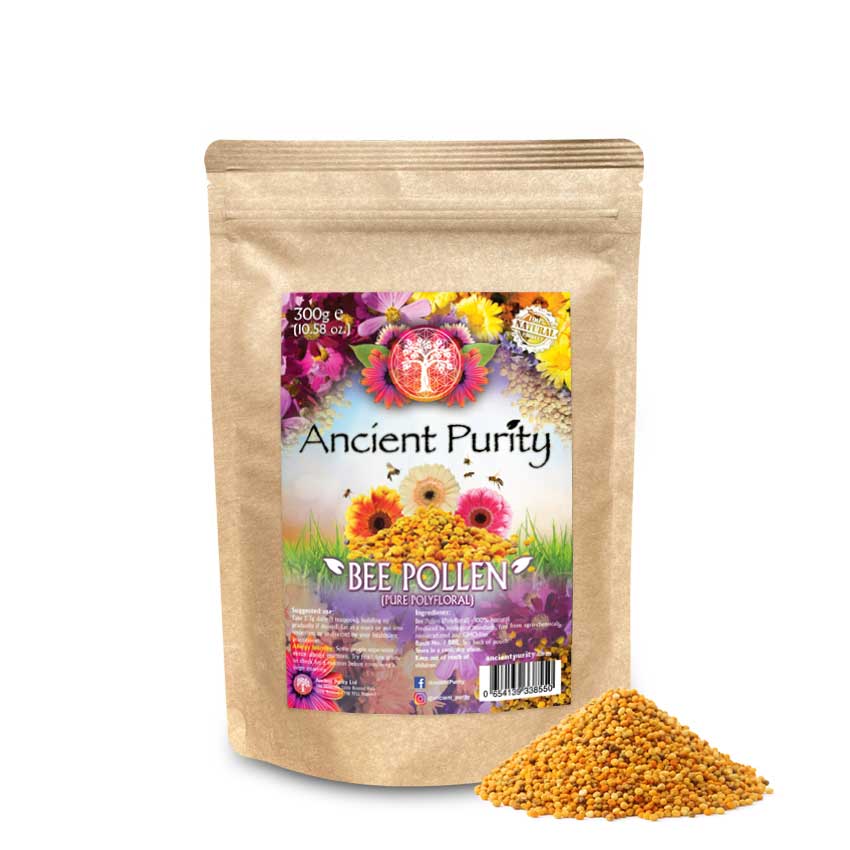
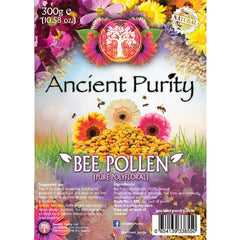
Ancient Purity Bee Pollen | Polyfloral - Nature’s Most Complete Super Food | From England
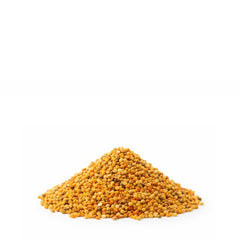
Bee Pollen is one of the most nutrient dense substances found in nature. It contains proteins, essential amino acids, healthy fats, carbohydrates, enzymes, vitamins and minerals in a form the body recognises as food. Traditionally used to support energy, immunity and recovery, Bee Pollen feeds the body at a foundational level rather than targeting a single pathway. Many people notice improved vitality, resilience and overall wellbeing when used consistently. Bee Pollen has been valued for thousands of years. Hippocrates, regarded as the father of modern medicine, used Bee Pollen as a healing food over 2,500 years ago.
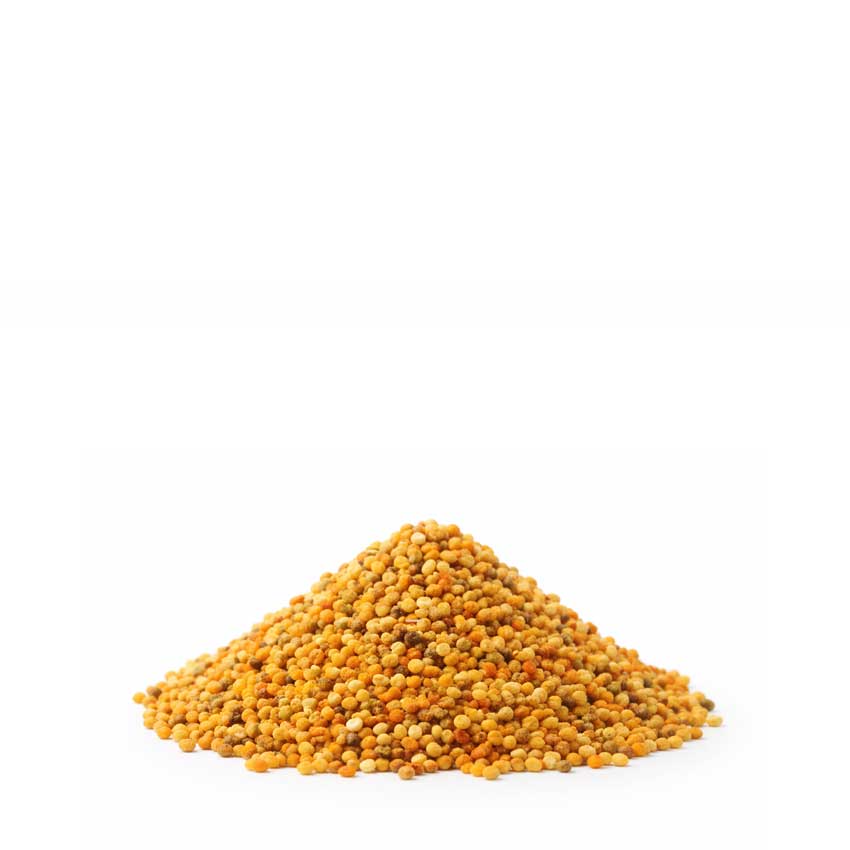
Ancient Purity Bee Pollen is harvested raw and fresh from English meadows free from pesticides, chemicals and industrial pollution. The bees forage from diverse wildflowers, resulting in a rich and varied nutrient profile that reflects the health of the land itself. We sampled extensively before selecting this source, prioritising colony health, environmental respect and traditional beekeeping knowledge over volume or convenience. While trends come and go, Bee Pollen remains a cornerstone at Ancient Purity because it works. It is easy to use, delicious, and deeply nourishing whether sprinkled over food, added to smoothies or eaten by the spoonful.
Bee Pollen is a Superfood, looking into it is truly amazing, it's 30% Digestible carbohydrates, 26% sugars (mainly fructose and glucose) 23% protein (including 10% of essential amino acids) 5% lipids (including essential fatty acids) 2% phenolic compounds (including flavonoids) 1.6% minerals (calcium, phosphorus, magnesium, sodium, potassium, iron, copper, zinc, manganese, silicon, selenium) 0.6% water-soluble vitamins and acids (including Vitamins B1, B2, B6 and Vitamin C) 0.1% fat-soluble vitamins (including vitamins A, E and D). Then there is antioxidants, including lycopene, selenium, beta carotene, vitamin C, vitamin E, and several flavonoids.So trace the journey of your Bee Pollen from the flourishing English fields to your hands, knowing you're investing in a product of integrity, with powerful benefits.
Q: What's the history of Bee Pollen use?
A: The early Egyptian and Chinese civilisations both used it as a physical rejuvenator and medicine. The Greek physician Hippocrates, recognised as the father of modern medicine, used Bee Pollen as a healing substance over 2,500 years ago. Today natural health practitioners often refer to Bee Pollen as an herbal fountain of youth. It may be nature's most perfect food.
Q: What are some of the benefits to it?
A: Bee Pollen contains numerous antioxidants, vitamins and minerals, making it extremely healthy. Scientific studies have connected Bee Pollen and its ingredients to health benefits such as anti-ageing, decreased inflammation, enhanced immunity, wound healing and menopausal symptoms.
Q: How is the Bee Pollen collected?
A: The pollen collects on the legs of honeybees as they move from flower to flower looking for nectar. The bees secrete nectar and special enzymes into the flower pollen to create what we know as bee pollen. The pollen is usually collected by placing a special device at the entrance of beehives that brushes it from the hind legs of the bees into a collection vessel. No harm is caused to the Bees at all. (See the video of the collection of Bee Pollen)
Q: How long is it since the Bee Pollen was harvested, and is it freeze-dried?
A: The pollen is essentially harvested-to-order and will never be two months on from that process (Rarely even close to two months). It is not freeze-dried at any point.
Q: Can people who are allergic to bees and bee stings take bee pollen and other bee products?
A: The allergy is to the venom, not to the bee or its pollen, so most people will be fine. Only 0.1% of the population will have a problem taking bee products, but the vast majority won’t. However, as with any new supplement, especially if you are known to have sensitivities, begin taking it gradually, and make sure that you are not having any adverse reactions. If your reactions are known to be severe or life-threatening it is advisable to check with your physician prior to beginning on such a supplement.
Q: Can Bee Pollen be taken during pregnancy?
A: It is not fully clear yet whether Bee Pollen will be bad for an unborn baby. However, there has been some concern that Bee Pollen might stimulate uterine contractions. Stay on the safe side and do not use Bee Pollen if you are pregnant and don’t consume it if you are breast-feeding a baby.
Q: Can Bee Pollen be taken with allergies?
A: This is dependent on the person and the type of allergies. Those people who have pollen sensitivities and do not tolerate inhaled pollens may be able to take our pollen because it is swallowed rather than breathed in. Others may be sensitive and develop a slight rash generally on the arms and at other times stomach upsets. These reactions are rare and pollen is normally very well tolerated but it is recommended that people with known allergies to pollen proceed with caution and take a reduced dose.
Q: Can Bee Pollen be taken with other medication and vitamin supplements?
A: Yes, there are no contraindications with other medications or vitamin supplements including medications for high blood pressure, diabetes, epilepsy, hormone replacements, bronchodilators etc. If the person wishes to continue with their vitamin mineral supplement they can do so but may find after a period of time on both the Bee Pollen will provide all the nutrition necessary and they can drop the additional vitamins. Those women taking additional calcium may wish to continue with that supplement.
Q: Can an asthmatic take Bee Pollen?
A: Yes in general, our Bee Pollen is ingested as opposed to inhaled and generally doesn't create a problem with asthmatics. In some very infrequent instances the Pollen will induce mild asthmatic symptoms if the trigger factors for asthma include pollens. It is suggested that the person concerned starting on Bee Pollen capsules start with just a small pinch a day over a week to assess if suitable and watch for a tight chest and wheezing in that week then increase to normal dose of two capsules a day when ready.
Q: Can a diabetic take Bee Pollen?
A: Yes, there are no sugars or carbohydrates in our Bee Pollen that will affect a diabetic.
Q: Does Bee Pollen cause acne?
A: It is unlikely but certainly possible. The thing you have to remember is that everyone responds to nutrients very differently and this may be your initial response. However we have never seen or heard of anyone taking pollen and having this happen. If it happens stop taking it for a week or until the pimple goes away. Once your skin is perfectly clear again, resume taking the Bee Pollen. If it reoccurs, then you've got your answer!
WARNING: Those allergic to it shouldn’t use Bee Pollen. Ask your doctor or healthcare practitioner if it is OK for you using Bee Pollen if you have certain allergies (Especially to bee stings or other bee products). It is not clear yet whether Bee Pollen will be bad for an unborn baby. However, there has been some concern that Bee Pollen might stimulate uterine contractions. Do not use Bee Pollen if you are pregnant and don’t consume it if you are breastfeeding a baby.
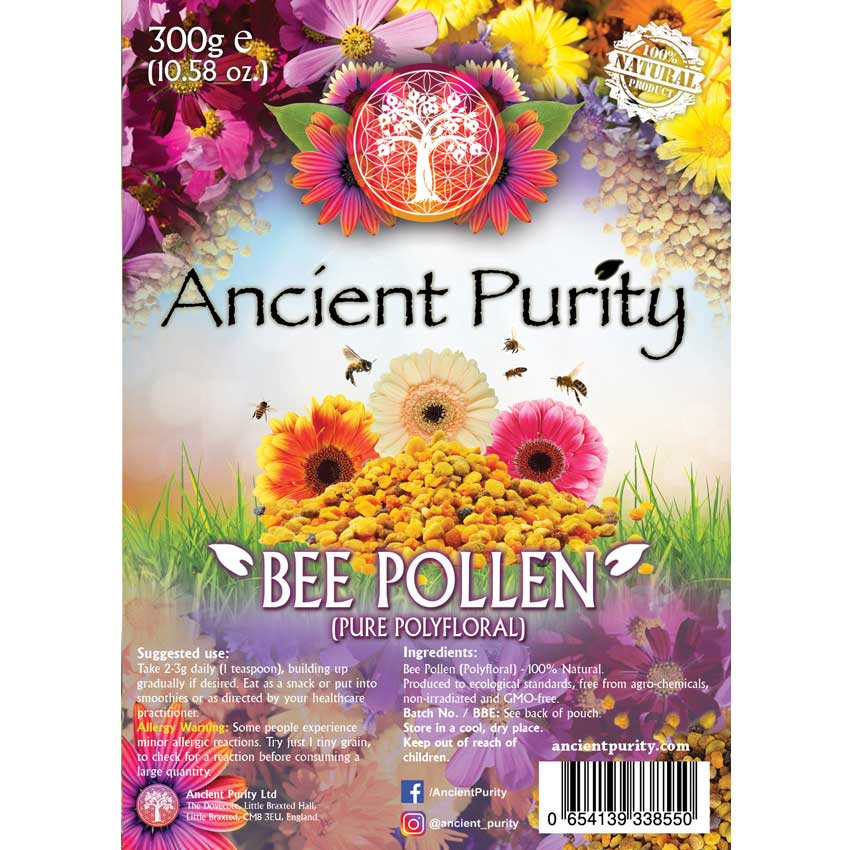
Produced to ecological standards, free from agro-chemicals, non-irradiated and GMO-free.
Thanks for subscribing!
This email has been registered!